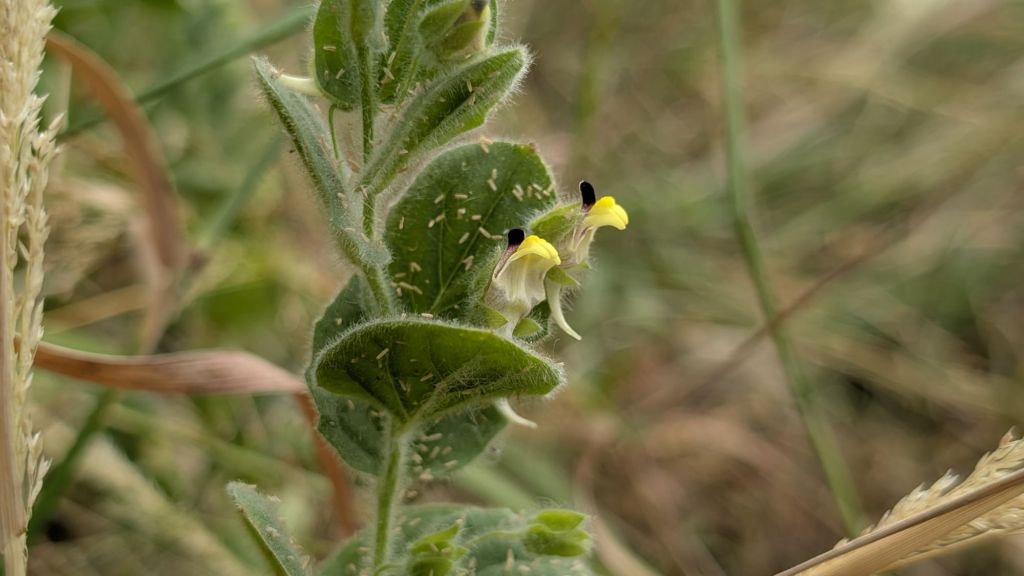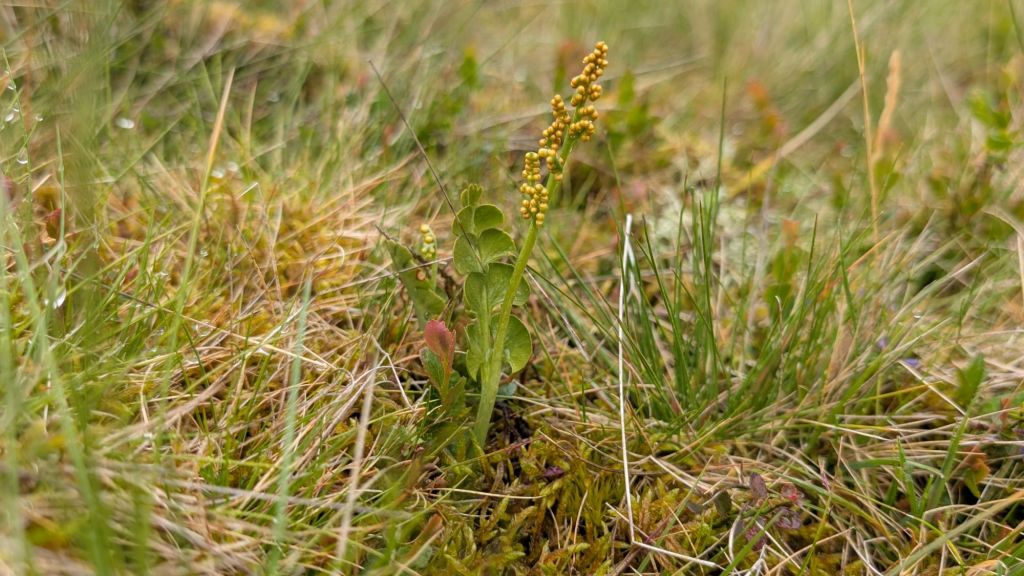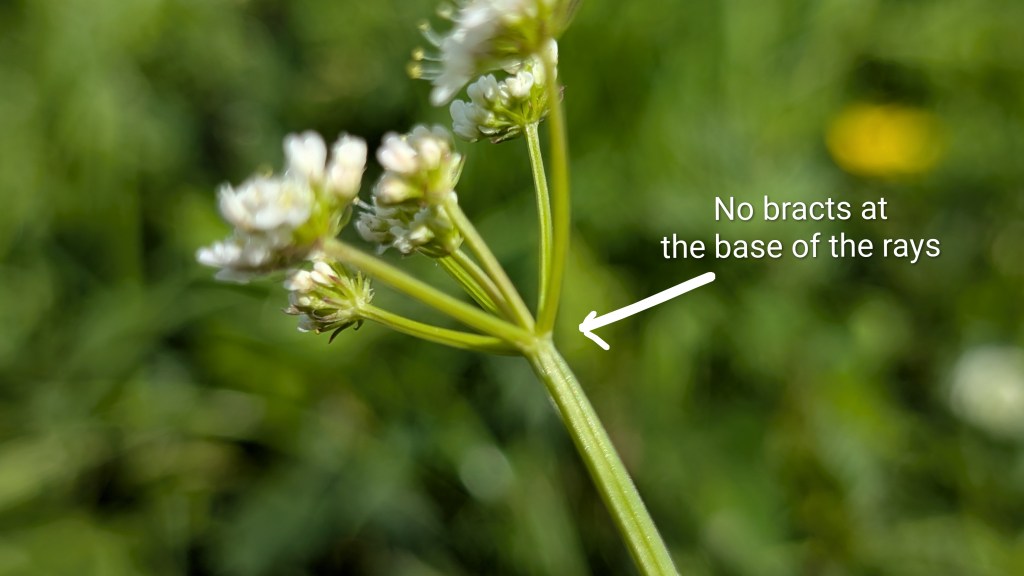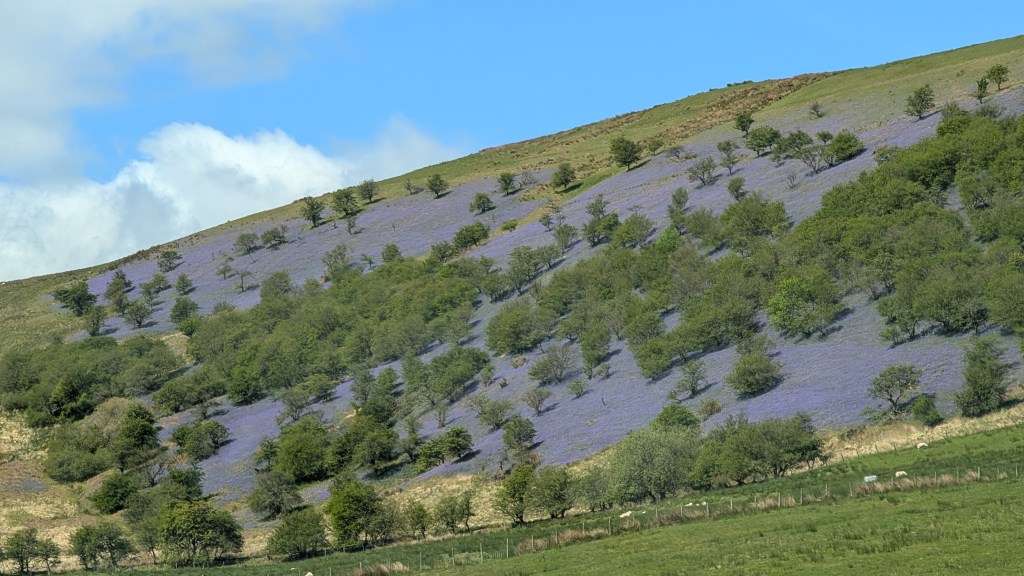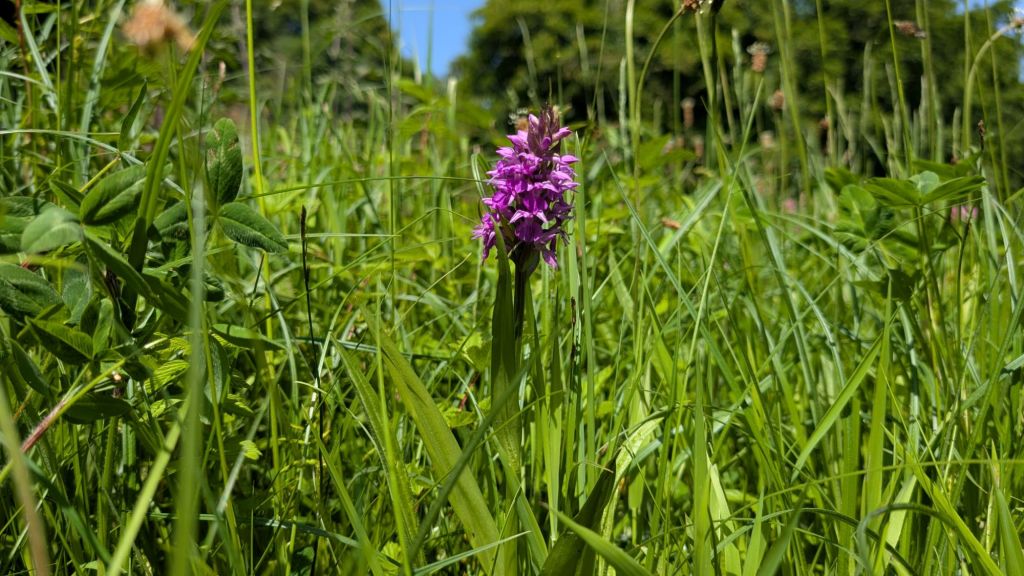
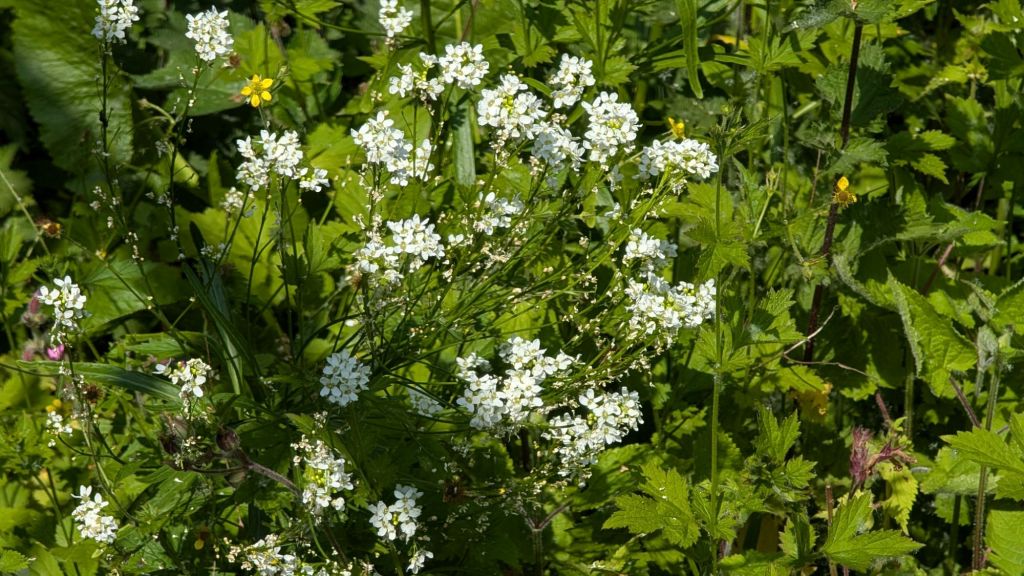
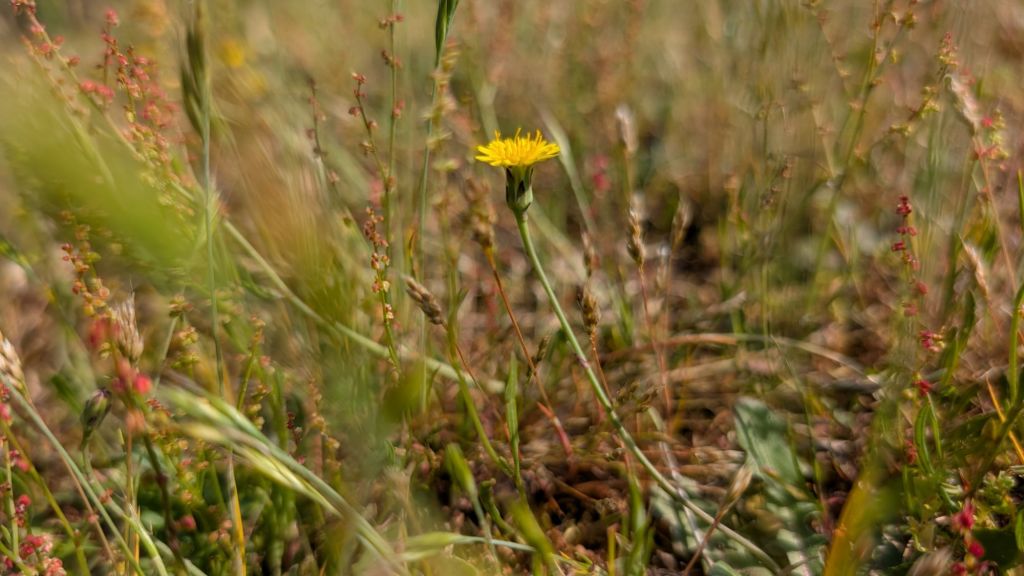
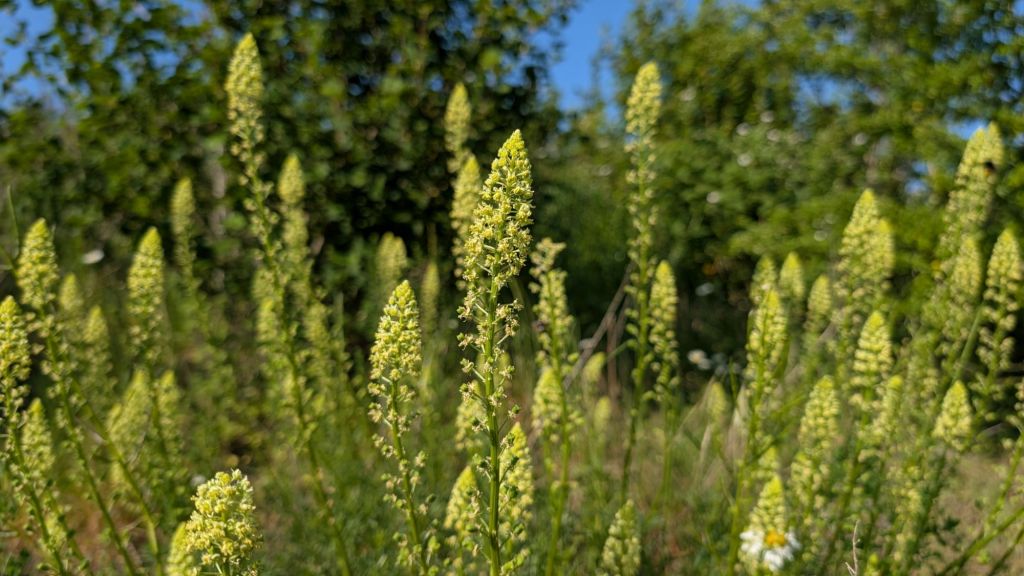
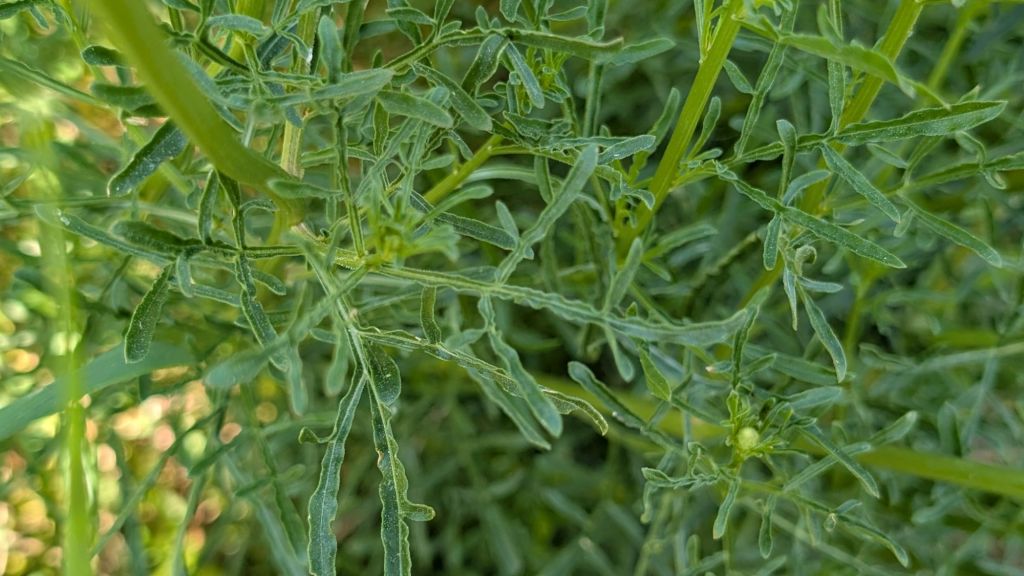
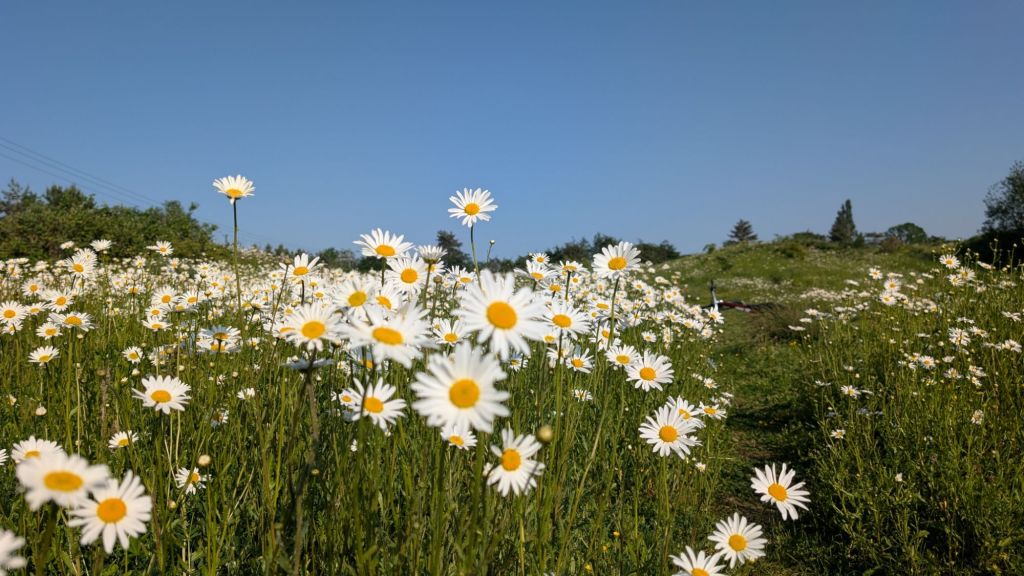
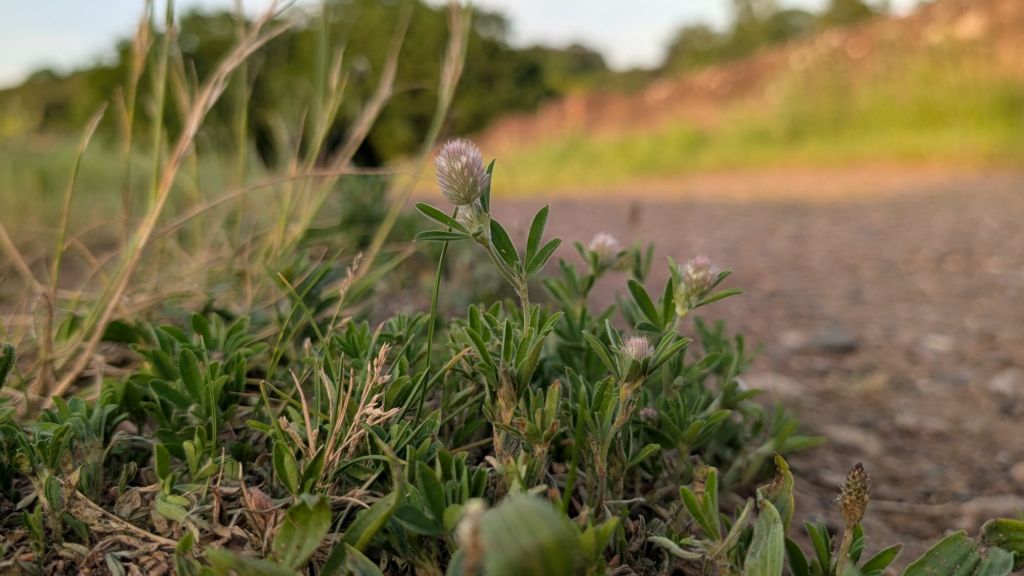
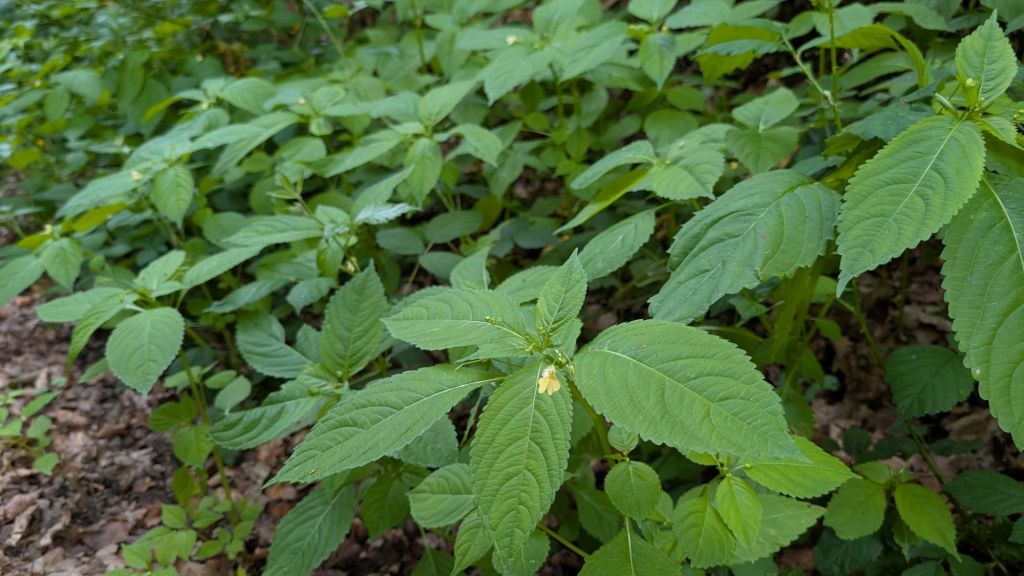
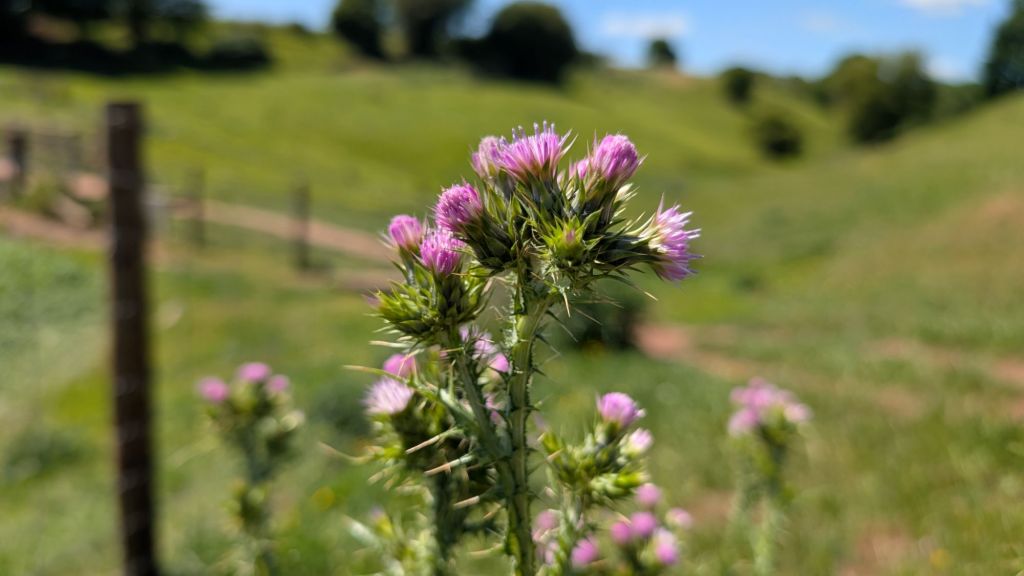
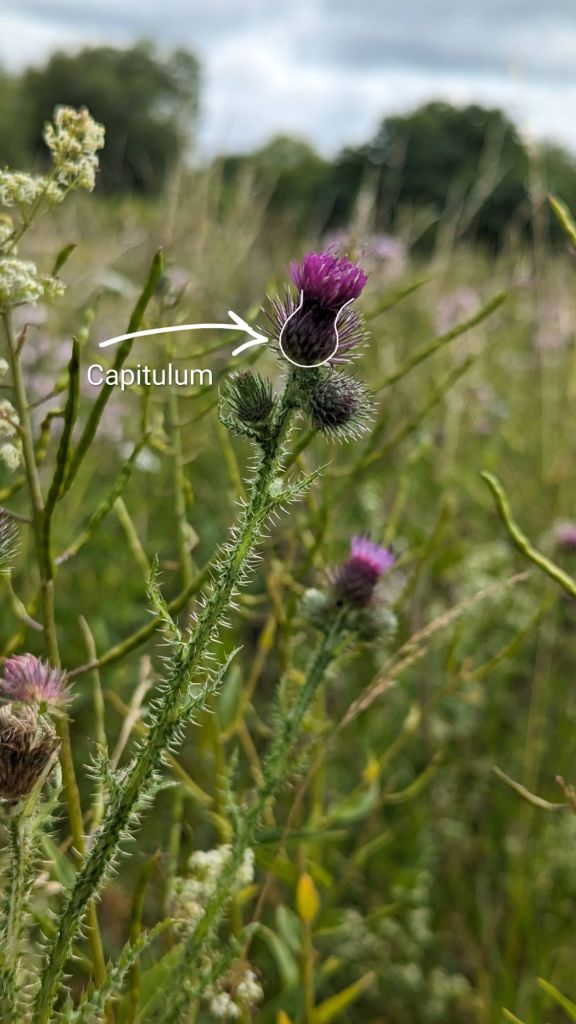
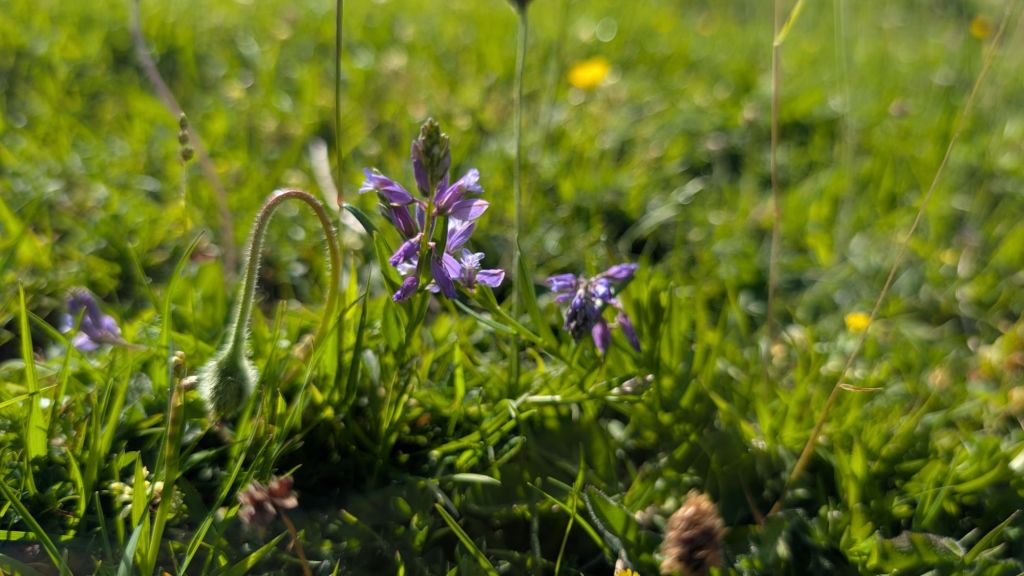
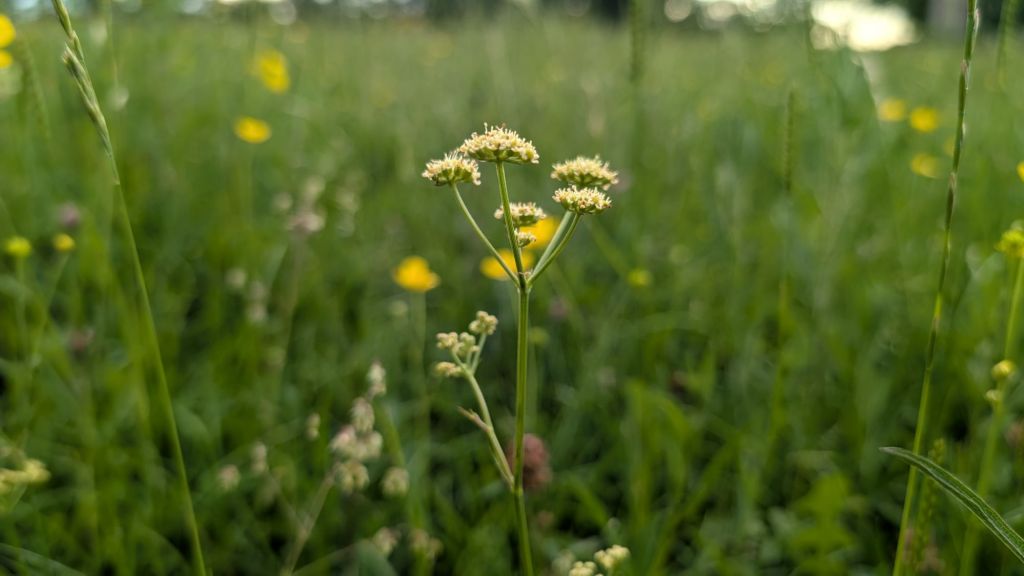
1. A single spike of Southern Marsh-orchidDactylorhiza praetermissa in damp grassland, along the towpath of the Staffordshire and Worcestershire Canal, near the Oldington No. 10 bridge. 25.05.262. DittanderLepidium latifolium along the banks of the River Salwarpe at Droitwich Community Woods. 26.05.26.3. Smooth Cat’s-earHypochaeris glabra in the lowland dry acid grassland (U1 Fescue-Agrostis-Rumex grassland) on Hartlebury Common. 27.05.26.4.Wild Mignonette Reseda lutea at Burlish Meadows, Worcestershire. Wild Mignonette has divided leaves, whereas the similar Weld Reseda luteola has linear, undivided leaves. 27.05.26.Divided leaves of Wild Mignonette Reseda lutea5. Ox-eye DaisyLeucanthemum vulgare never fails to lighten the heart. Seen here dominating the early successional grassland at Burlish Meadows, Worcestershire. 27.05.26.6. Hare’s-foot CloverTrifolium arvense growing in the gravely trackway on the sandstone viaduct over Wilden Marsh. Old Leapgate Railway. 28.05.26.7. Small balsamImpatiens parviflora forms small stands in shaded places along the Old Leapgate Railway and in the oak woods of Burlish Top. Introduced. 28.05.26.8. Slender ThistleCarduus tenuiflorus. Note the shape of the cylindrical/oblong flower heads, and the spines right up to the flowers – this helps split this species off from Welted Thistle Carduus crispus. ‘The Finney’ near Harvington, Worcestershire. 29.05.26.Welted ThistleCarduus crispus for comparison. See the globose/ bell-shaped outline of the capitulum (flower head). Clun, 2024.9. Common Milkwort Polygala vulgaris has alternate leaves the whole way down to the base of the stems. ‘The Finney’, Harvington, Worcestershire. 29.05.26.10. Pepper-saxifrageSilaum silaus is one of the few yellow-flowered Apiaceae. I’m always happy to come across this species, as it’s often in lovely species-rich meadows; this plant being found at Eades Meadow NNR. 29.05.26.
Leave a comment