Heath bedstraw & Sheep Sorrel – Bladder Campion – Grey Hair-grass – Dyer’s Greenweed – Great Burnet at Upton Ham – Brown Sedge lawns – Common Meadow-rue – Water Purslane – Heath-grass – Dactylorhiza – Pushing Daisies – Tower Mustard on the verge – Creeping Forget-me-not – Common Yellow-sedge – Heath Rush – Ivy-leaved Crowfoot – Moonwort
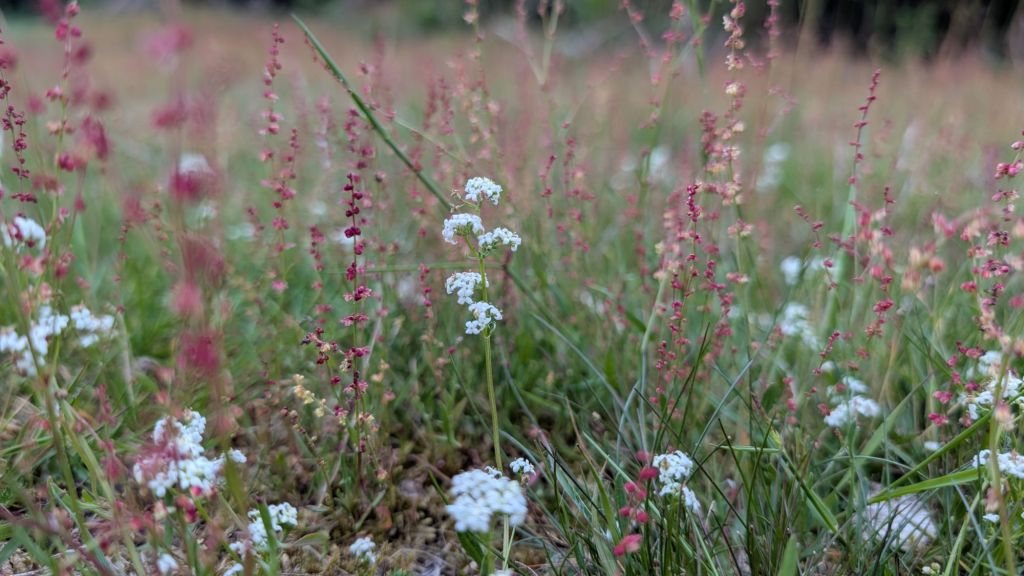
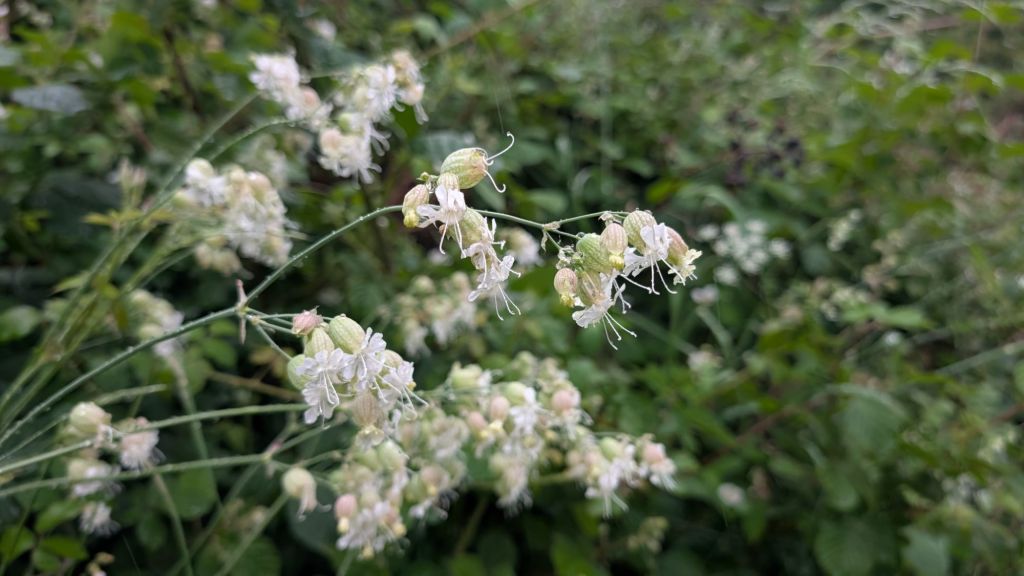
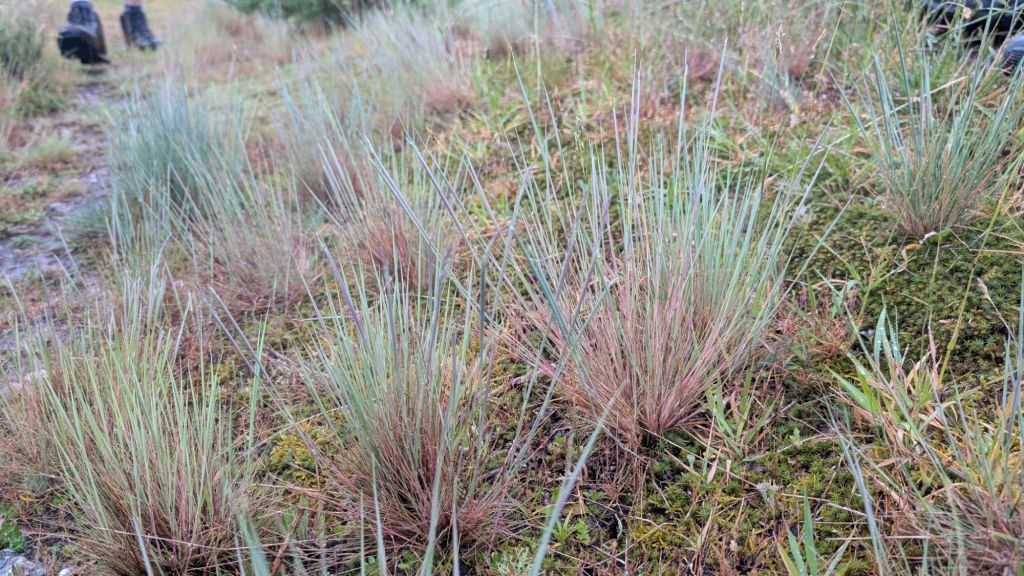
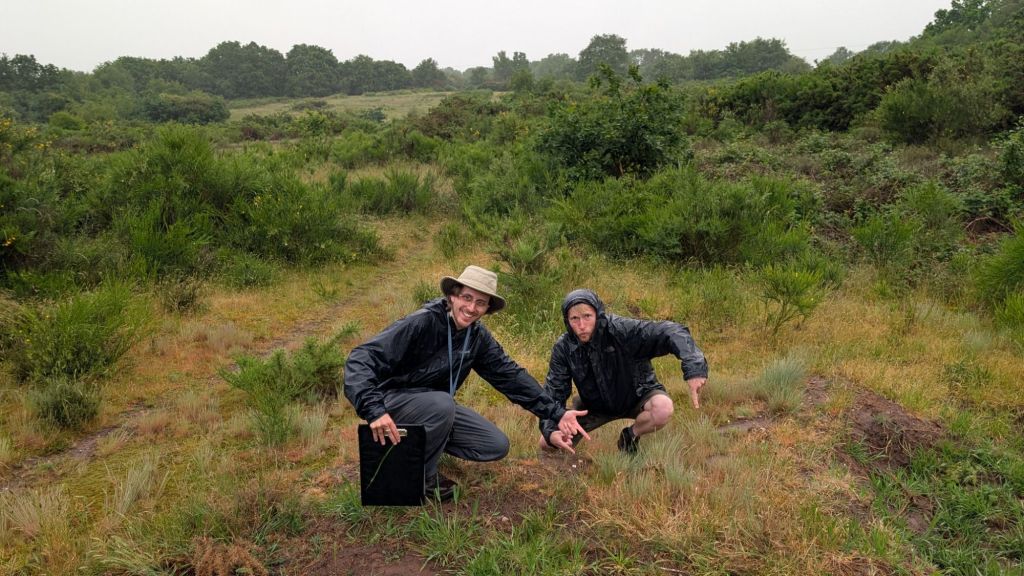
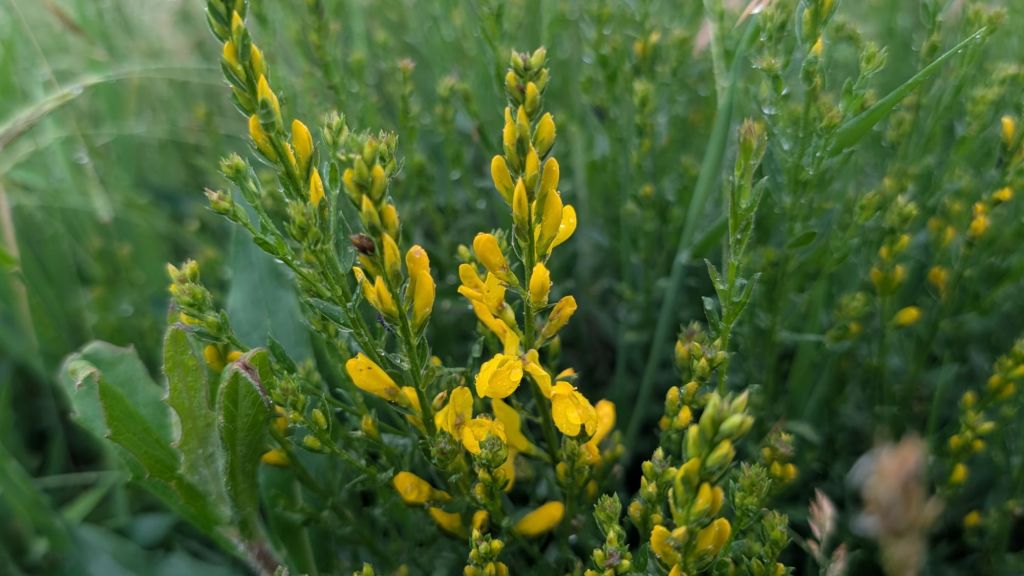
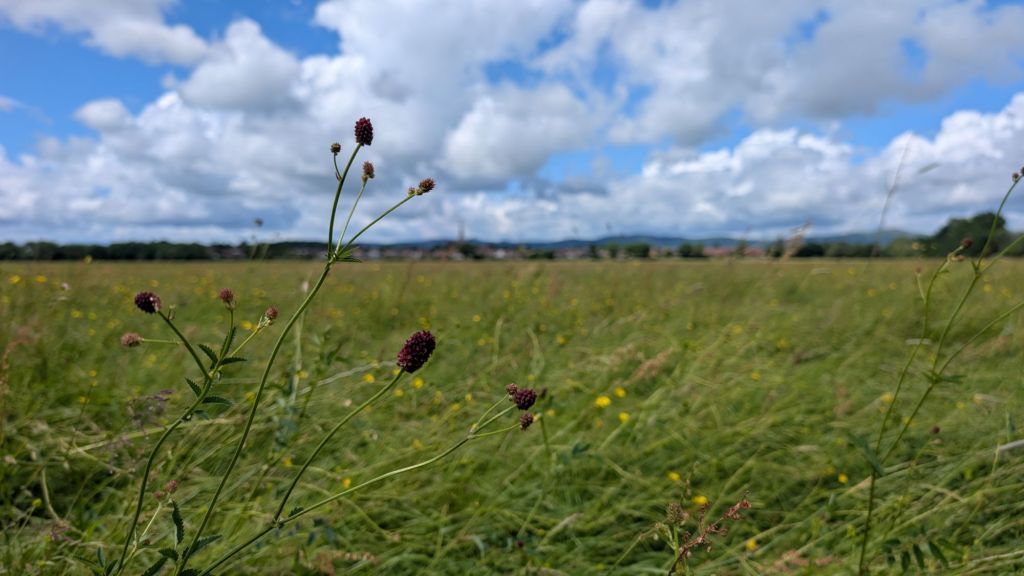
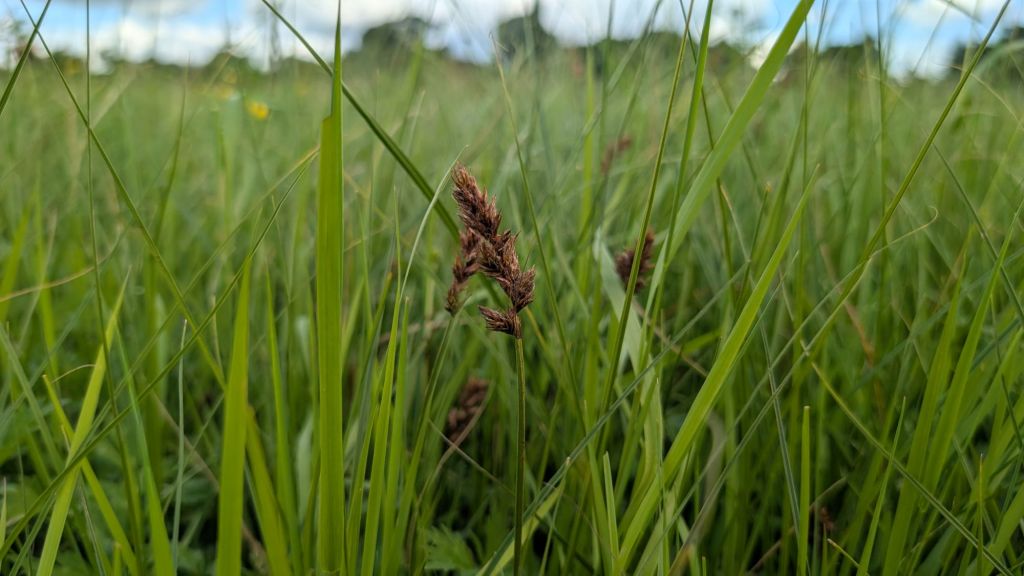
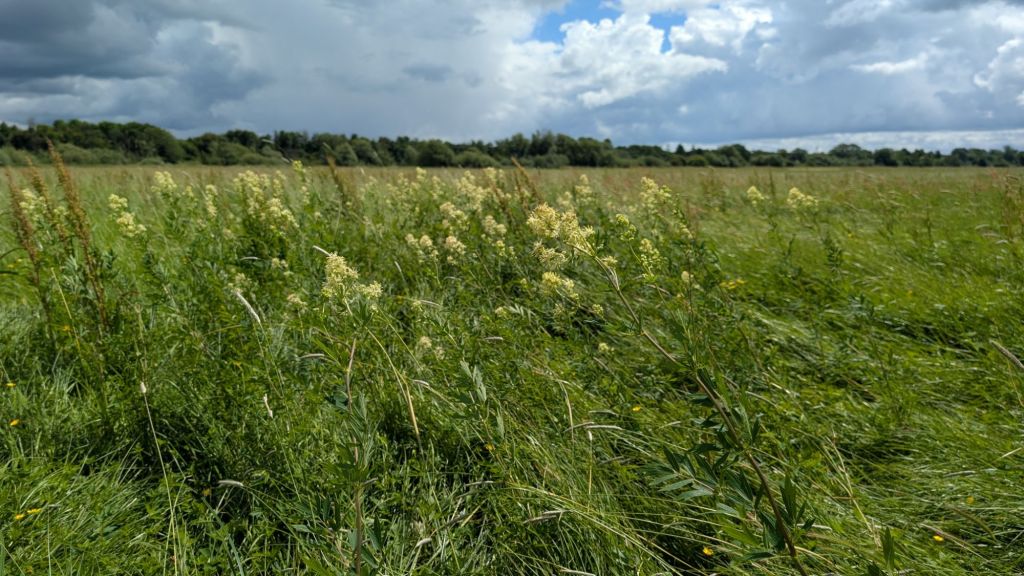
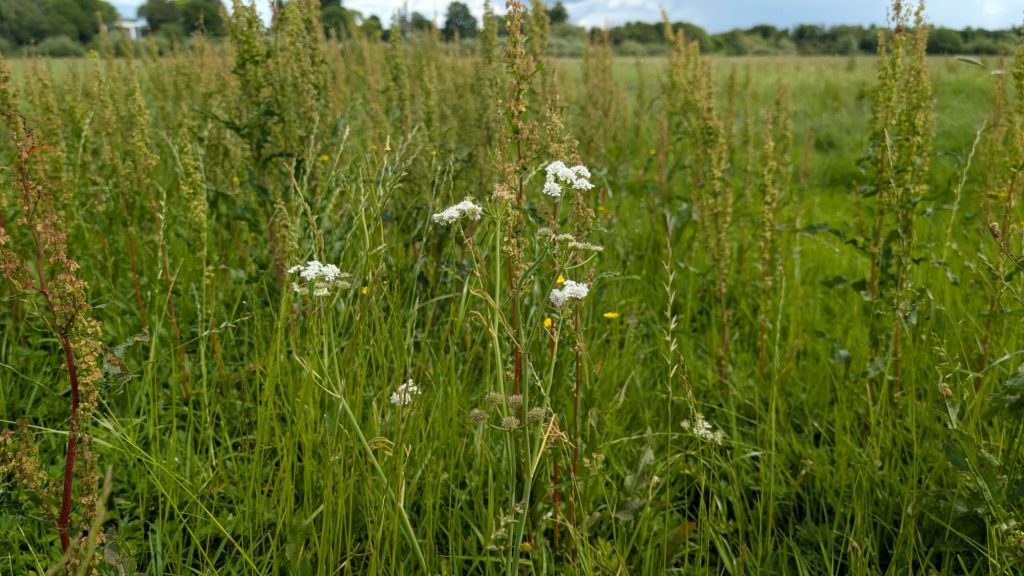
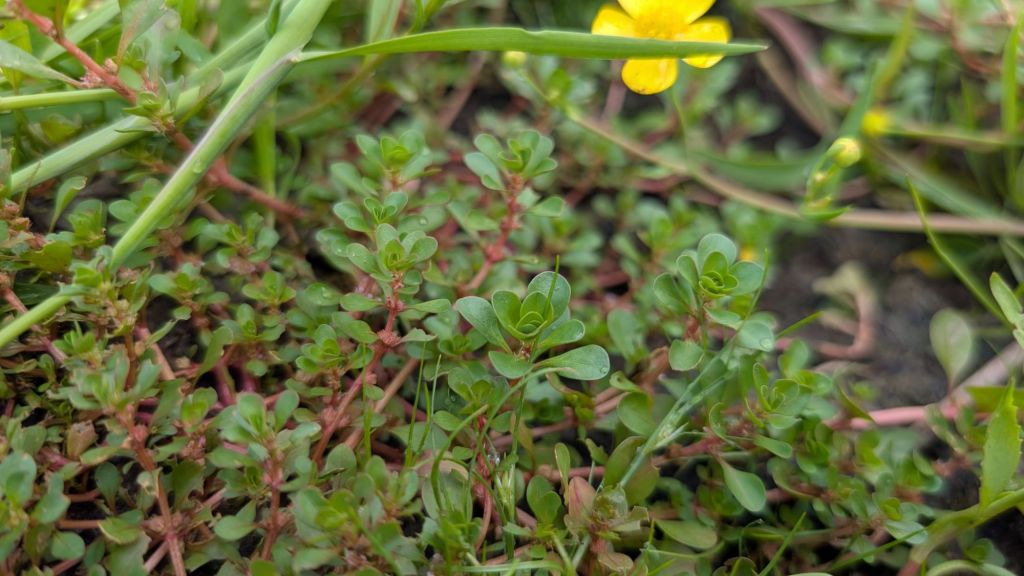
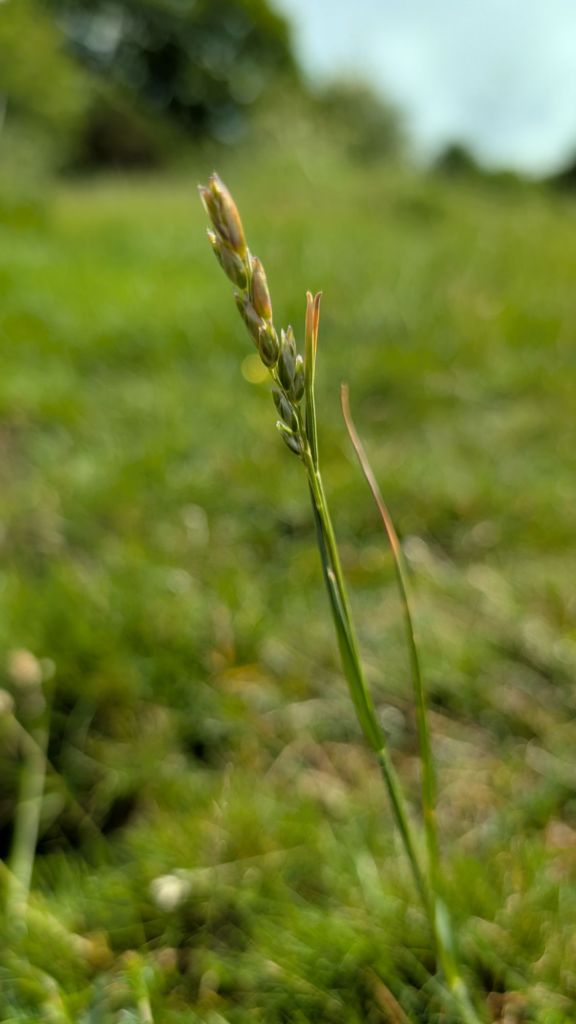
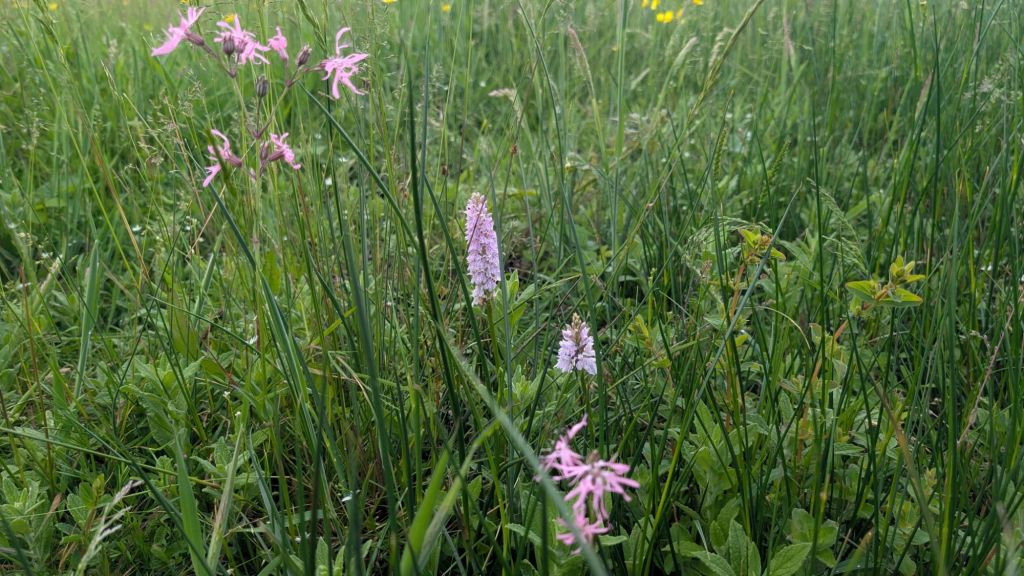
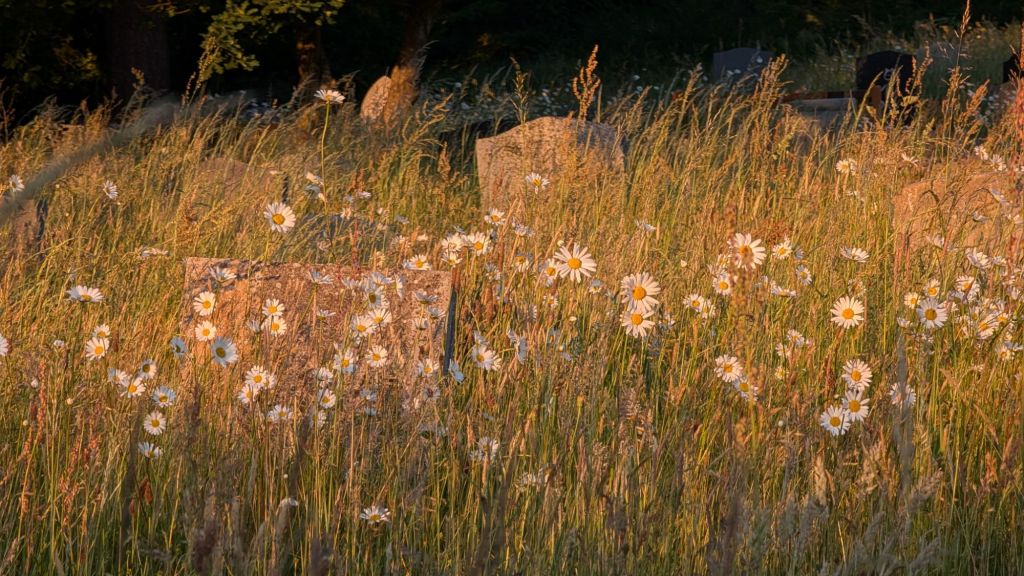
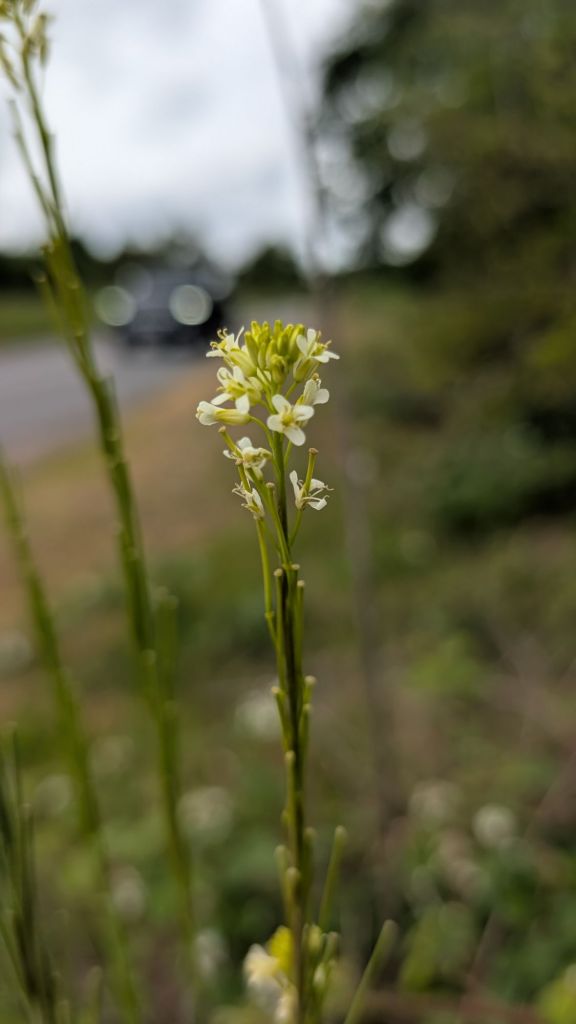
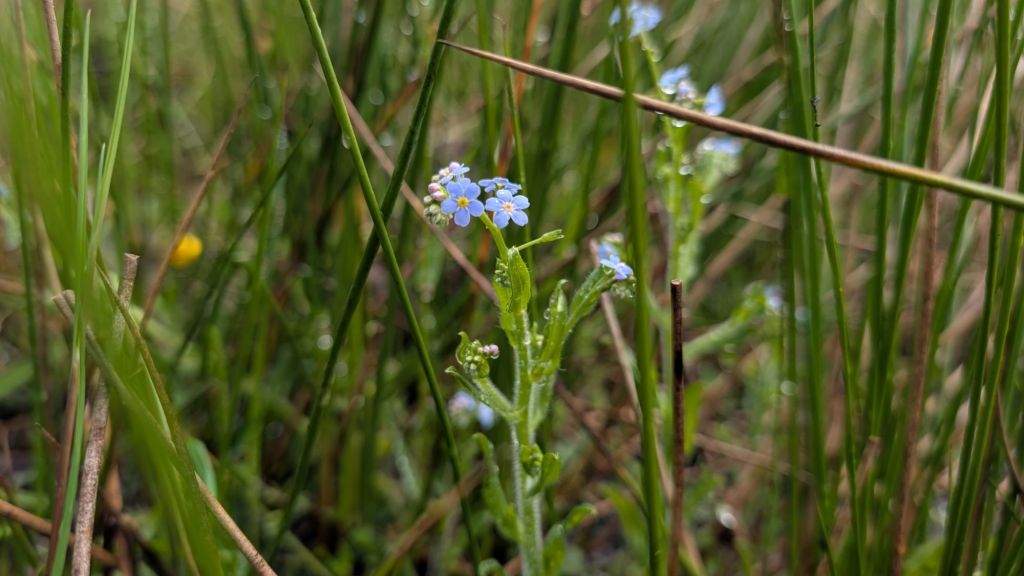
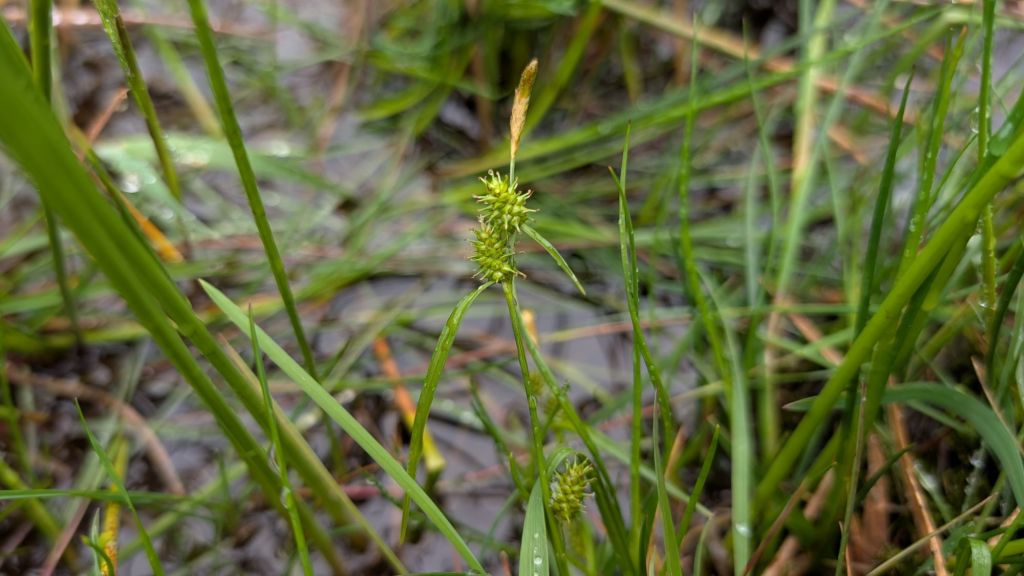
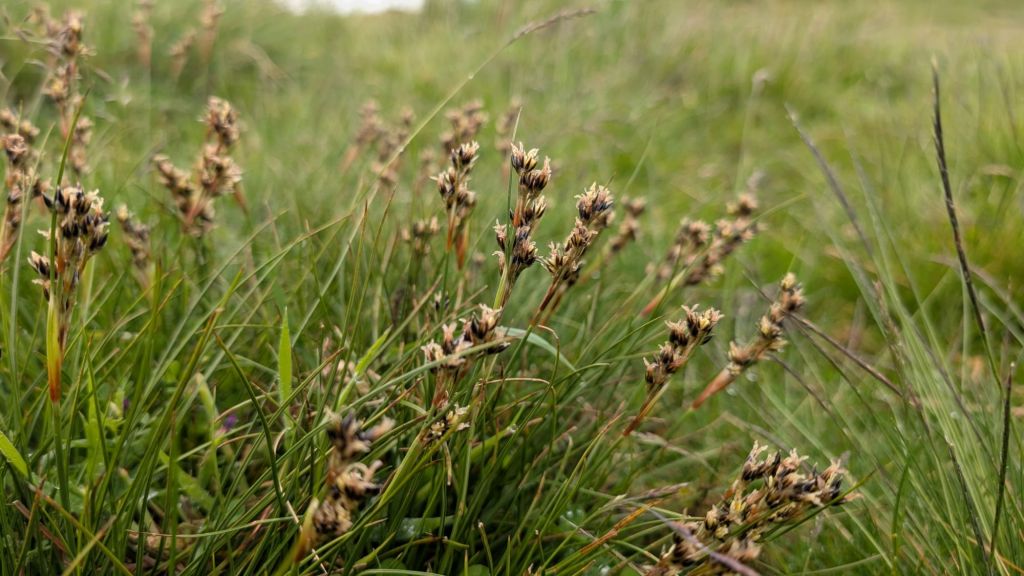
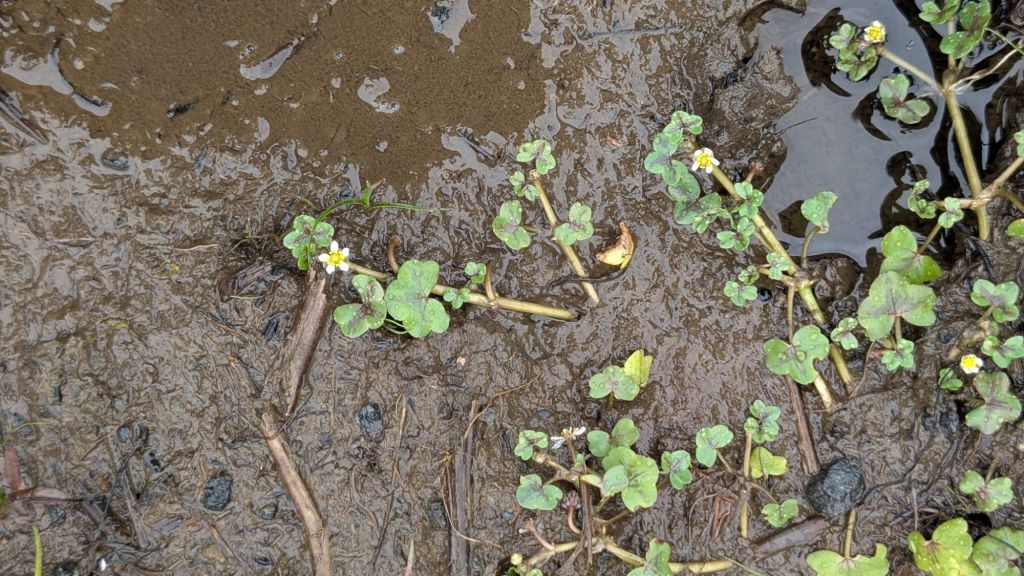
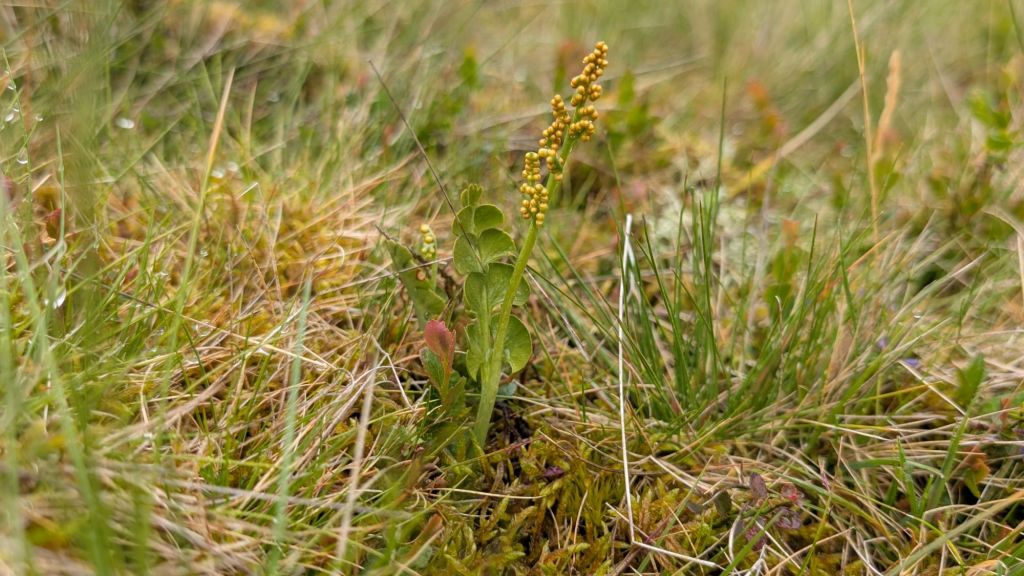
1. Acid associates: Heath bedstrawGalium saxatile amongst the Sheep SorrelRumex acetosella. Lowland dry acid grassland, Hartlebury Common. 01.06.262. Bladder CampionSilene vulgaris reaching out of a bramble thicket. Burlish Top, Worcestershire. 01.06.26.3. Grey Hair-grassCorynephorus canescens habitat on disturbed patches of sandy soil where Gorse had been cleared. Burlish Top, Worcestershire. 01.06.26.Tom & Scott – Two happy and very soggy botanists and the Grey hair-grass in habitat. Burlish Top, Worcestershire. 01.06.26.4. Dyer’s GreenweedGenista tinctoria on the margins of the acid grassland and lowland heathland at Burlish Top, Worcestershire. 01.06.26.5. Great BurnetSanguisorba officinalis, a core constituent of floodplain meadow (g3a5/MG4) at Upton Ham SSSI. 02.06.266. Brown SedgeCarex disticha covers a fairly large area where the water levels fluctuate. Upton Ham, Worcestershire. 02.06.26.7. Common Meadow-rue Thalictrum flavum stand at Upton Ham. 02.06.26.8. Narrow-leaved Water-dropwortOenanthe silaifolia, Upton Ham SSSI. For more information, see this post. 02.06.269. Water PurslaneLythrum portula (Yes, it’s in flower) in a muddy puddle surrounded by acid grassland at Castlemorton Common. 02.06.26.10. The chunky spikelets of Heath-grassDanthonia decumbens, acid grassland at Castlemorton Common. 02.06.2611. Dactylorhiza and Ragged RobinSilene flos-cuculi in wet pasture at Castlemorton Common. 02.06.26.12. ‘Pushing Daisies’ Ox-eye DaisyLeucanthemum vulgare at sunset. All Saints Church, Wilden, Worcestershire. 02.06.26.13. Tower MustardTurritis glabra is a nationally scarce species whose red list status has recently been updated from ‘Endangered’ to ‘Near Threatened’ on the GB red list (Stroh et al., 2025). Although populations fluctuate, we’re lucky to have it growing along the road verges of Hartlebury Common and in a few other spots in Worcestershire. 04.06.26.14. Creeping Forget-me-notMyosotis secunda in a wet flush on the side of Titterstone Clee Hill, Shropshire. Spreading hairs on the lower stem. 06.06.2615. Common Yellow-sedgeCarex viridula subsp. odeocarpa, the ‘least fussy’ of the yellow sedges. In an acid flush on the side of Titterstone Clee Hill, Shropshire. 06.06.26.16. Heath RushJuncus squarrosus in upland fringe acid grassland. Titterstone Clee Hill, Shropshire. 06.06.26.17. Ivy-leaved CrowfootRanunculus hederaceus happy as a pig in s**t. Wet trackway on the floor of Titterstone Clee Quarry. 06.06.2618. A single spike of Moonwort Botrychium lunaria at Titterstone Clee Quarry. It’s fascinating that these special plants now occur on the floor of the old quarry, almost 100 years after it’s closing. 06.06.26.


 Tom the Botanist
Leave a comment