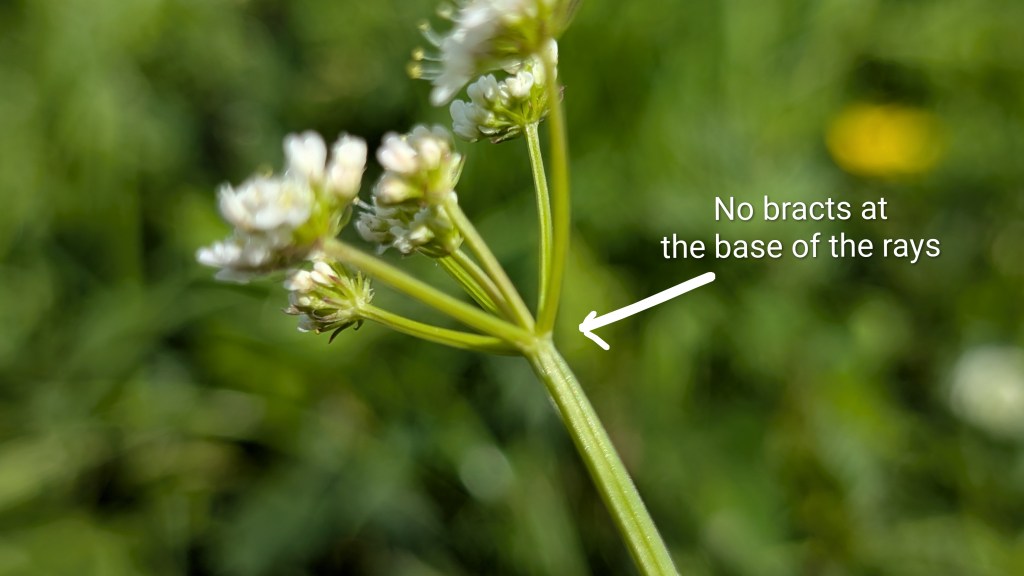
I was super excited to come across Narrow-leaved Water-dropwort Oenanthe silaifolia yesterday whilst doing a recce for our in-house floodplain meadow training at Upton Ham.
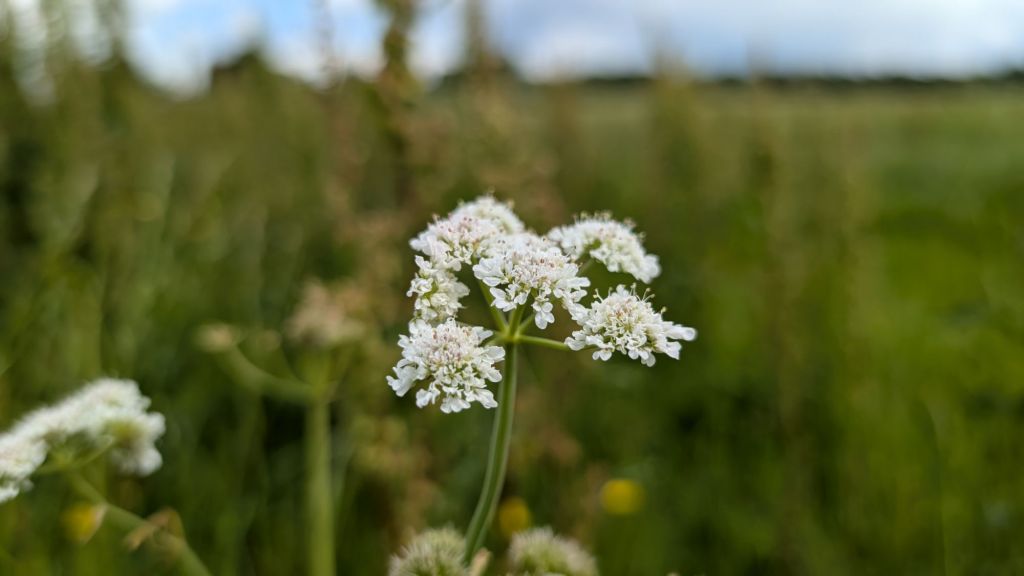
This species is nationally scarce, and we’re lucky to have a few good populations on the Worcestershire floodplains or ‘Hams’ along the River Severn. The Oenanthe genus can be scary, but Narrow-leaved Water-dropwort does what it says on the tin, and can be identified by checking for the following:
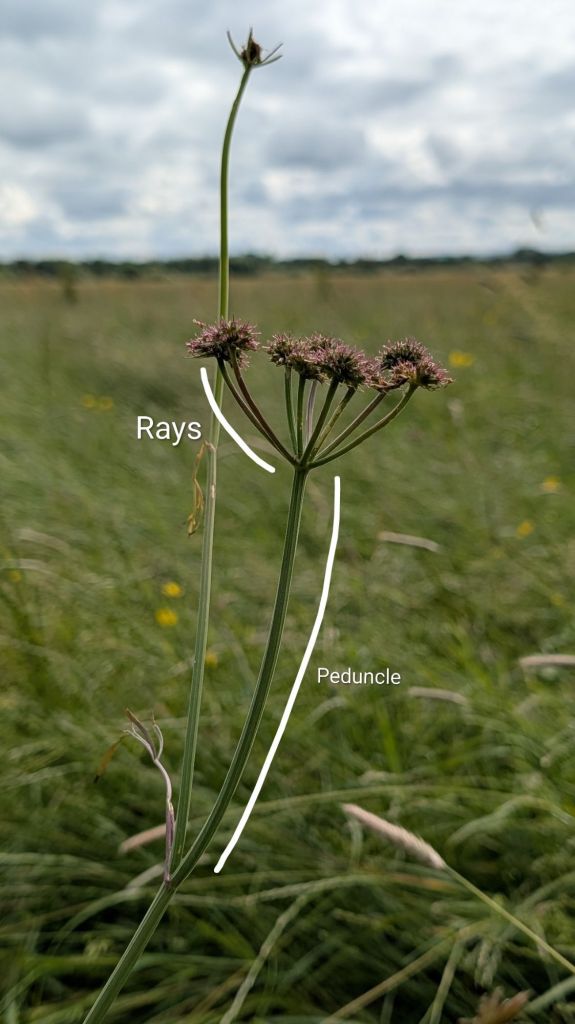
🌿 Are the peduncles longer than the rays? Yes. This step rules out O. aquatica and O. fluviatilis
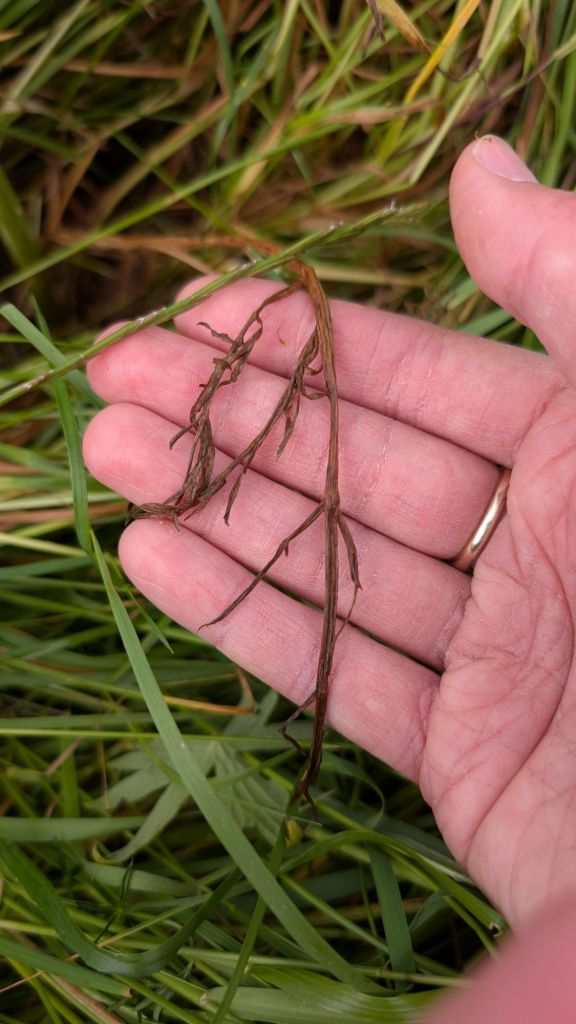
🌿 Leaves – are they all made up of linear leaflets? Yes. Be sure to rummage around the base, to be extra certain that the basal leaves are also linear. This rules out any broader leaved species such as O. crocata.
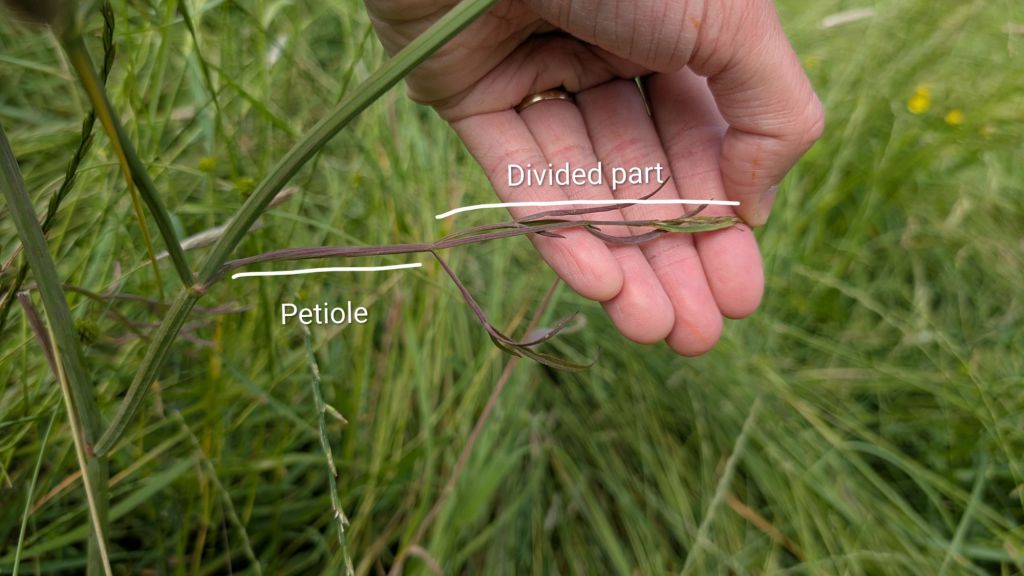
🌿 Leaflet / petiole ratio – is the divided part of the leaf longer than the petiole? Yes. This rules out O. fistulosa, whose petiole is longer than the divided part.
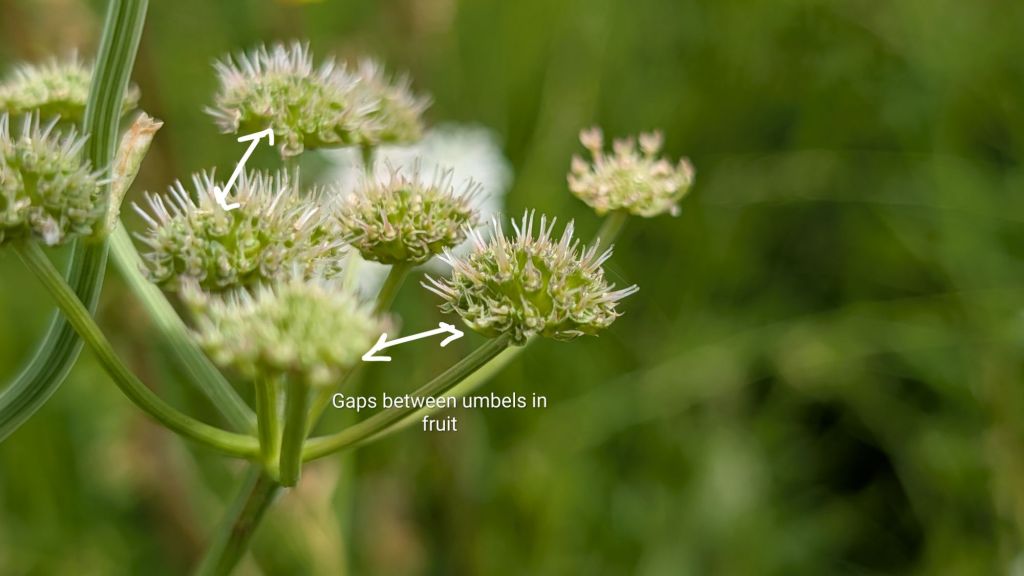
🌿 Are the umbels separate from each other in fruit – with gaps between each? Yes. This rules out O. pimpinelloides, whose heads are dense and flat-topped in fruit.
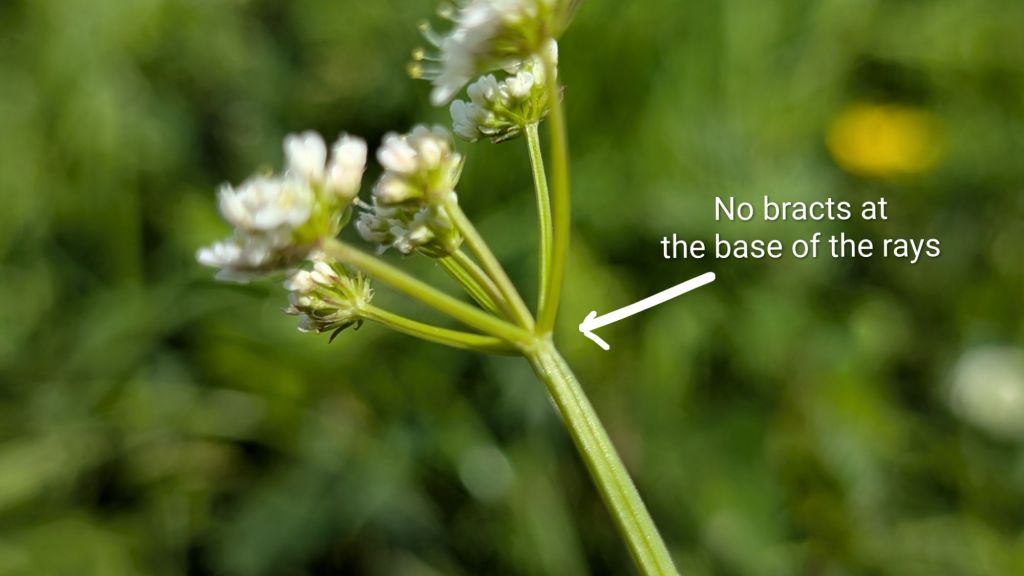
🌿 Bracts – are there 0-1 bracts? Yes. This distinction rules out O. lachenalii, which has several bracts and is most likely to be confused with O. silaifolia.
Kerching, you have found Narrow-leaved Water-dropwort Oenanthe silaifolia, please report to the LERC for your free lollipop!
#Botany #SpeciesIdentification #Worcestershire #Oenanthe


 Tom the Botanist
Leave a comment