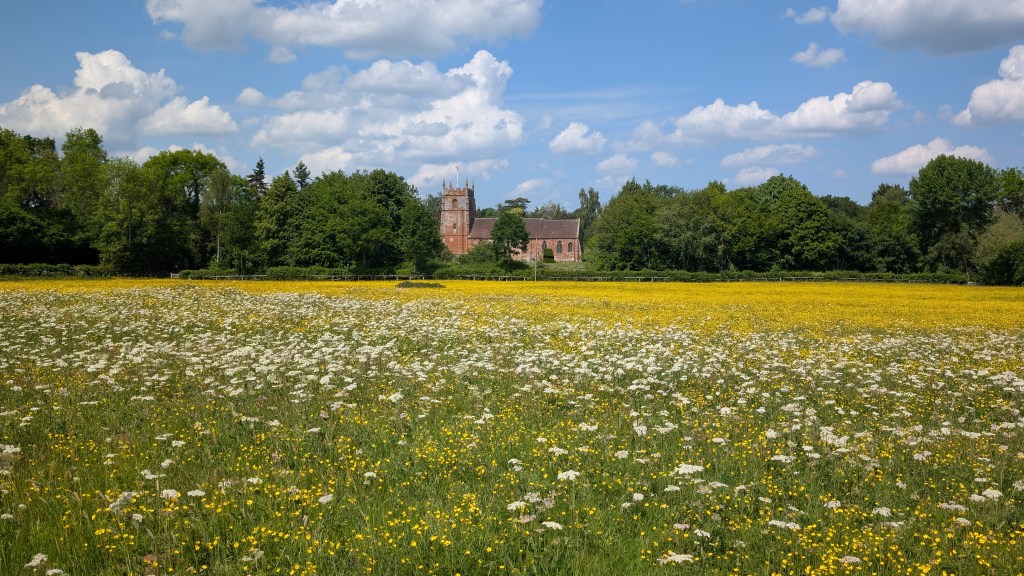
Introduction
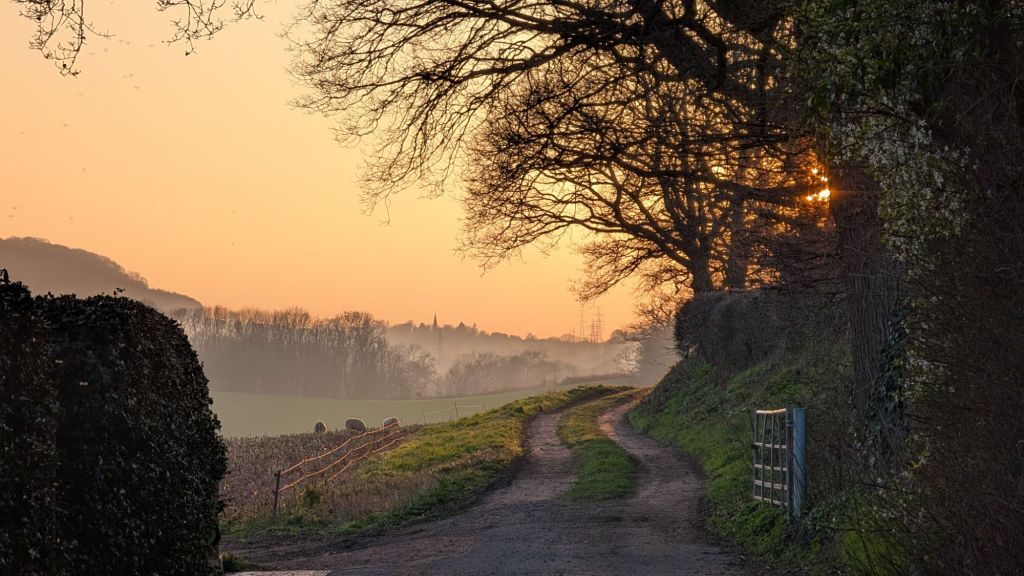
They reckon your brain works better after a walk in nature, and I agree. Every day I spend at the office, I go on a short walk. Hopehouse Farm to St. Peter’s Church via Hopehouse Lane.
This blog explores the botanical delights encountered during that walk, proving that all you need is one short walk a day to appreciate your local flora.
At the end of the blog, there is a list of all the species encountered, organised by month. Why not try ticking some off this spring?
The Route
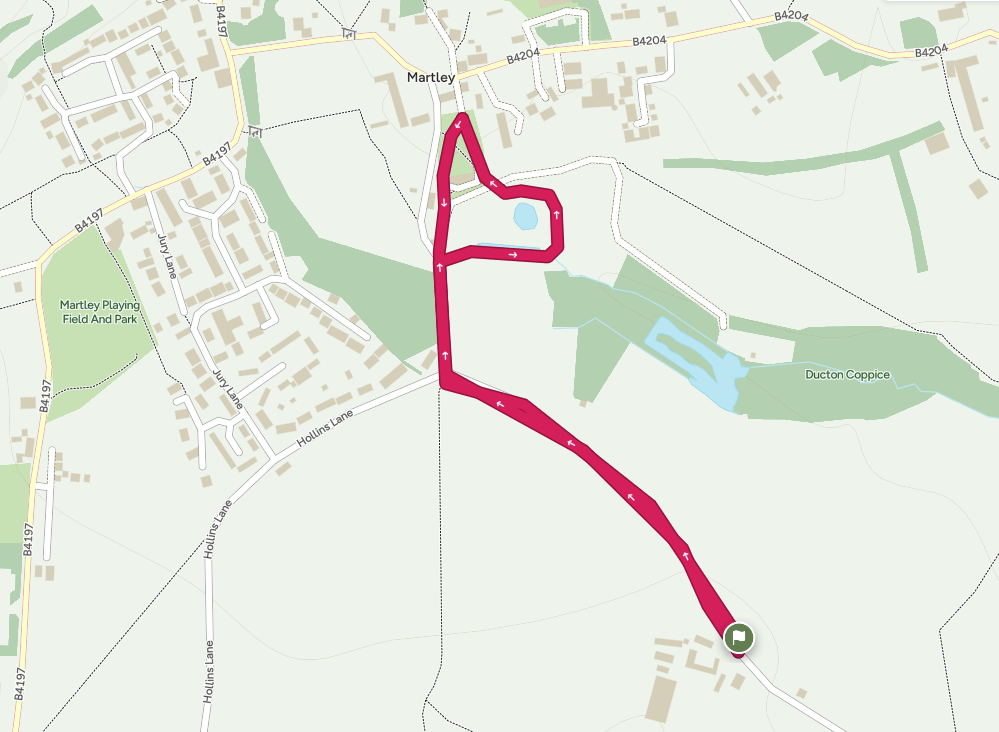
Observations
Whilst lanes might seem unremarkable in comparison with a species-rich grassland or upland flush, it’s often in the waysides, the remnants of countryside, that many of our native plants can be found. Here, they are poised and waiting for their moment to return to the wider landscape.
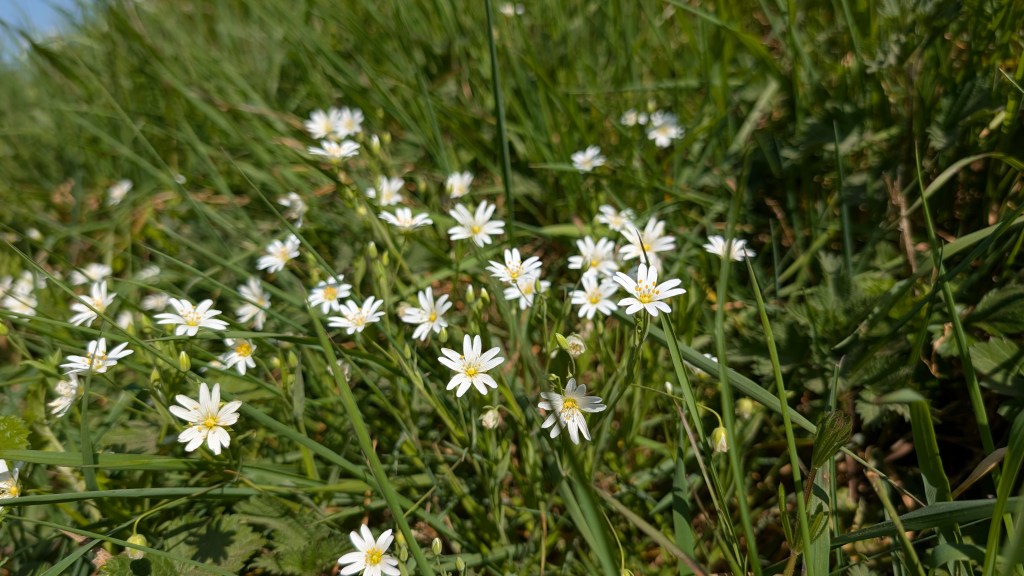
Along Hopehouse Lane, the bases of the hawthorn hedgerows are scattered with plants typically associated with ancient woodland, such as Greater Stitchwort Stellaria holostea and Dog’s Mercury Mercurialis perennis. These hedgerows represent a small snapshot of the woodlands that once would have been widespread in the area before being cleared in times gone by, or as Wordsworth put it…
“These hedgerows, hardly hedgerows, little lines of sportive wood run wild”
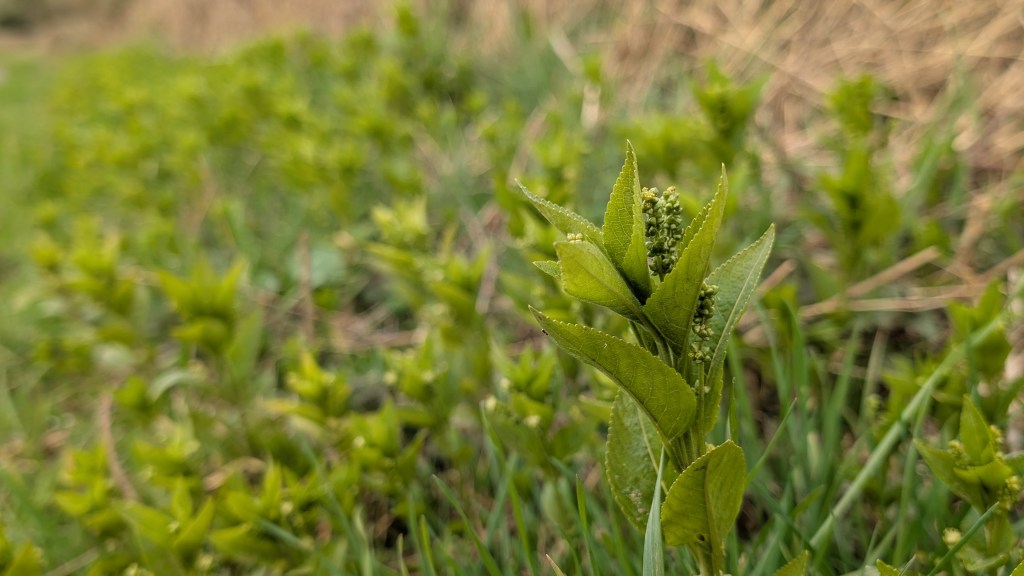
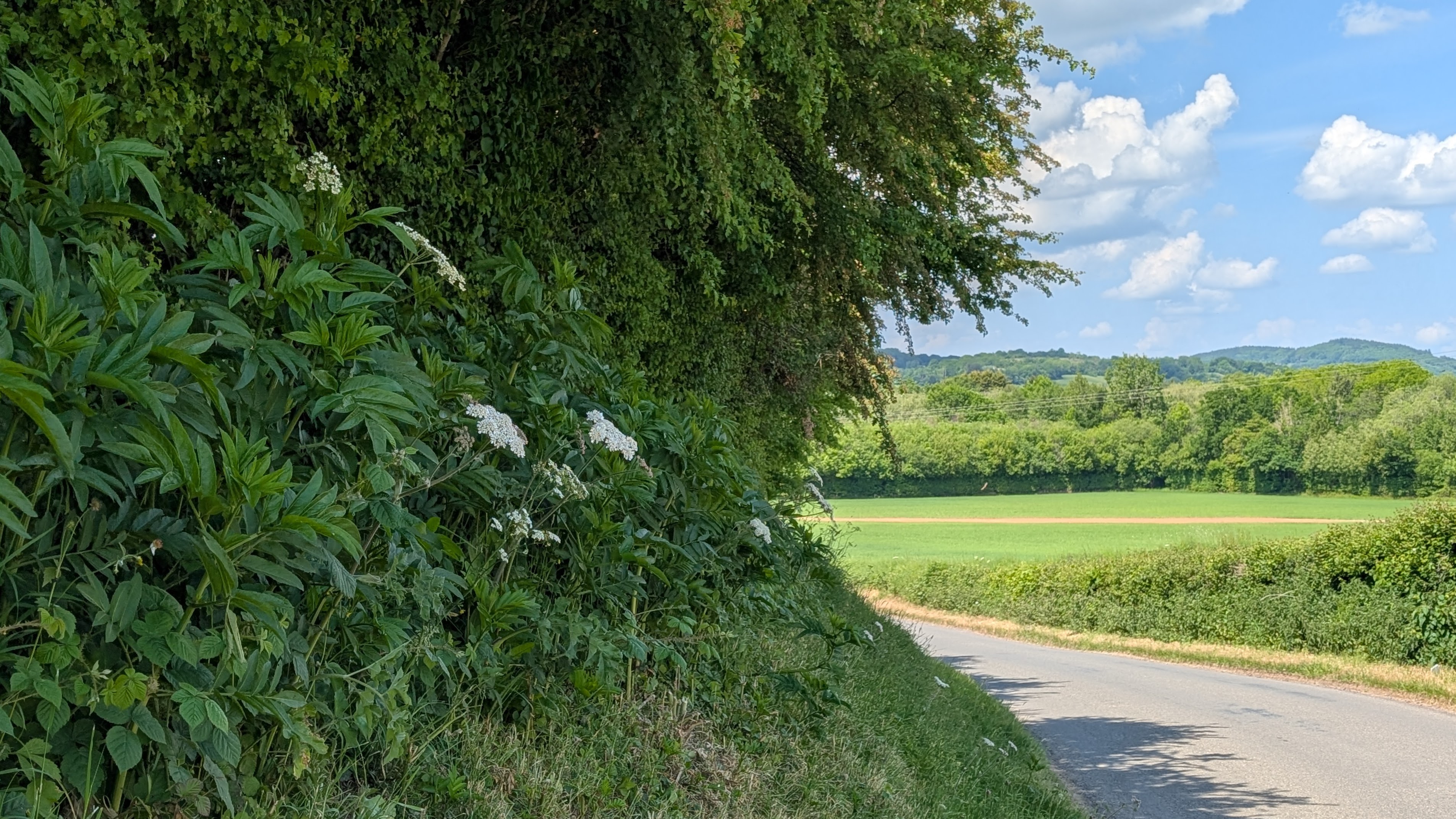
A particularly interesting find, which was only yards from the office, was Dwarf Elder Sambucus ebulus (below). This locally scarce species is an archeophyte, and is thought to have naturalised in Britain between the Neolithic period and 1500 AD.
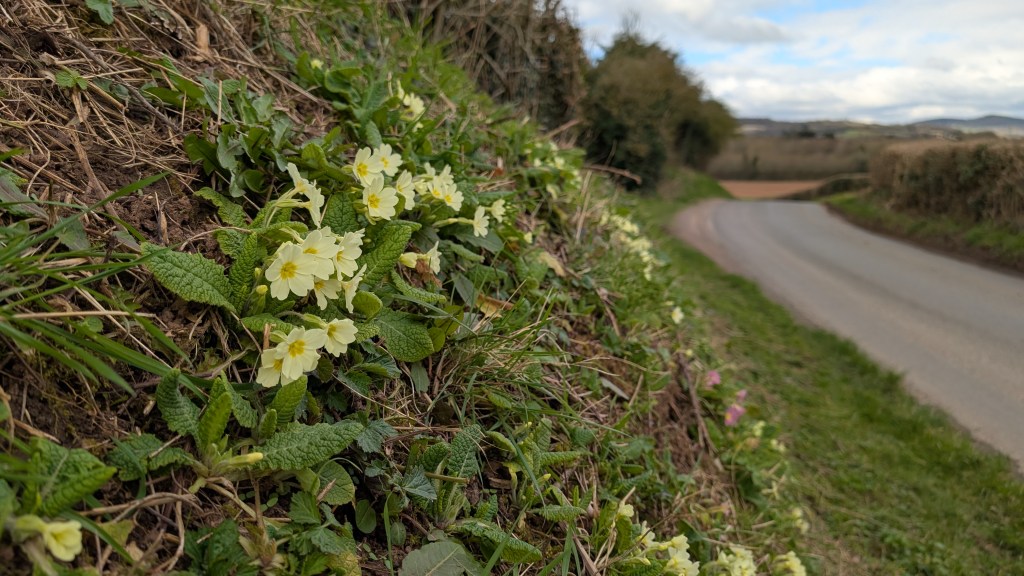
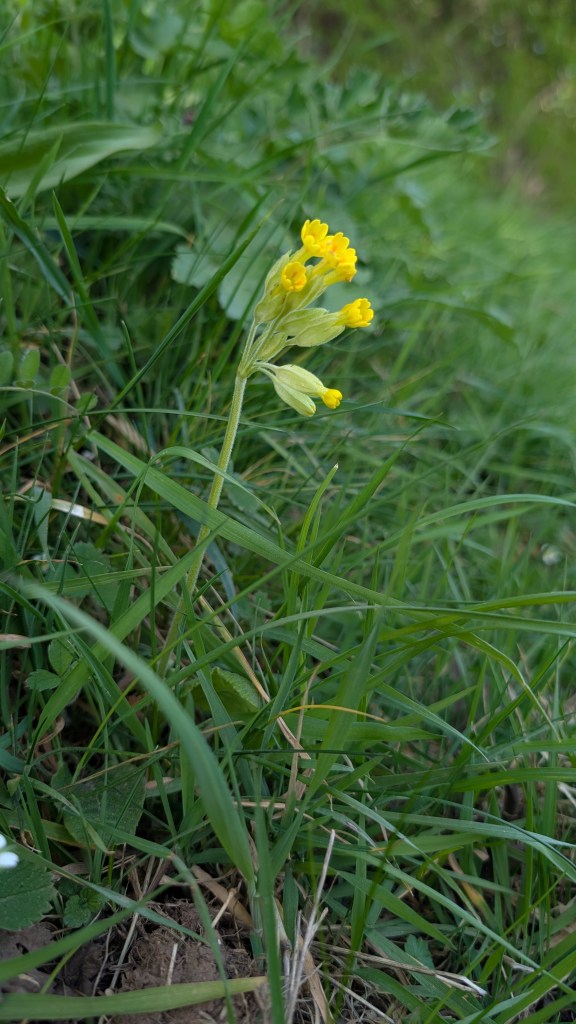
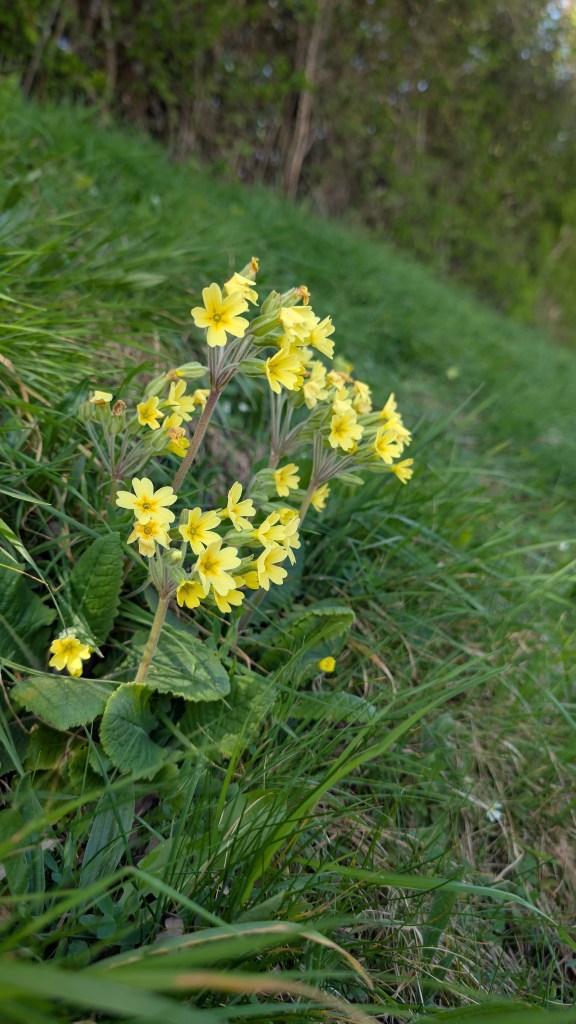
Between the lane and the hedgerow is rough grassland. This linear belt, sandwiched between the tarmac and the hedgerow, is the last stand for a suite of grassland and woodland edge species. Here, species such as Common Century Centaurium erythraea, Primrose Primula vulgaris, Cowslip Primula veris, and even their hybrid, the False Oxlip Primula x polyantha can be found.
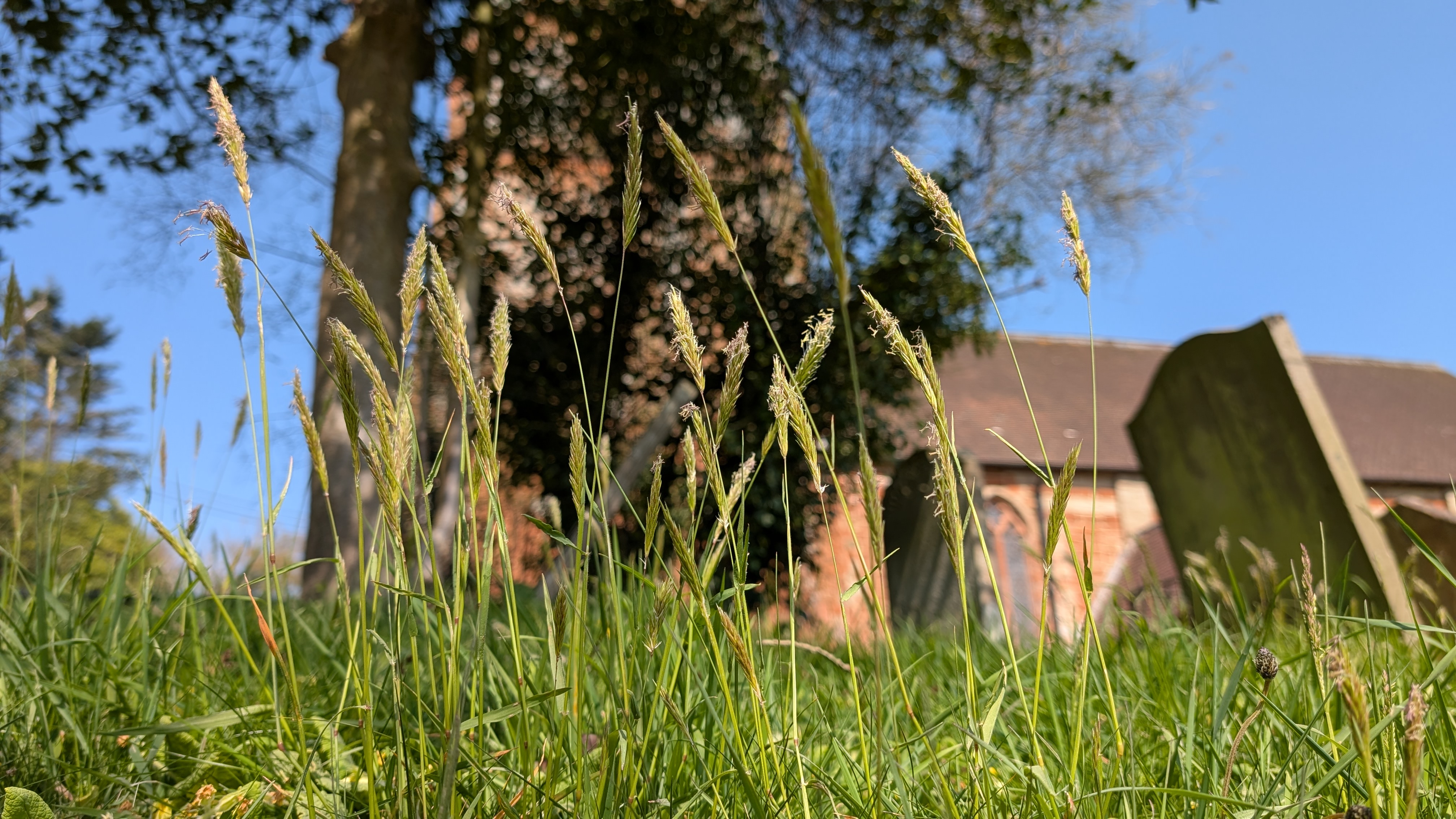
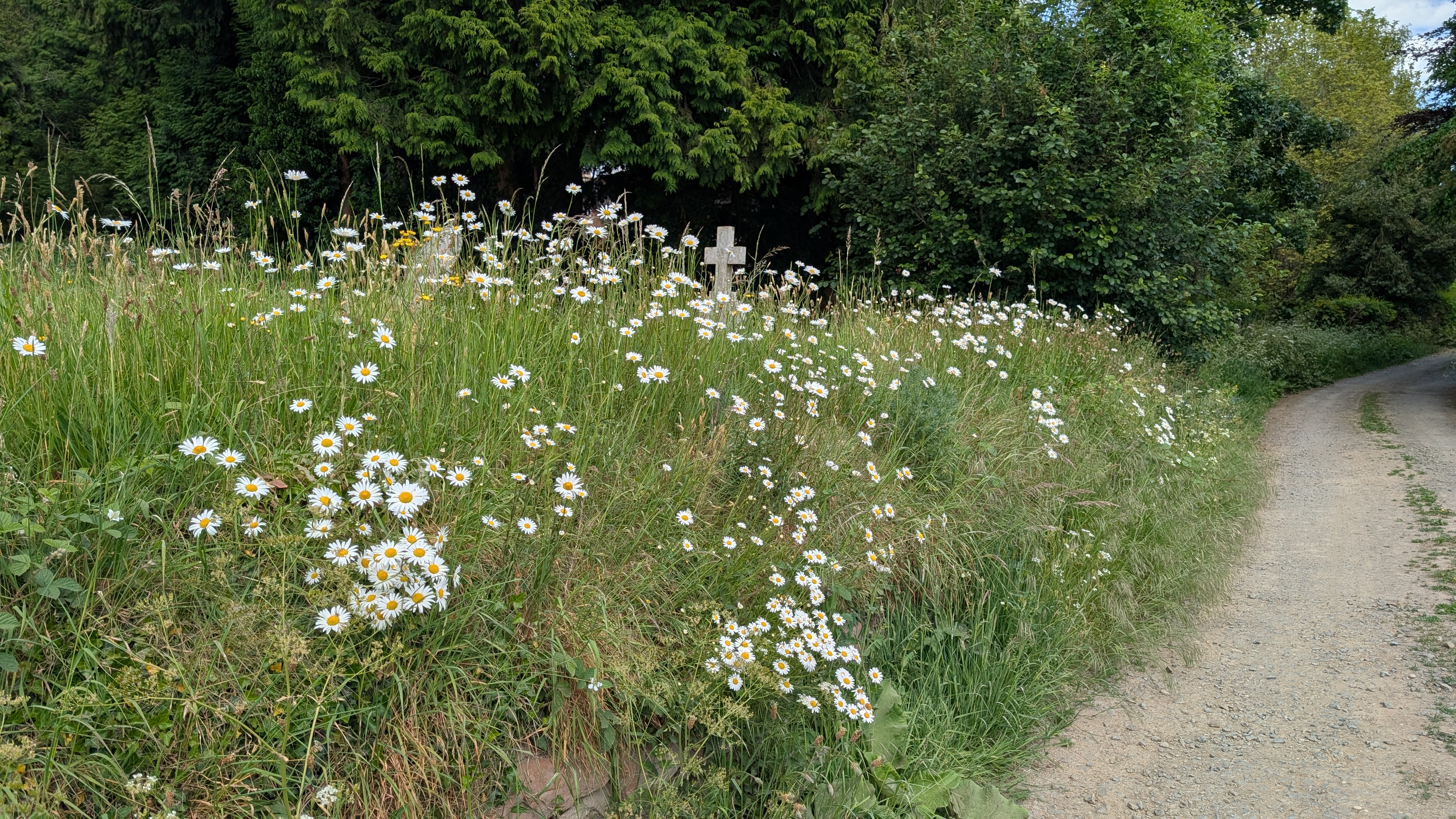
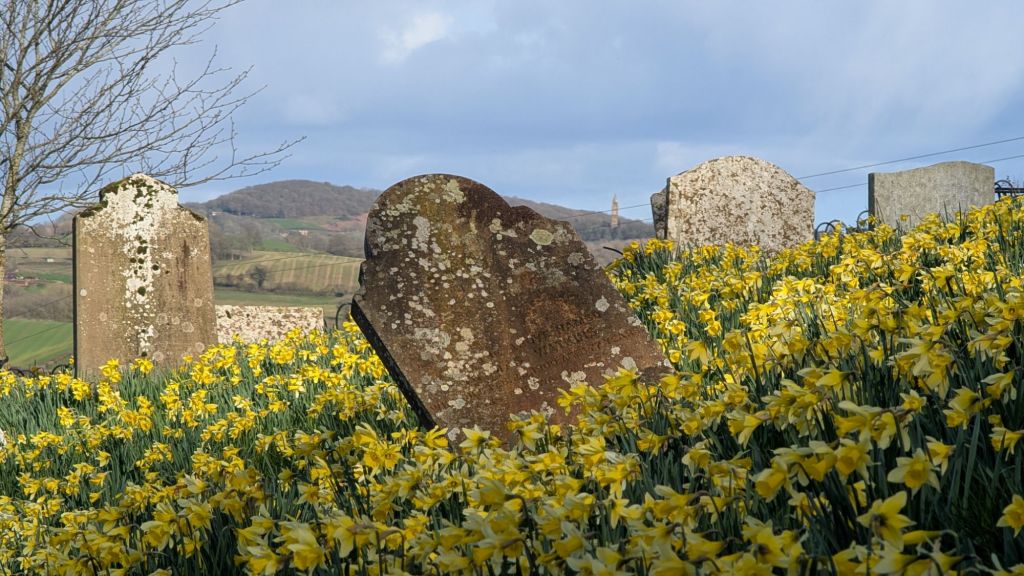
Down the lane in St. Peter’s churchyard. Here, it’s unlikely that the grasslands have been extensively treated with pesticides. Therefore, they still support meadow indicators such as Sweet vernal-grass Anthoxanthum odoratum, Bulbous Buttercup Ranunculus bulbosus and Rough Hawk’s-bit Leontodon hispidus. This suite of species affords us a glimpse into the past, to the kinds of grasslands that once would have been widespread in this part of the county.
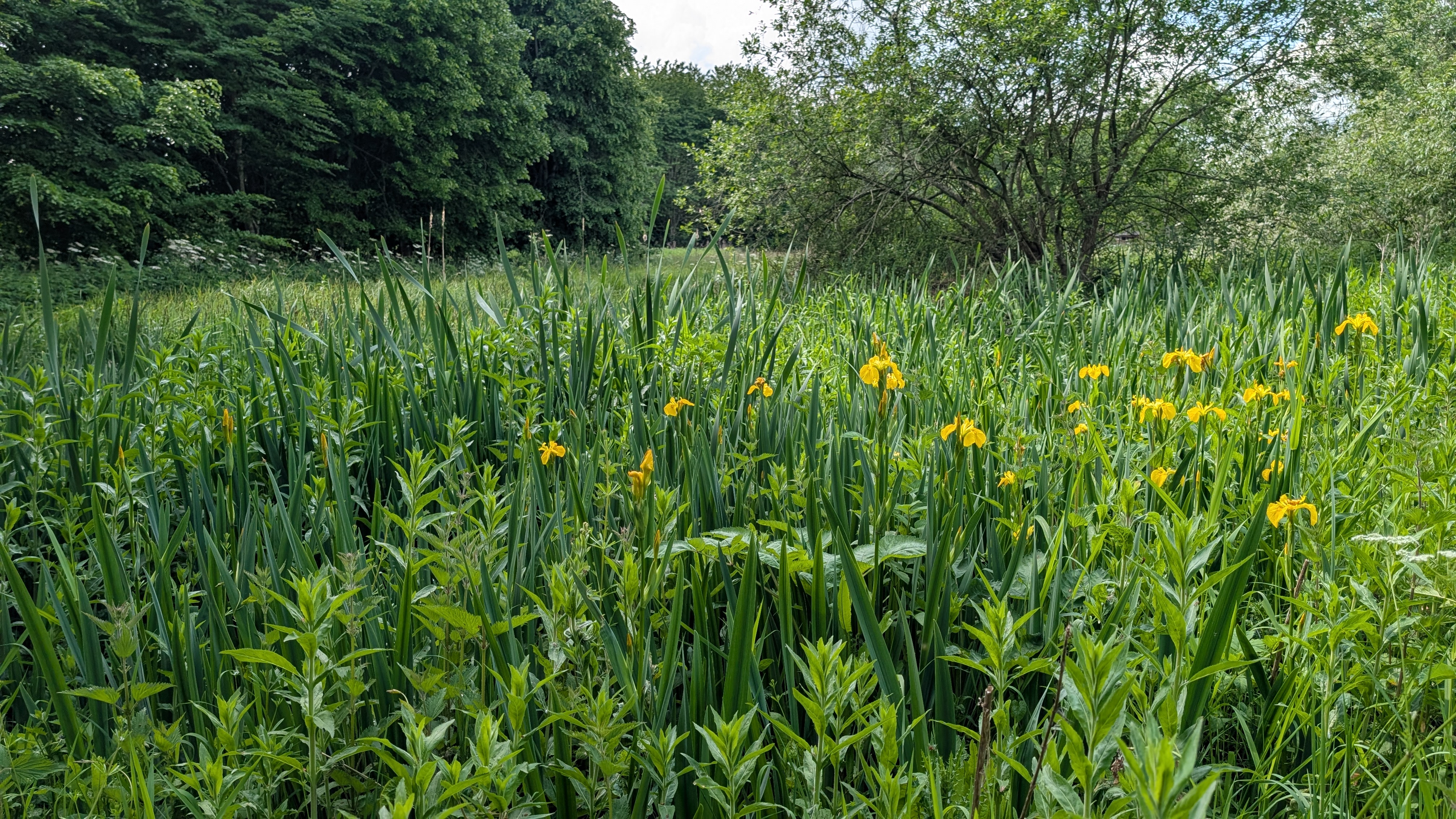
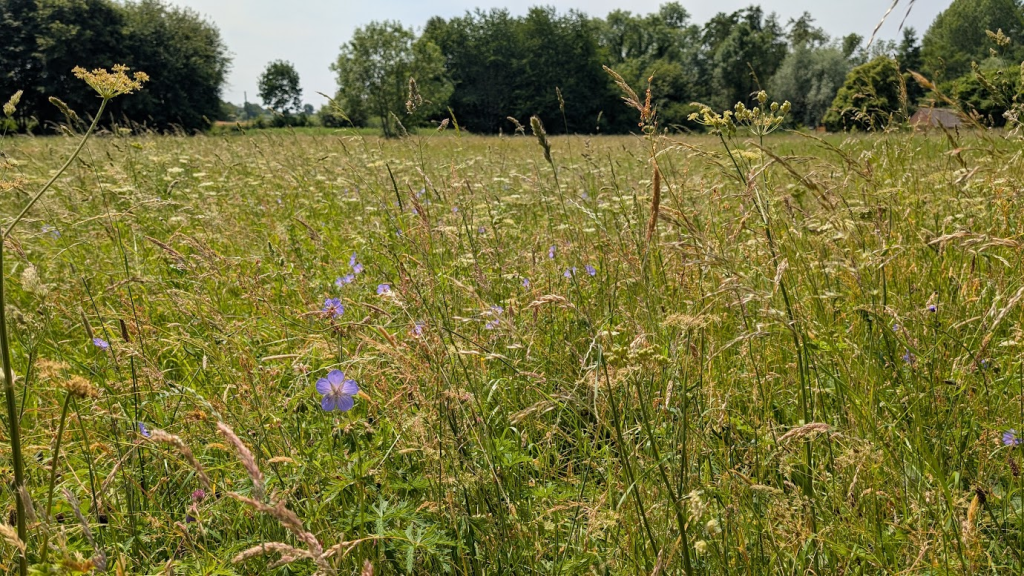
At the Millennium Green, there is a tall, busy grassland which is a cacophony of crickets on a warm June day. In the centre, there is a linear wetland that supports species that like their feet wet, such as Flag Iris Iris pseudacorus, Lesser Pond-sedge Carex acutiformis and Bullrush Typha latifolia and Great Willowherb Epilobium hirsutum.
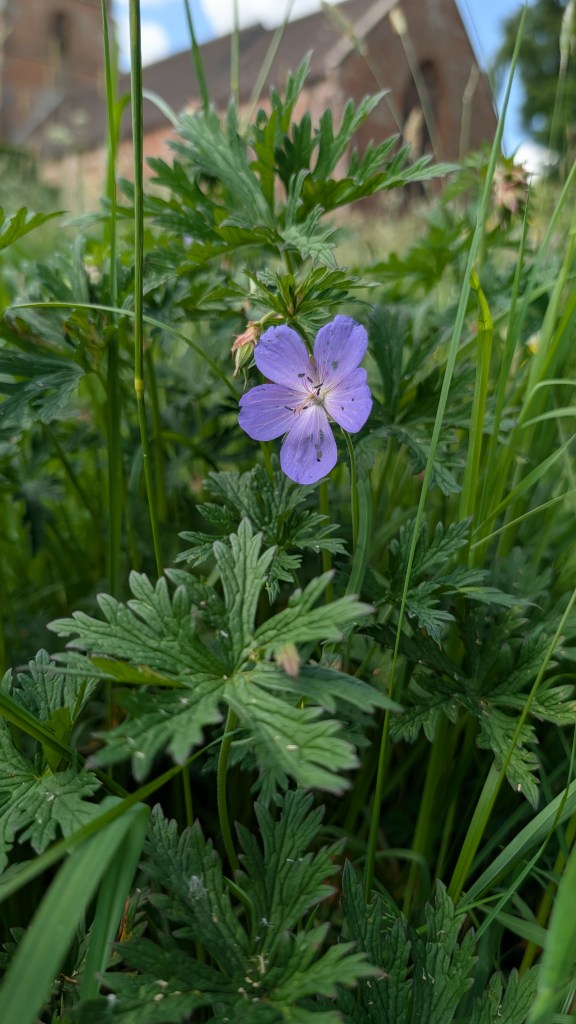
The grassland surrounding the pond is dominated by False oat-grass Arrhenatherum elatius with spatterings of Hogweed Heracleum sphondylium and Meadow Crane’s-bill Geranium pratense (for the ecologist; MG1 in NVC, g3c5 in UKHab).
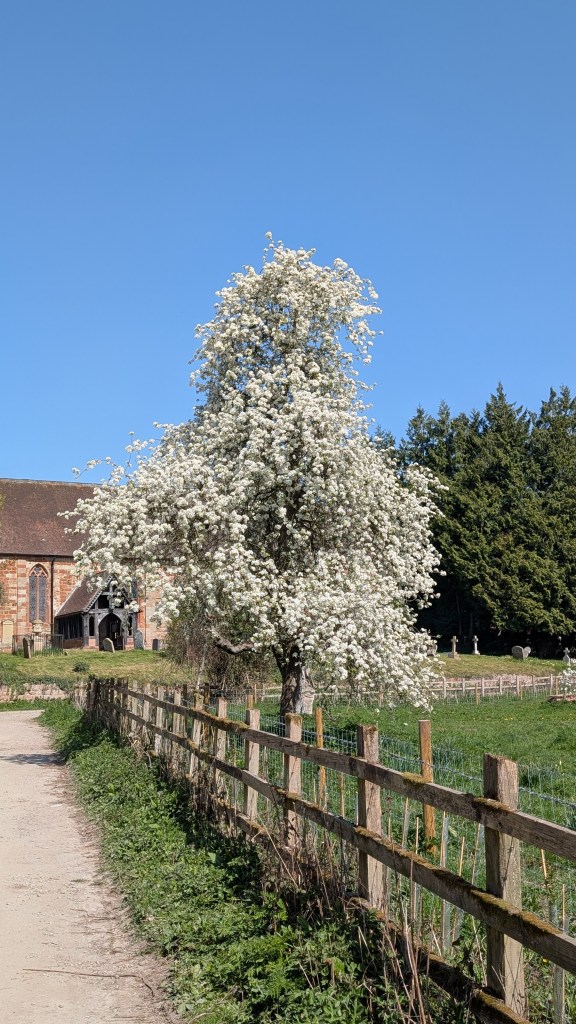
Around the fringes of the green are beautiful perry pear trees (don’t ask me what variety), which were in full blossom by early April. I foolishly took a pear in the autumn, and bit into it, it dried my mouth out like cotton wool – you win some, you lose some.
That concludes the descriptions of the different areas along the walk, the route and a full list of flowers seen is provided below. Let me know if you see any of these next spring!
List of Flowers by Month
These species are listed by the month that I first recorded them flowering on the walk; this is just a rough guide, and these flowers can be found outside of these months too.
March
- Barren Strawberry Potentilla sterilis Occasional on shady steep verge and in churchyard
- Colt’s-foot Tussilago farfara Rare along lane
- Common Field-speedwell Veronica persica Occasional in churchyard
- Daffodil Narsiccus sp. Introduced, verge near Hopehouse Farm
- Dandelion Taraxacum agg. Occasional along lane.
- Dog’s Mercury Mercurialis perennis Frequent along the length of lane
- Dwarf Elder Sambucus ebulus
- Early Dog-violet Viola reichenbachiana in gravel to RHS behind church
- Grey Field-speedwell Veronica polita Locally frequent on gravelly ramp entering churchyard
- Ground-ivy Glechoma hederacea Occasional along lane
- Groundsel Senecio vulgaris Churchyard and disturbed soil on lane (arable).
- Lesser Celandine Ficaria verna Locally frequent along Hopehouse Lane toward Hollins Lane
- Primrose Primula vulgaris Locally abundant on verges and in churchyard
- Red Dead-nettle Lamium purpureum Occasional along lane
- Smooth Hawk’s-beard Crepis capillaris* Near church doorway
- Thale Cress Arabidopsis thaliana Frequent in churchyard, rare on lane
- Wavy Bitter-cress Cardamine flexuosa Rare on lane, frequent in churchyard
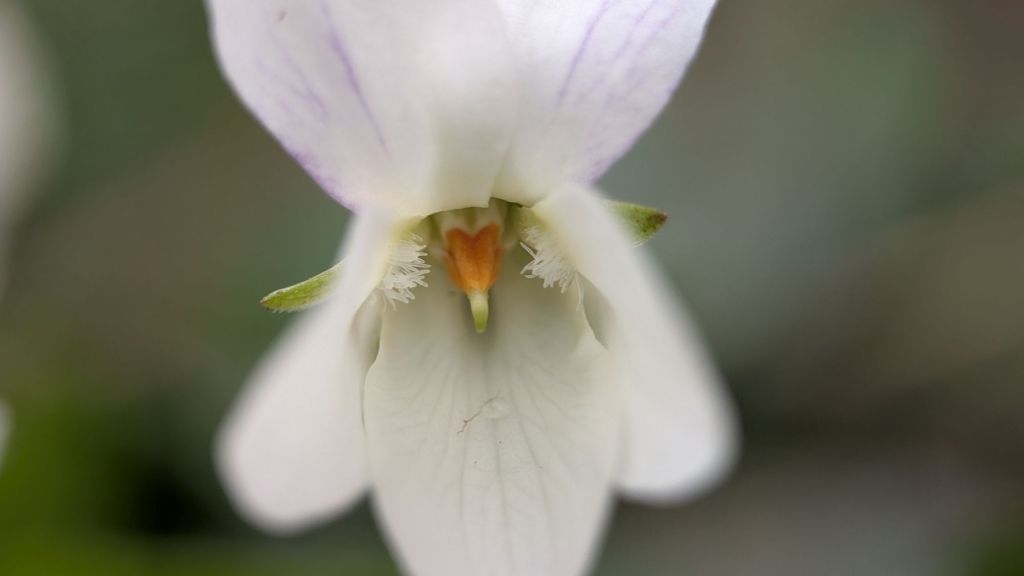
- Sweet Violet (white form) Viola odorata var. dumetorum Abundant on verge opposite the farm entry
- Sweet Violet Viola odorata var. odorata In churchyard
April
- Annual Meadow-grass Poa annua
- Black Medick Medicago lupulina couple plants before new arable fence
- Bulbous Buttercup Ranunculus bulbosus
- Bush Vetch Vicia sepium Bank w Primula
- Common Mouse-ear Cerastium fontanum gravel path edges sh fl r
- Common Sorrel Rumex acetosa
- Common Vetch Vicia sativa Verge opposite HHF
- Cow Parsley Anthriscus sylvestris Laneside
- Cow Parsley Anthriscus sylvestris Abundant along lane
- Cowslip Primula veris On bank lane
- Creeping Buttercup Ranunculus repens
- Cuckooflower Cardamine pratensis Occ. Sharp fl rush pasture
- False Oxlip Primula x polyantha Laneside, grassy bank w P. veris
- Field Forget-me-not Myosotis arvensis churchyard
- Field Horsetail Equisetum arvense corner of road and path to church
- Field Pepperwort Lepidium campestre churchyard
- Field Wood-rush Luzula campestris Churchyard
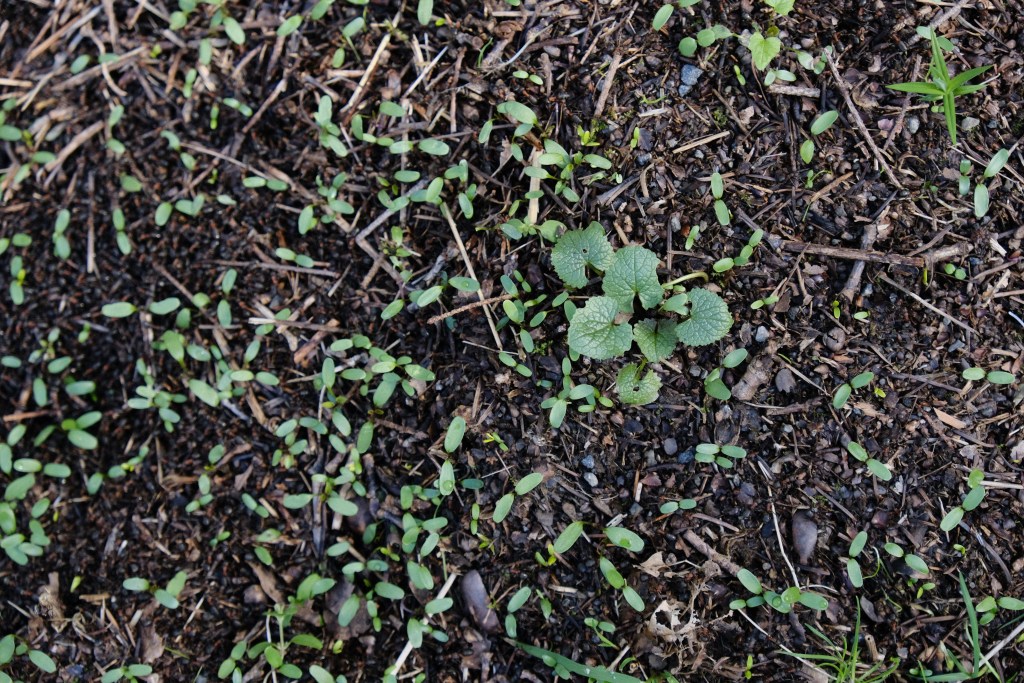
- Garlic Mustard Alliaria petiolata Lane
- Germander Speedwell Veronica chamaedrys Verge opp & churchyard
- Greater Celandine Chelidonium majus Churchyard, foot of sandstone wall on trackway
- Greater Stitchwort Stellaria holostea Locally frequent on hedgerow
- Green Alkanet Pentaglottis sempervirens Churchyard, foot of sandstone wall on trackway
- Hawthorn Crataegus monogyna
- Hogweed Heracleum sphondylium Frequent along lane
- Meadow Buttercup Ranunculus acris all Rs on corner of Lane and church path
- Meadow Foxtail Alopecurus pratensis Lane verge
- Oxalis Oxalis sp
- pears Pyrus m green
- Pellitory-of-the-wall Parietaria judaica churchyard
- Pendulous Sedge Carex pendula verge opp
- Red Clover Trifolium pratense churchyard
- Ribwort Plantain Plantago lanceolata
- Scarlet Pimpenel Lysimachia arvensis churchyard
- Sweet Vernal-grass Anthoxanthum odoratum bank out front. locally abundant.
- Thyme-leaved Speedwell Veronica serpyllifolia Verge opp
- White Dead-nettle Lamium album Laneside
- Wild Cherry Prunus avium millennium green
May onwards
- Autumn Hawkbit Scorzoneroides autumnalis churchyard
- Barren Brome Anisantha sterilis Millenium Green
- Bittersweet Solanum dulcamara p Millenium Green
- Black Bryony Tamus communis lane
- Daisy Bellis perennis Frequent in churchyard, and verge opposite farm entry
- False Oat-grass Arrhenatherum elatius Millenium Green
- Field Bindweed Convolvulus arvensis
- Hogweed Heracleum sphondylium Millenium Green , lane
- Lesser Pond-sedge Carex acutiformis pond, Millenium Green
- Lesser Trefoil Trifolium dubium churchyard
- Meadow Crane’s-bill Geranium pratense Millenium Green
- Meadow Vetchling Lathyrus pratensis lane
- Meadowsweet Filipendula ulmaria lane
- Pineappleweed Matricaria discoidea arable gate
- Ragged Robin Silene flos-cuculi pool millennium green
- Rough Hawkbit Leontodon hispidus churchyard
- Smooth Sow-thistle Sonchus oleraceus lane
- Spindle Euonymus europaeus
- Tufted Vetch Vicia cracca lane?
- Wild Radish Raphanus raphanistrum arable gate
- Yarrow Achillea millefolium Millenium Green
- Yellow Iris Iris pseudacorus Millenium Green
- Yellow-rattle Rhinanthus minor Millenium Green
And with that, my total count was 79. And that’s just the beginning; there are dozens more that I didn’t record, as I was only focusing on flowers this time. Let me know if you see any of these plants this spring!
Tom Ward, 2025

 Tom the Botanist
Leave a comment