It’s been a while! But we’re back with some botanical highlights from August and September, and my first couple of months with Severn Rivers Trust.
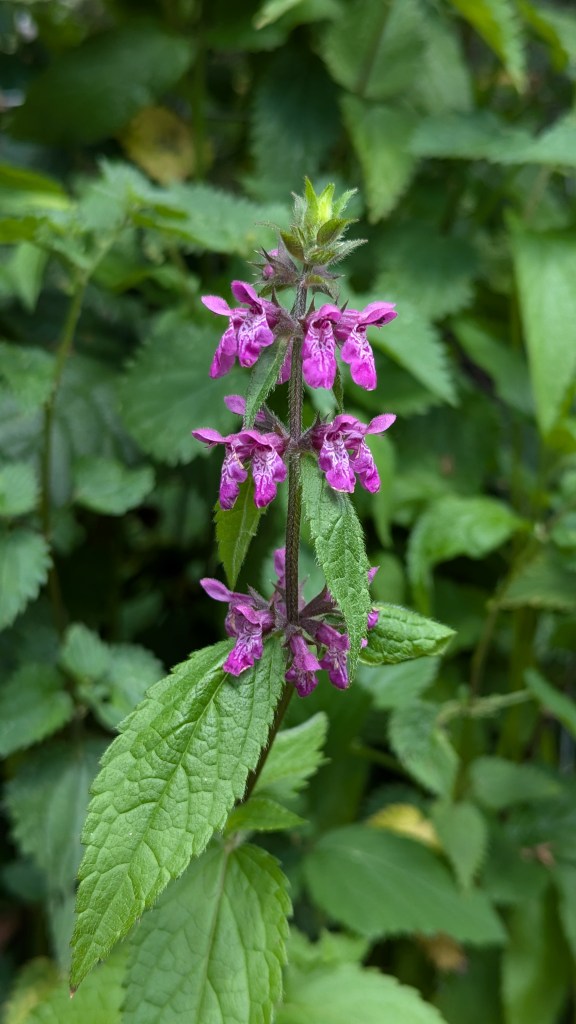
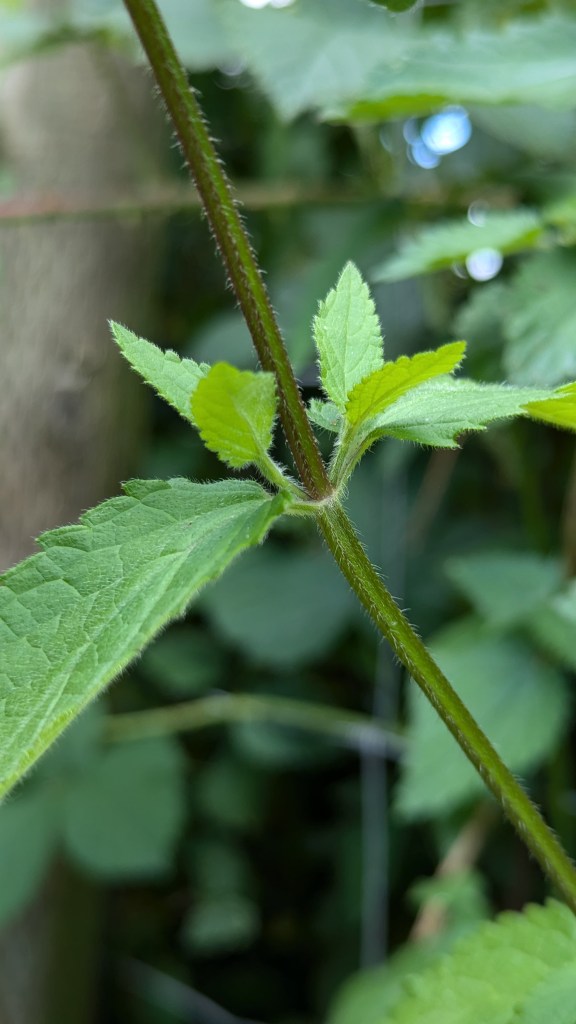
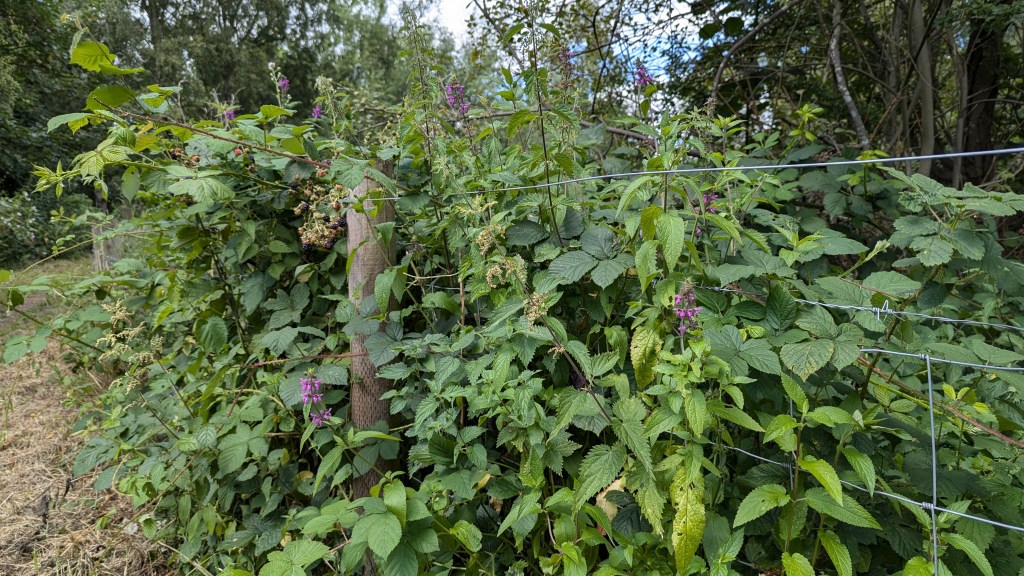
1. Hybrid Woundwort (Stachys x ambigua). It shares the characters of both parents (S. sylvatica and S. palustris), but unlike S. palustris it has leaf stalks! These plants were growing at Mitton Marsh, along the floodplain of the River Stour. 06.08.24.
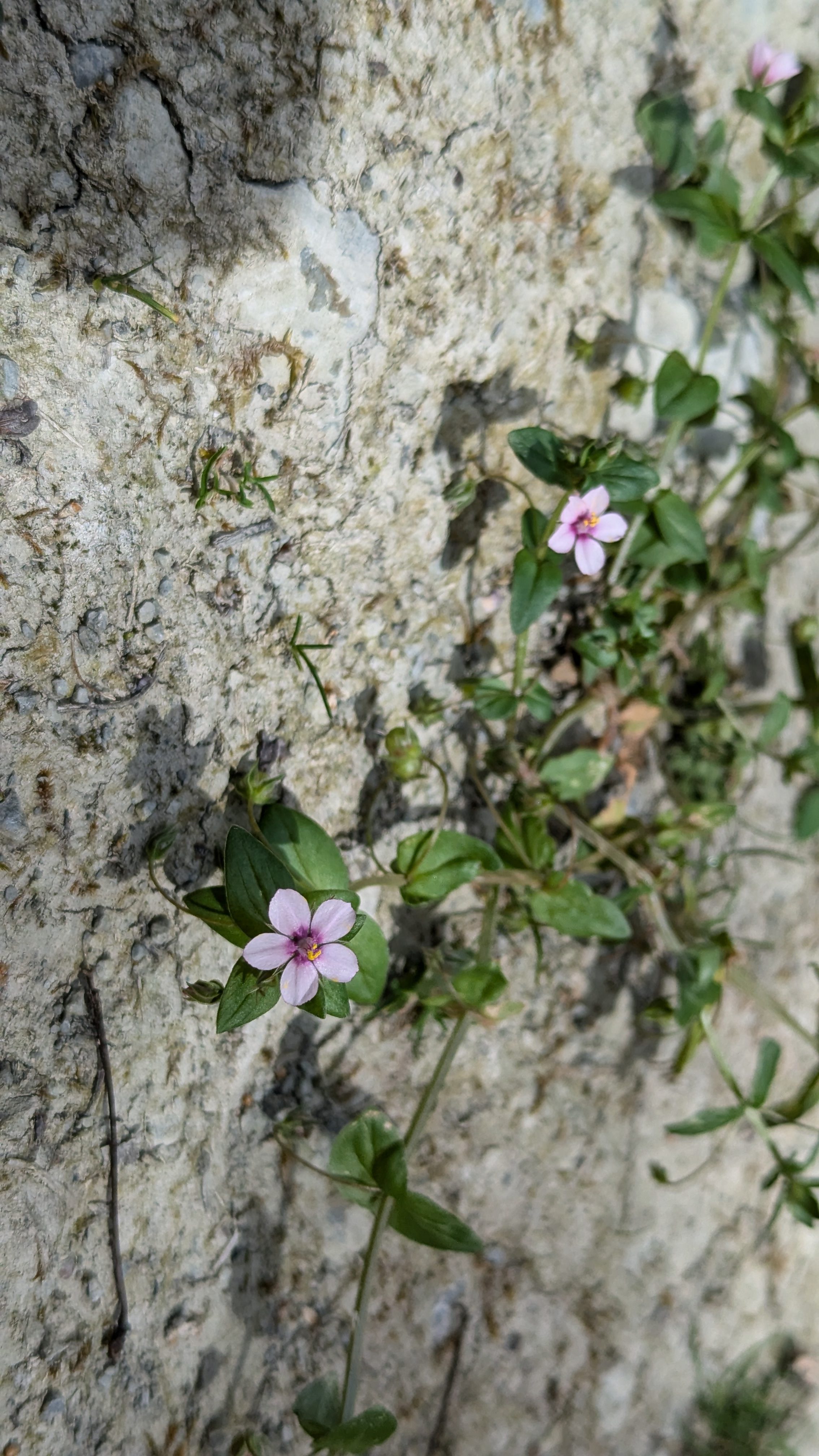
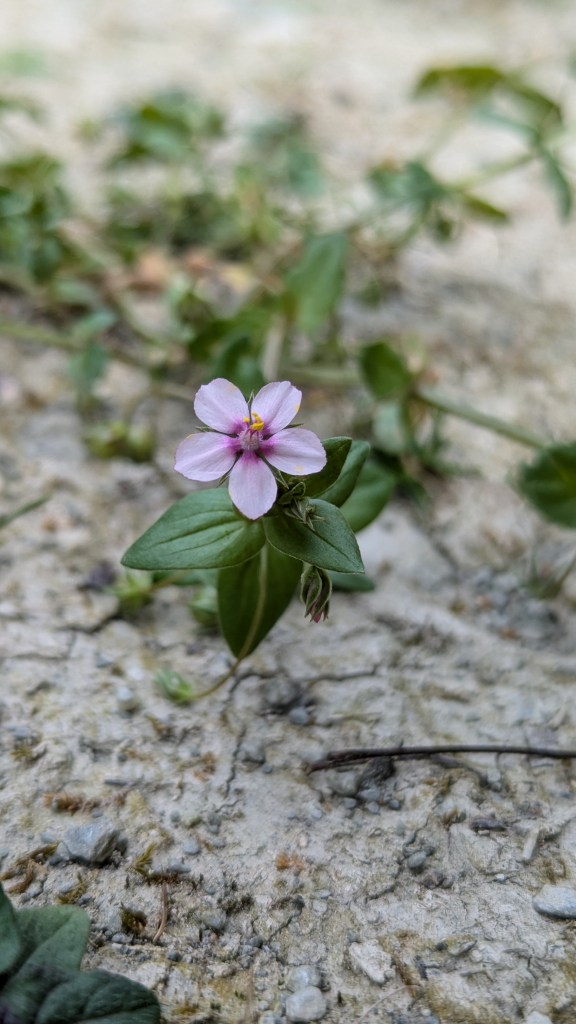
2. Lilac form of Scarlet Pimpernel (Lysimachia arvensis f. lilacina) at Penny Hill disused quarry, whilst looking at Rosa with Roger M. I’m still not convinced on the taxonomy of this plant, as on iNaturalist I’ve had a comment saying that it is Lysimachia arvensis × loeflingii 22.08.24.
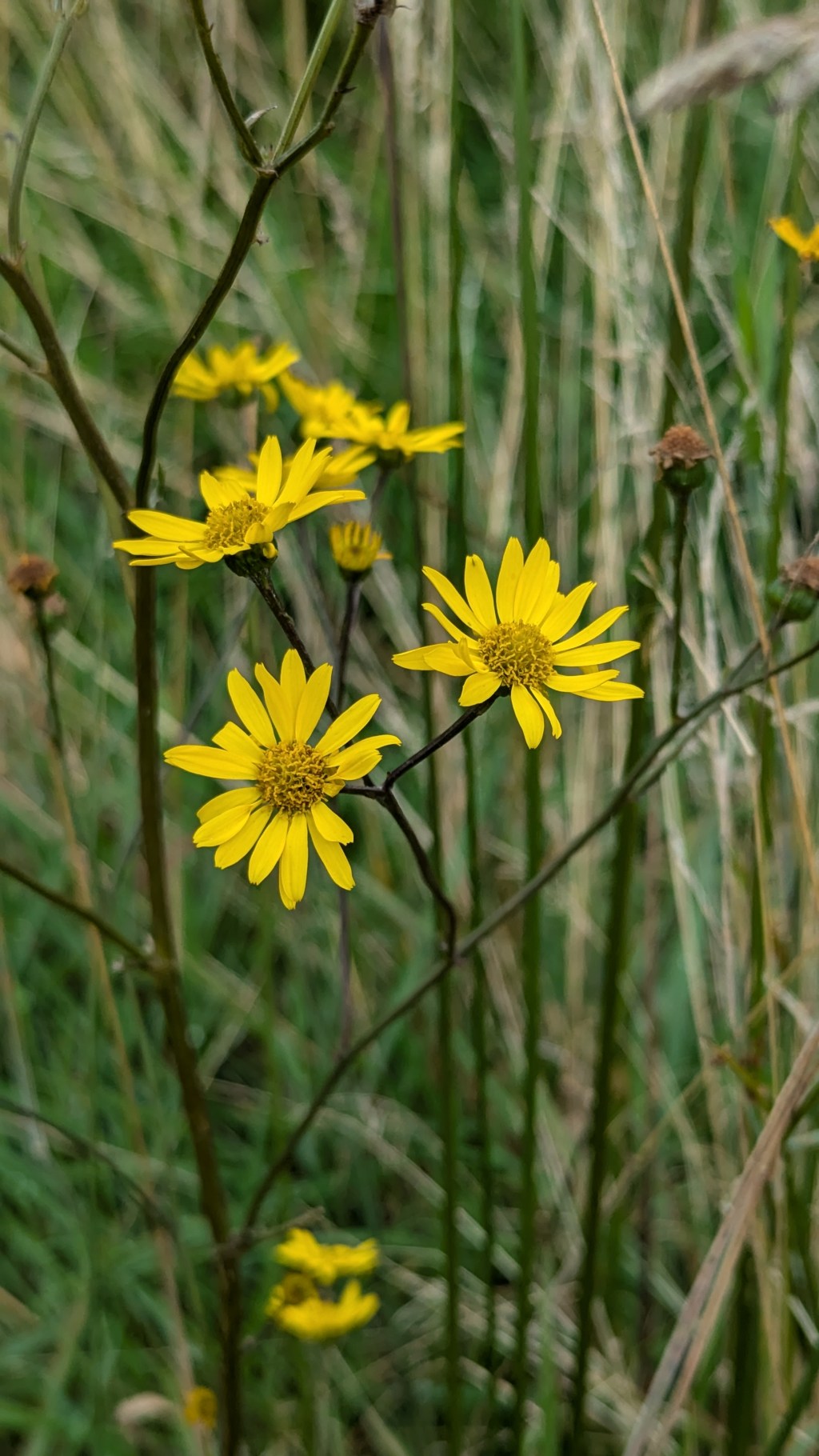
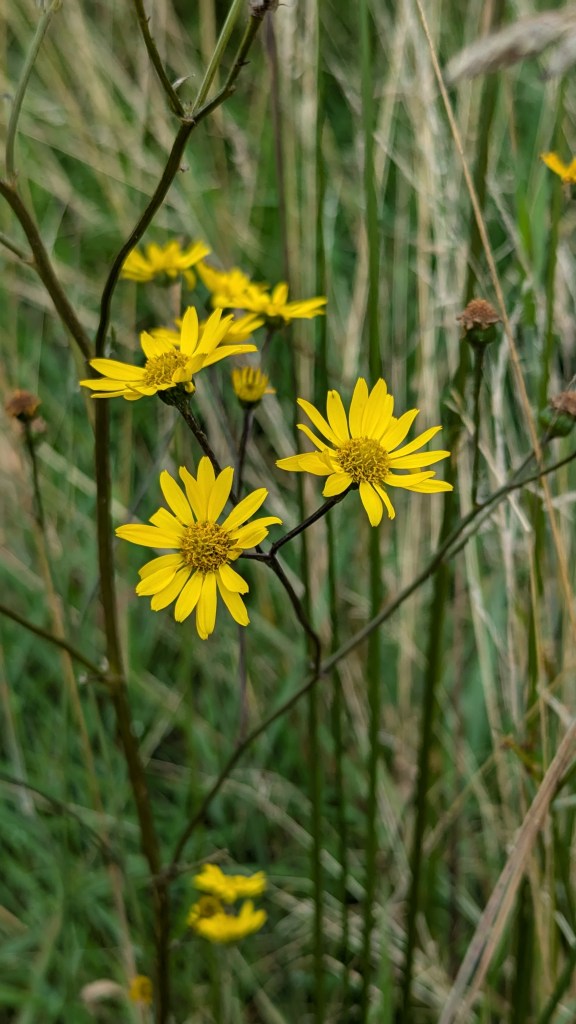
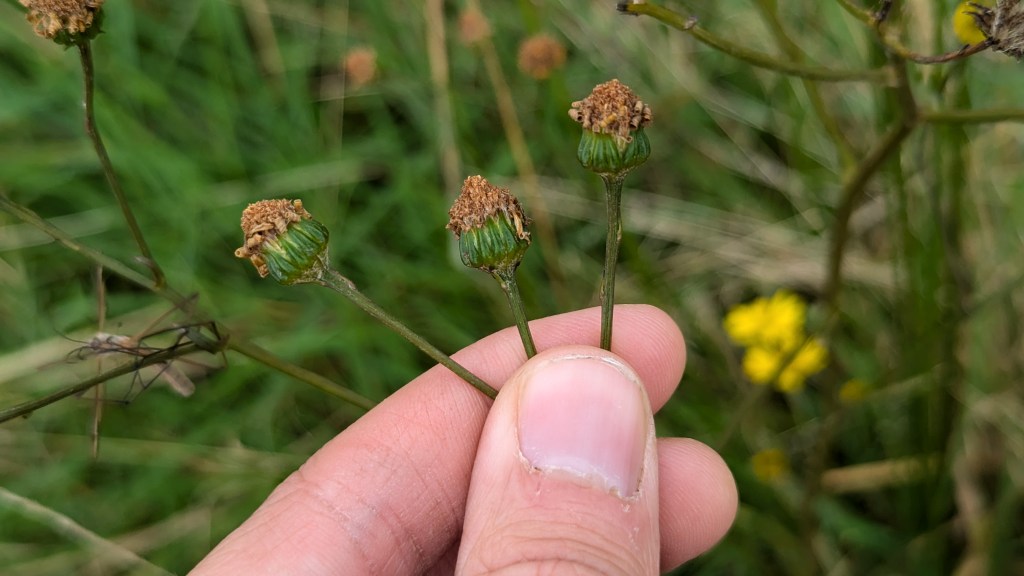
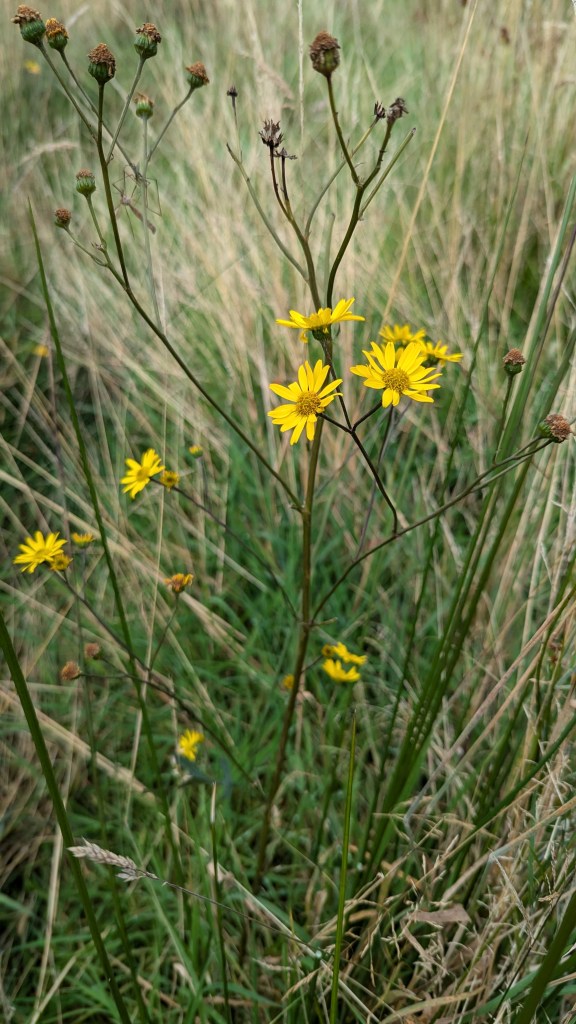
3. Marsh Ragwort (Jacobaea aquatica) from some nice rush-pasture on a site in Shropshire. It was growing in a wet transitional zone between MG10 Holcus-Juncus and M23 Juncus acutiflorus-Galium palustre rush-pasture NVC communities. I later also found a bit more of it in pure M23. The features that drew my eye to this plant were the well spaced capitula and blunt stem-leaves. 02.09.24.
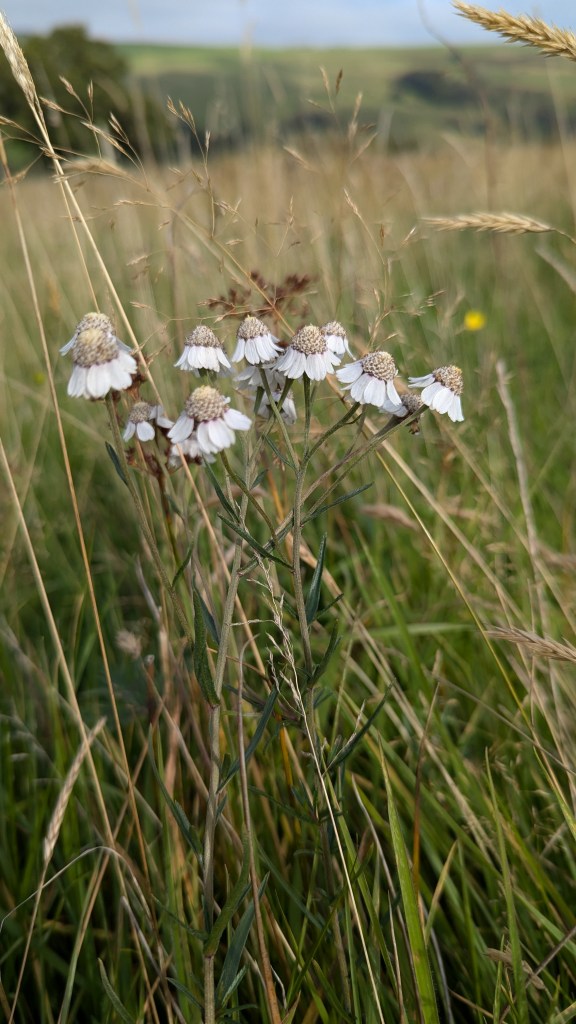
4. Sneezewort (Achillea ptarmica) found at the same site as J. aquatica in marshy grassland / rush pasture. Shropshire. 19.09.24.
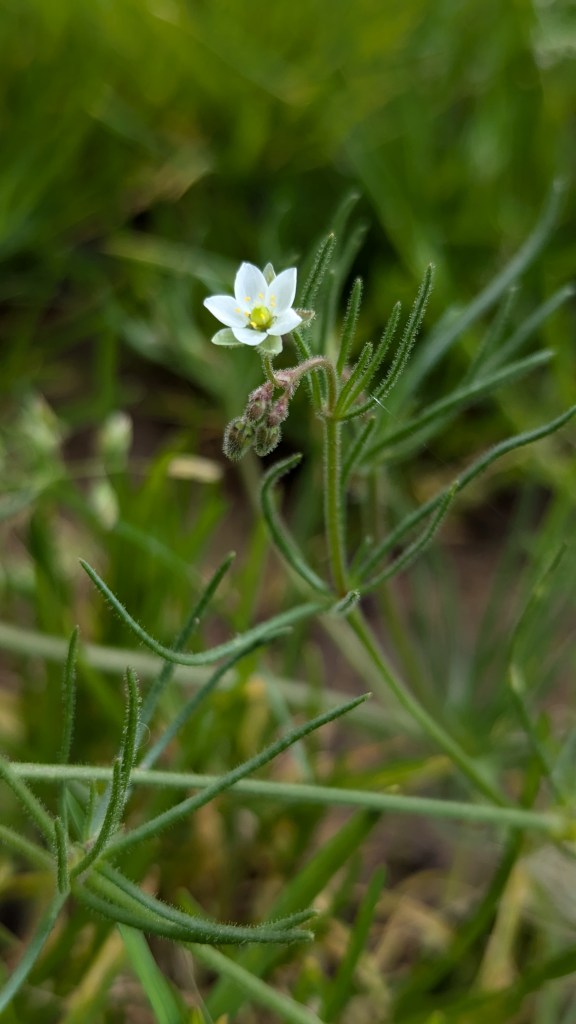
5. Corn Spurrey (Spergula arvensis) growing in abundance in farm gateway, Shropshire. GB & Eng Redlisted as Vulnerable. Site as above, but in the gateways and disturbed areas of the fields with the MG6 Lolium-Cynosurus NVC community. 19.09.24.
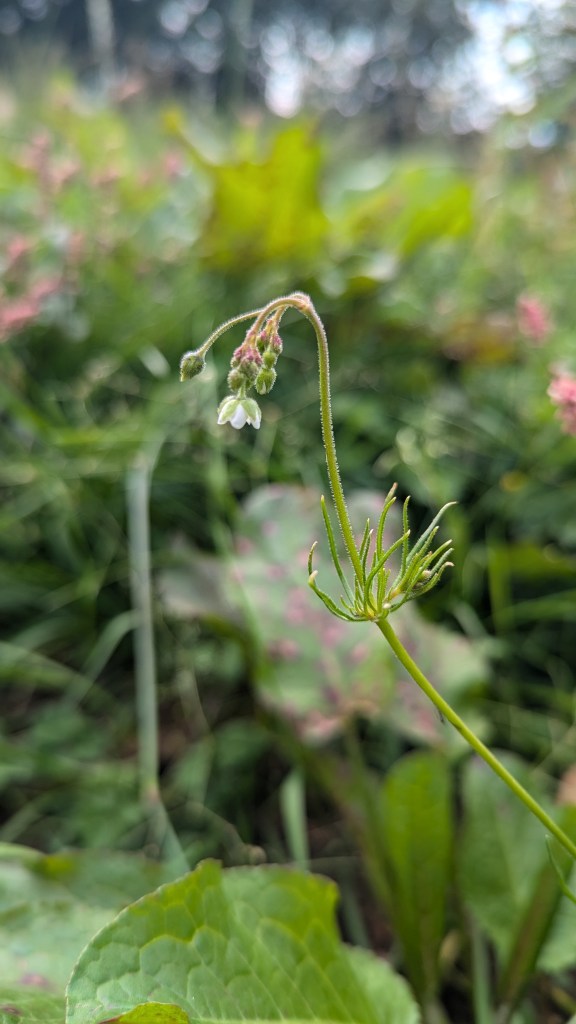
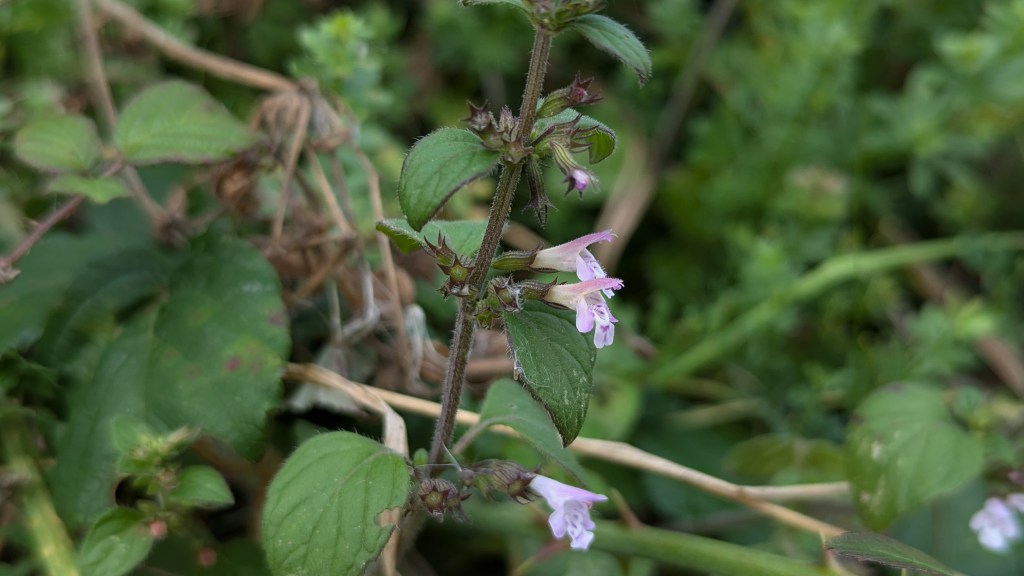
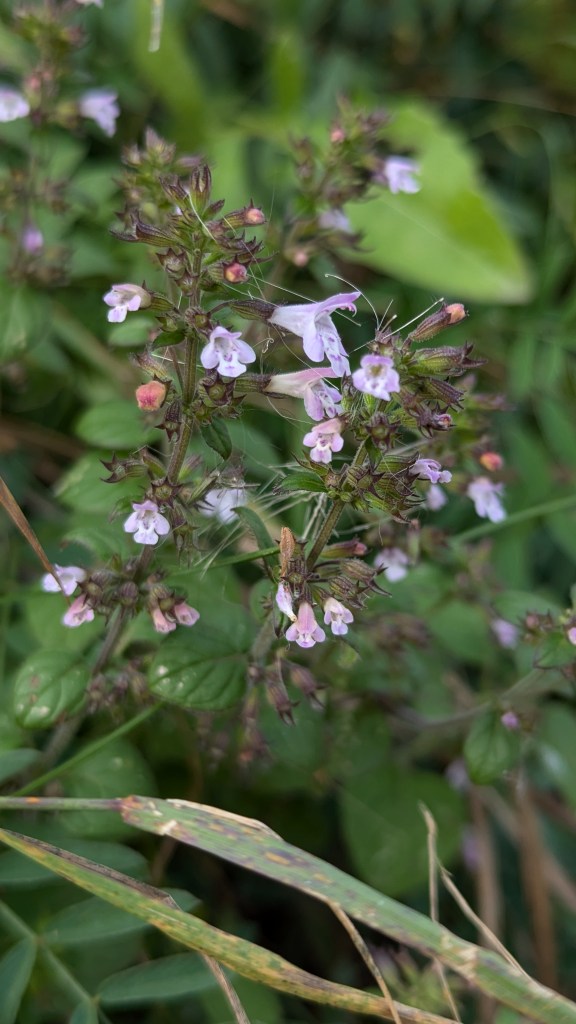
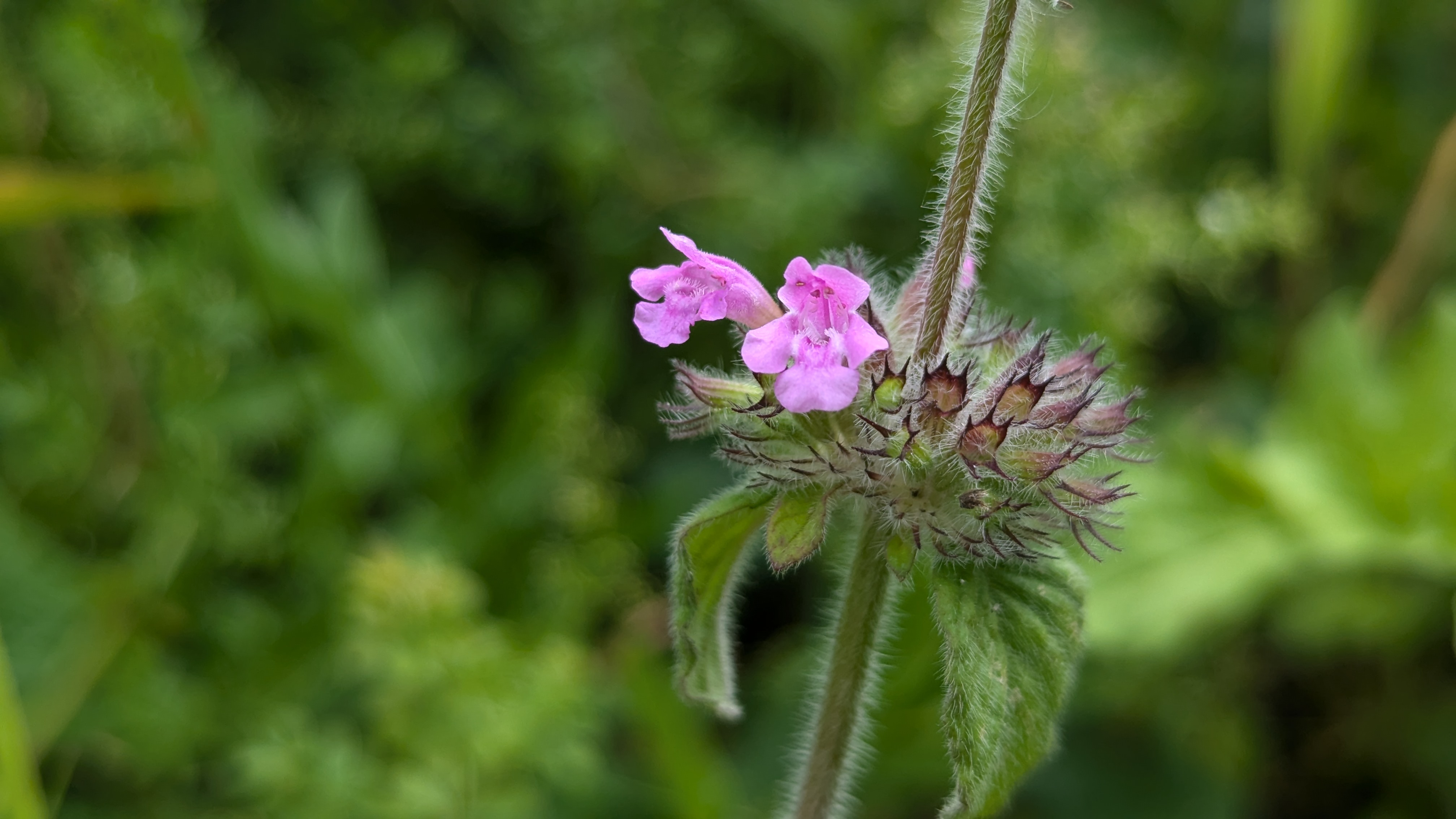
6. Common Calamint (Clinopodium adscendens) along an arable field margin / bank in Bredon, Worcestershire. This was found this along the same arable field margin that we took the NWFG to in July. I was on Bredon Hill again for work and happened across Adrian of Kemerton, who kindly pointed the Calamint out. 04.09.24. Note that the flower-clusters are not dense whorls but instead are cymes with a common stalk, the flower colour is also different. See C. acinos photo below for comparison.
#botany #ukbotany #worcestershire #shropshire

 Tom the Botanist
Leave a comment