Click for contents
At this time of year, we have more in common with plants than you think. The warmth of the spring sunshine feels like it brings us to life after a long winter, as much as it does them. Amongst the first wildflowers that catch the eye, in striking purple, are the violets.
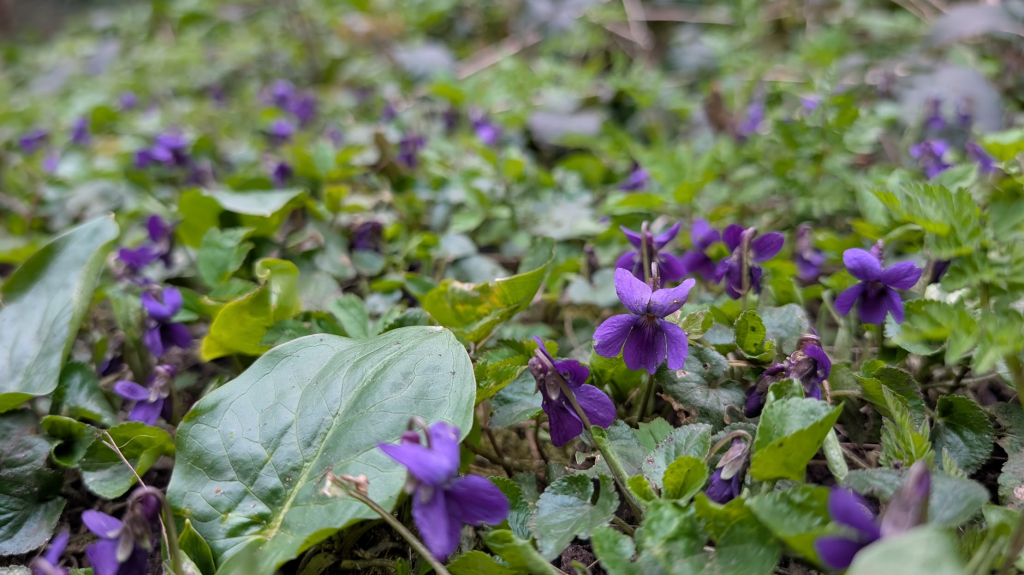
There are around 14 different species of violet in Britain (Stace, 2019), but one of the first to flower is Sweet Violet Viola odorata. The other early emerger is the aptly named Early Dog-violet Viola reichenbachiana.
But how do you separate a Sweet Violet from a Dog-violet?
Sweet Violet vs. Dog-Violets
It’s really quite easy, and we do this by looking at the sepals. Study the photo below for a quick overview of violet flower anatomy before reading on.
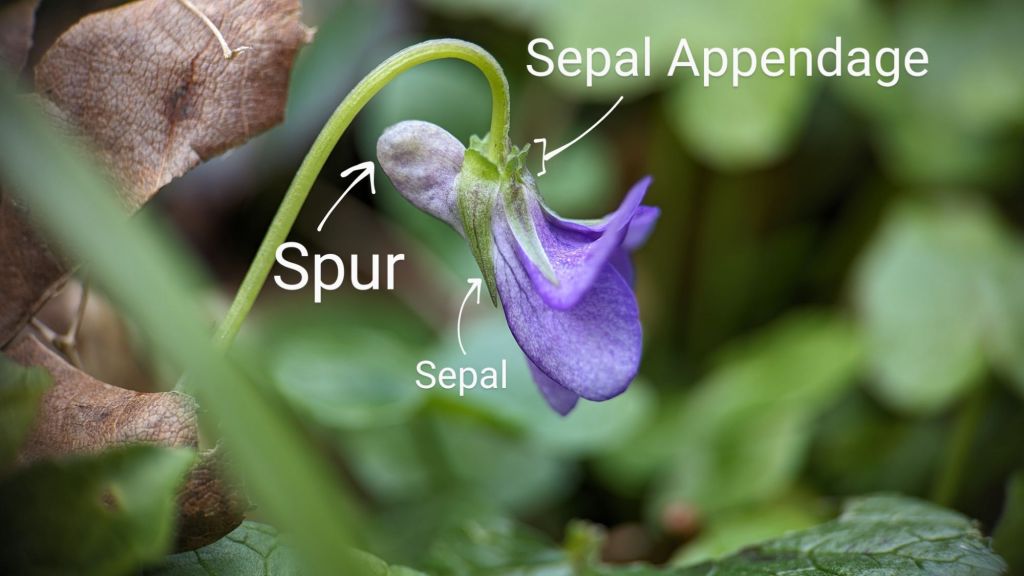
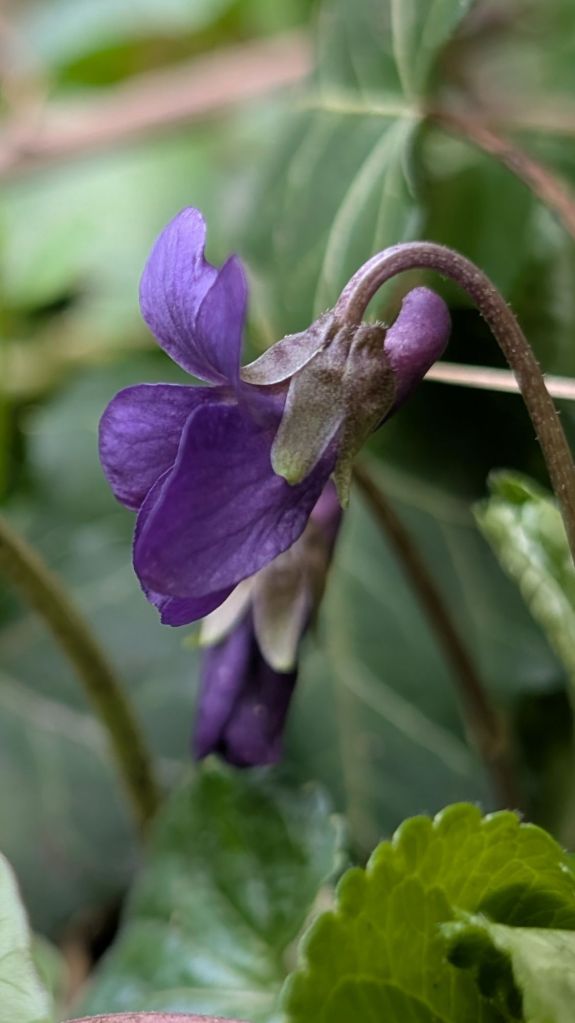
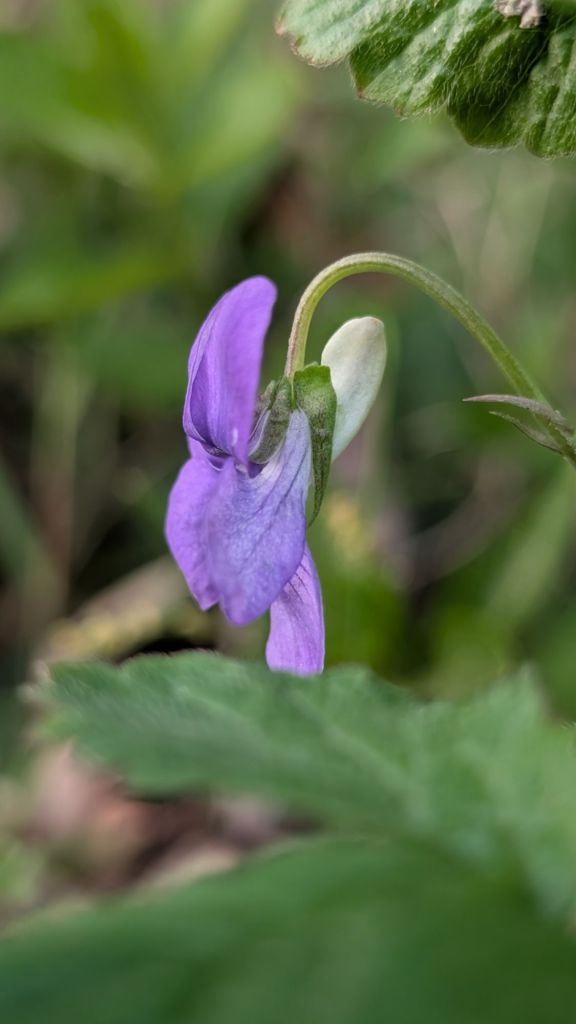
If you study the sepals in the photos below, you will see that Sweet Violet Viola odorata has blunt sepals, much like the end of your thumb. Whereas Dog-violets Viola spp. have pointed sepals, like a dog’s tooth.
Variations of Sweet Violet
Now that we can confidently separate sweet from the dogs, let’s have a look at some common colour varieties of Sweet Violet that I’ve recorded this spring. I have started by listing varieties I have seen and photographed, and then put additional varieties of that colour type in bullet points below.
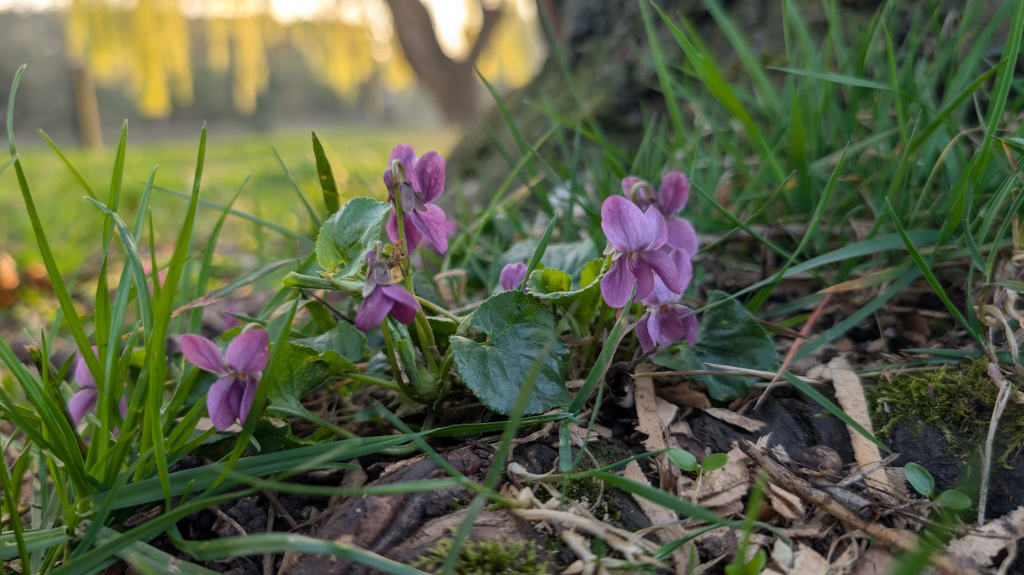
Checklist
- var. dumetorum (white, hair tufts)
- var. imberbis (white, no hair tufts)
- f. lilacina (white with violet veins)
- var. ‘leucoium’ as per A.C. Leslie (Porter and Foley, 2017)
- var. subcarnea (pink/red, no hair tufts)
- var. odorata (typical form, as above)
- var. praecox (closed flowers, violet)
- var. sulfurea (apricot/yellow flowers)
Much of the information below is based on the ‘Violas of Britain and Ireland‘ by Michael Porter and Michael Foley. If you enjoy Violet hunting, then be sure to grab yourself a copy to support the authors.
White Varieties
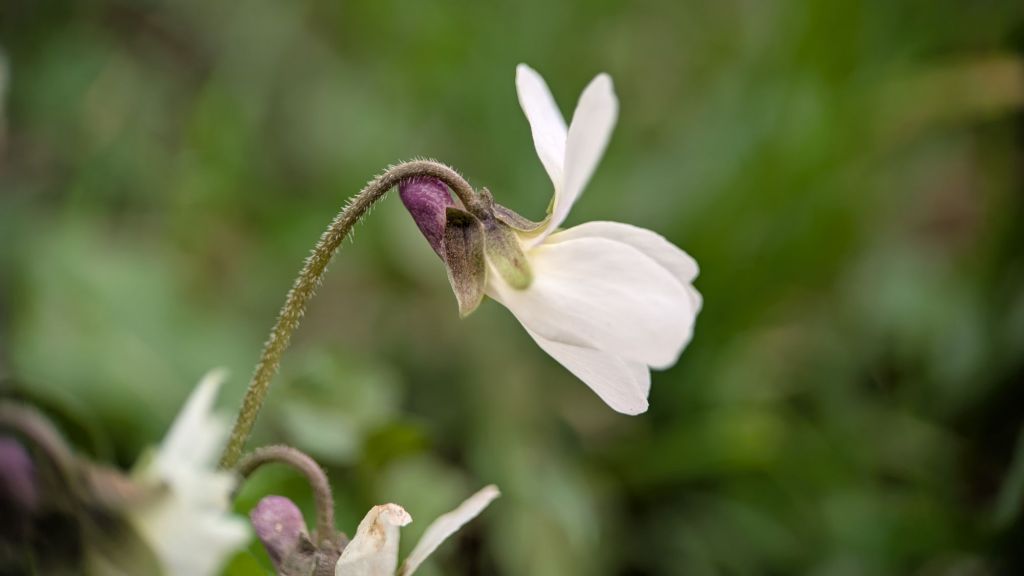
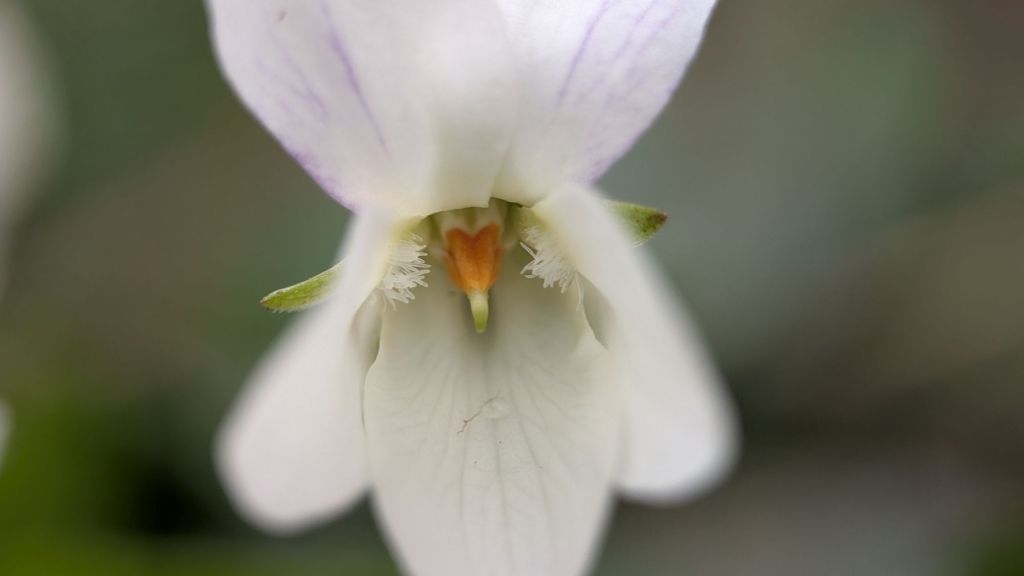
Viola odorata var. dumetorum
The most frequently encountered variety near me is one of the white forms, named Viola odorata var. dumetorum. It has a white corolla and a purple spur. There are also small tufts of hair on the inside edge of the lateral petals (below right). St. Peter’s Church, Martley.
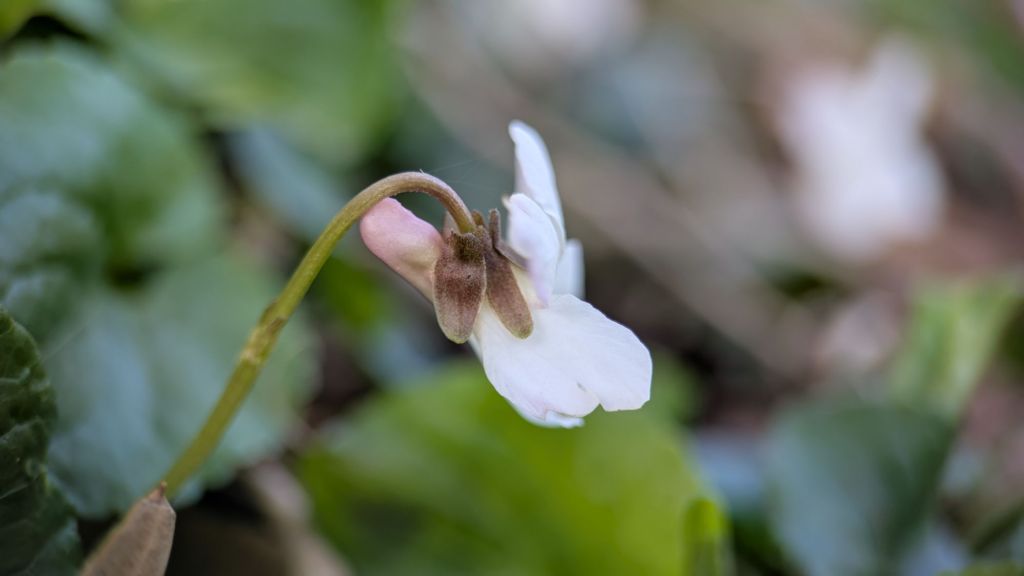
Viola odorata var. imberbis
Another white form, which I encounter less frequently, is Viola odorata var. imberbis. According to Violas of Britain and Ireland, this variety is more typically found on calcareous soils. I’ve mostly encountered it at the base of trees! This variety has a white corolla, a pinkish spur and lacks the tufts of hairs on the lateral petals. Entrance to Hartlebury Castle, Hartlebury. 14.03.26.
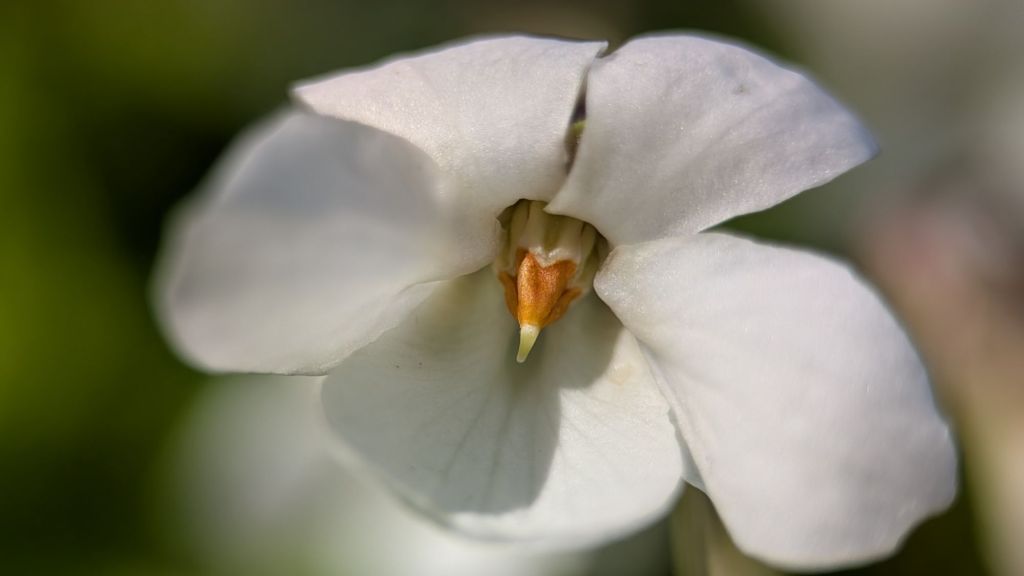
Other white-coloured varieties:
- var. ‘leucoium’ as per A.C. Leslie (Porter and Foley, 2017)
- f. lilacina (white with violet veins)
Pink Varieties
Viola odorata var. subcarnea
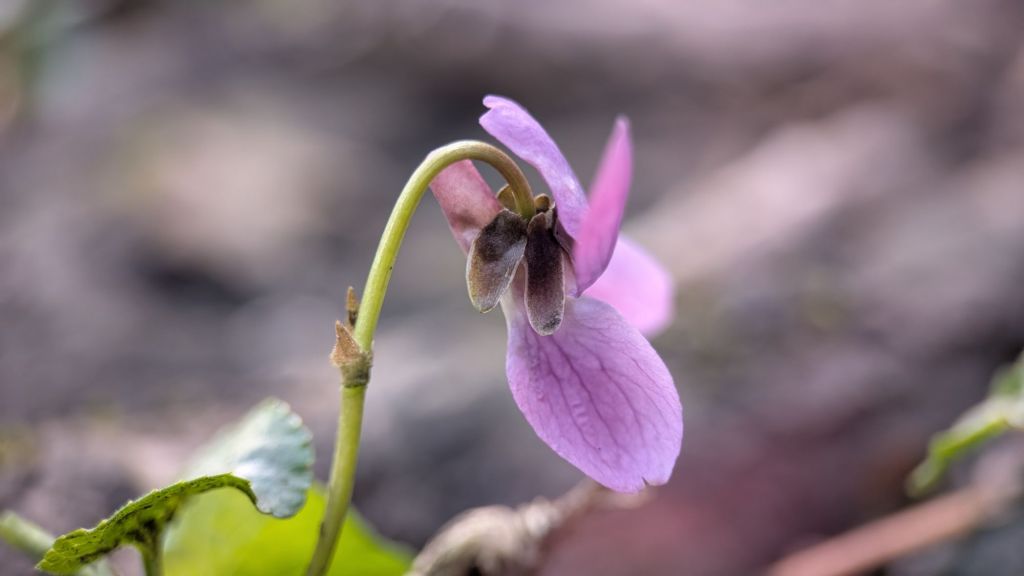
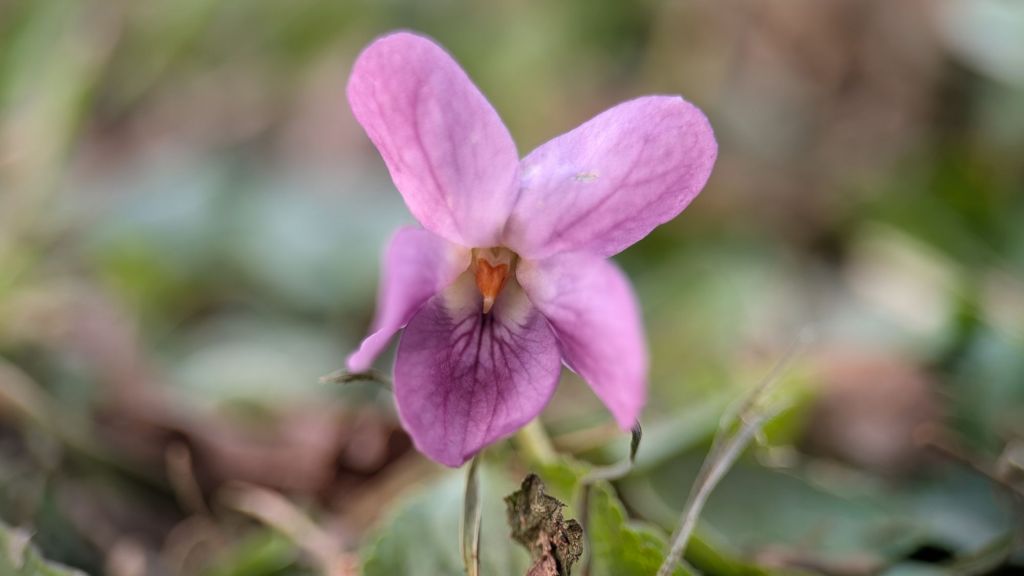
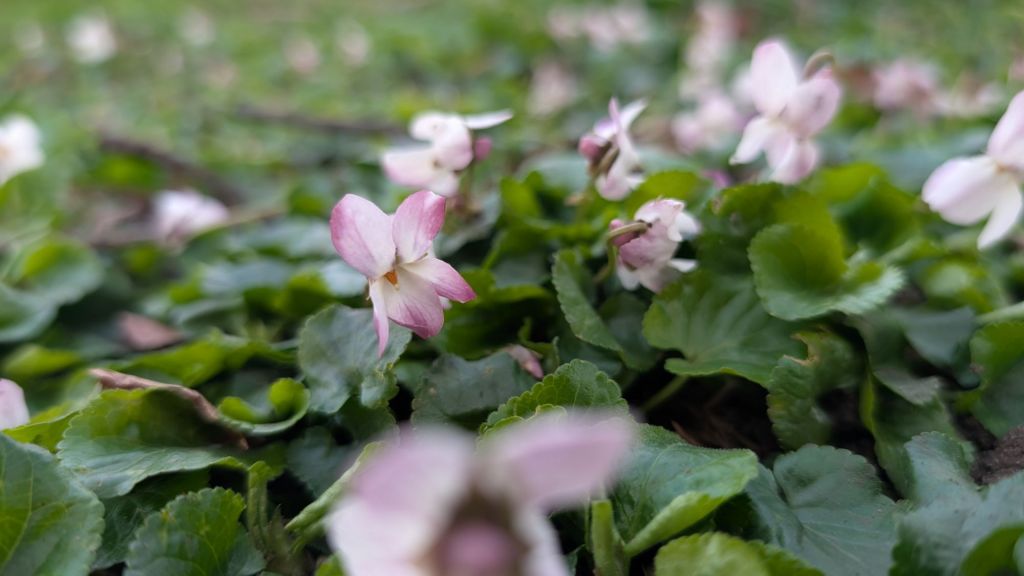
I’ve only come across one pink coloured Sweet Violet, and that was Viola odorata var. subcarnea. This variety is thought to be a pink form of var. imberbis. It has a pink corolla with a violet spur, and lacks the hairs on the lateral petals. Seen at the base of an old cherry, near the Tontine in Stourport-on-Severn.
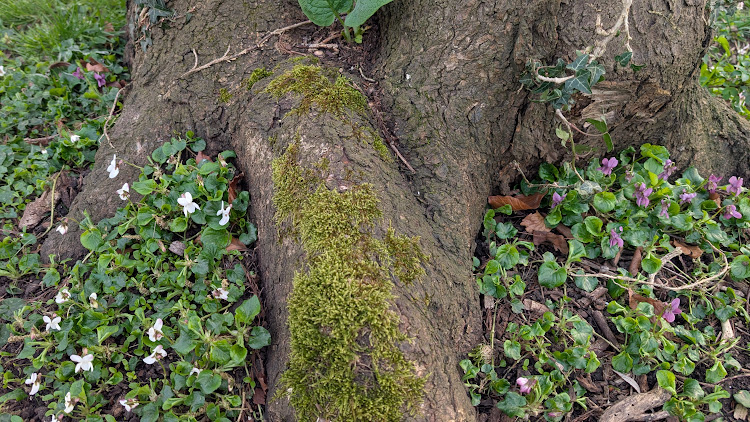
Where I found it, it was growing with var. imberbis at the base of a cherry tree, and some plants were intermediate in character, and showed a mixed colouration to the petals (below).
Violet Varieties
Viola odorata var. odorata
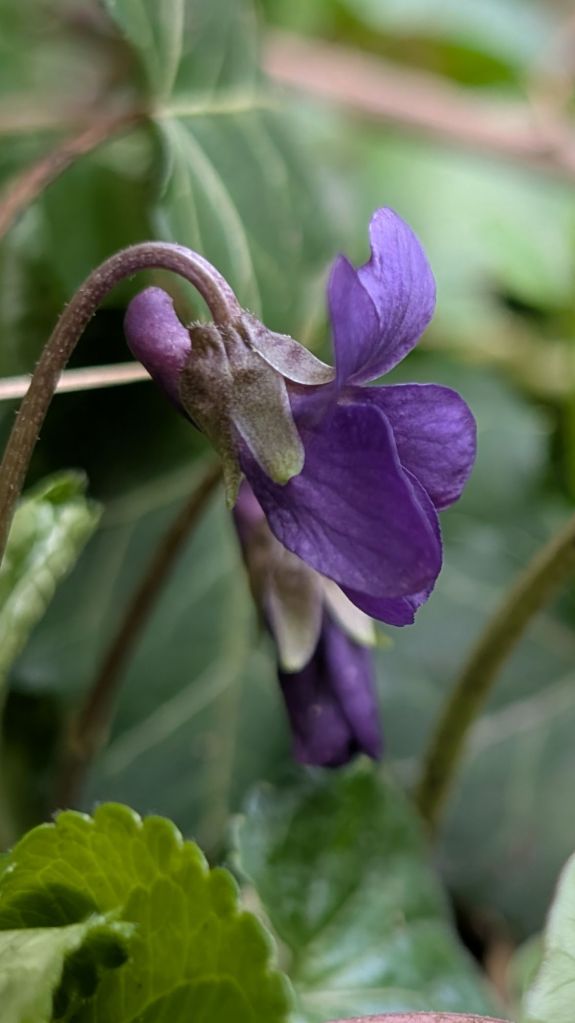
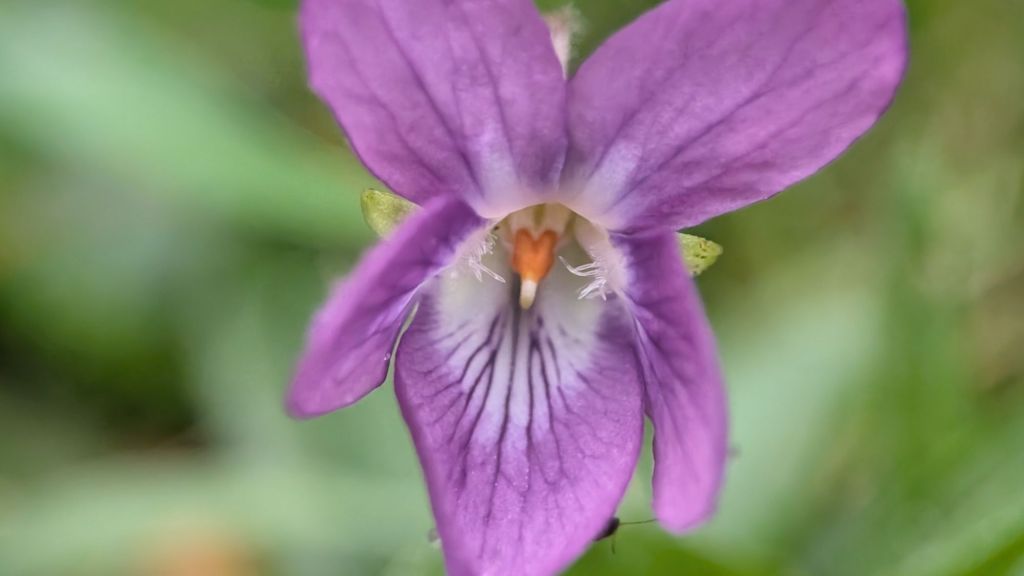
This is the typical violet-coloured Sweet Violet. Surprisingly, I seem to see this the least! Maybe I am not looking hard enough. Both the corolla and spur of this variety come in many shades of violet (as below), and it has tufts of hair on the lateral petals. Seen at St. Peter’s Church, Martley and Charlton Mill, Hartlebury.
Other violet coloured varieties
- var. praecox (flowers mostly closed)
Yellow Varieties
Viola odorata var. sulfurea
Unfortunately, I haven’t been able to find any of the yellow V. odorata var. sulfurea yet…
This variety has apricot-yellow corollas with a pink spur and usually has tufts of hairs on the lateral petals (Porter and Foley, 2017). If I find any after the publication of this post, I will return and update with the photos and location.
If you have seen any yellow or apricot forms of Sweet Violet, I would love to hear from you!
This post has been super fun to put together, checking out the different violets on my hands and knees, looking for tufts of hair, and getting excited over a species so ubiquitous has been a lovely way to start off the season. I hope this encourages you to go out and look more closely at your local violets, in churchyards, hedgerows, gardens and lanesides.
Happy Violet Hunting,
Tom
References
- Porter, M. and Foley, M. (2017) Violas of Britain and Ireland. Bristol: Botanical Society of Britain and Ireland.
- Stace, C.A. (2019) New Flora of the British Isles. 4th edn. Middlewood Green: C & M Floristics.


 Tom the Botanist
Leave a comment