Contents
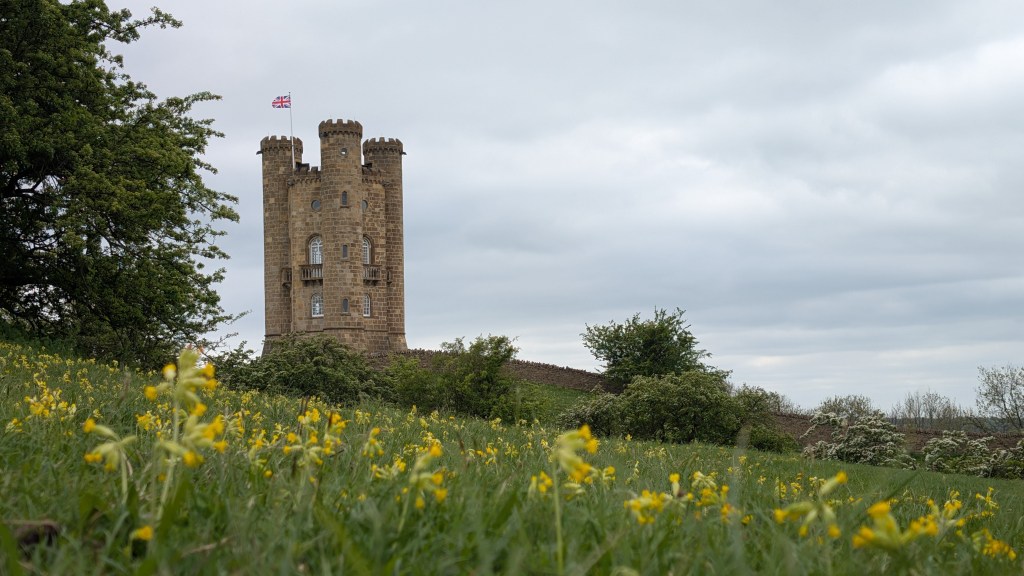
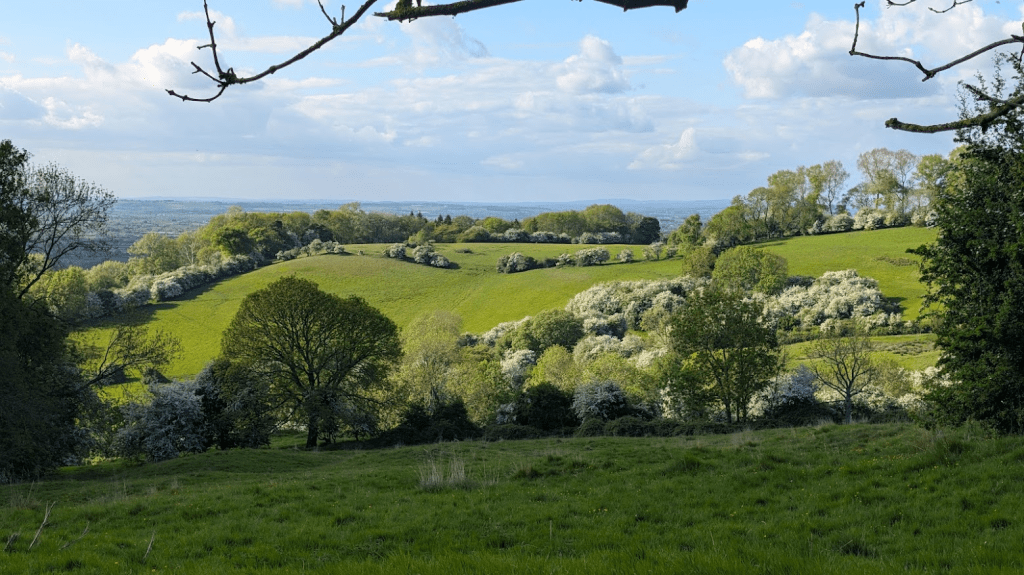
This week it’s more of a highlights reel, as I was away in Porto and I’m writing this well into week 20. So let’s see what we can do…The weather has been similar, fairly dry, warm, especially in week 19, and the countryside is looking superbly verdant. Grasses are now conspicuous and beginning to flower well.
28th – 4th May (18)
Sites
- Hopehouse Lane, Martley
- Clent Hills
- Teme Valley: Pouk Lane, St. Dunstan’s Lane
- Broadway: Fish Hill, Broadway Tower
- Stourport-on-Severn, town centre.
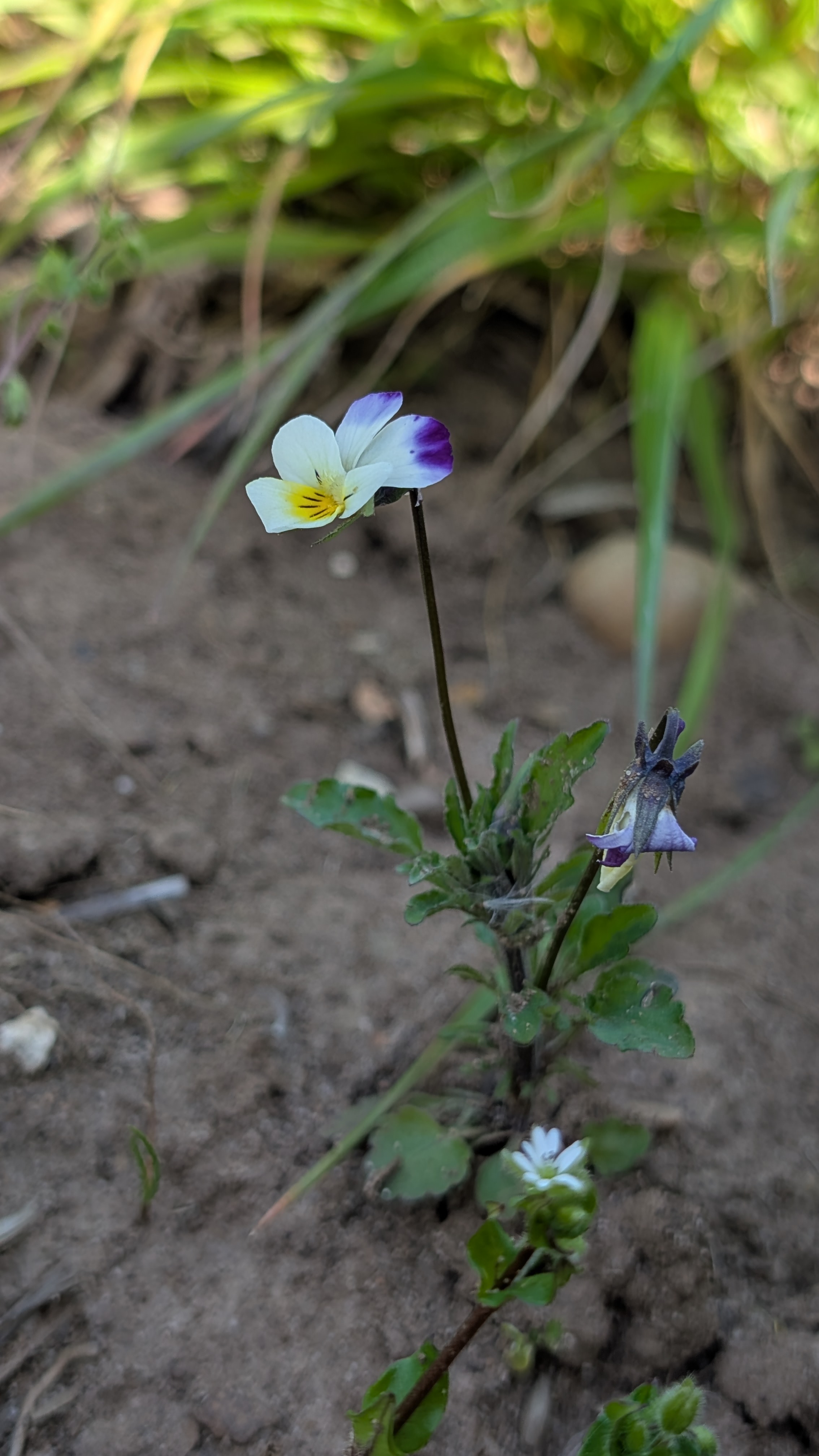
Featured Find: Viola Hybrid ?
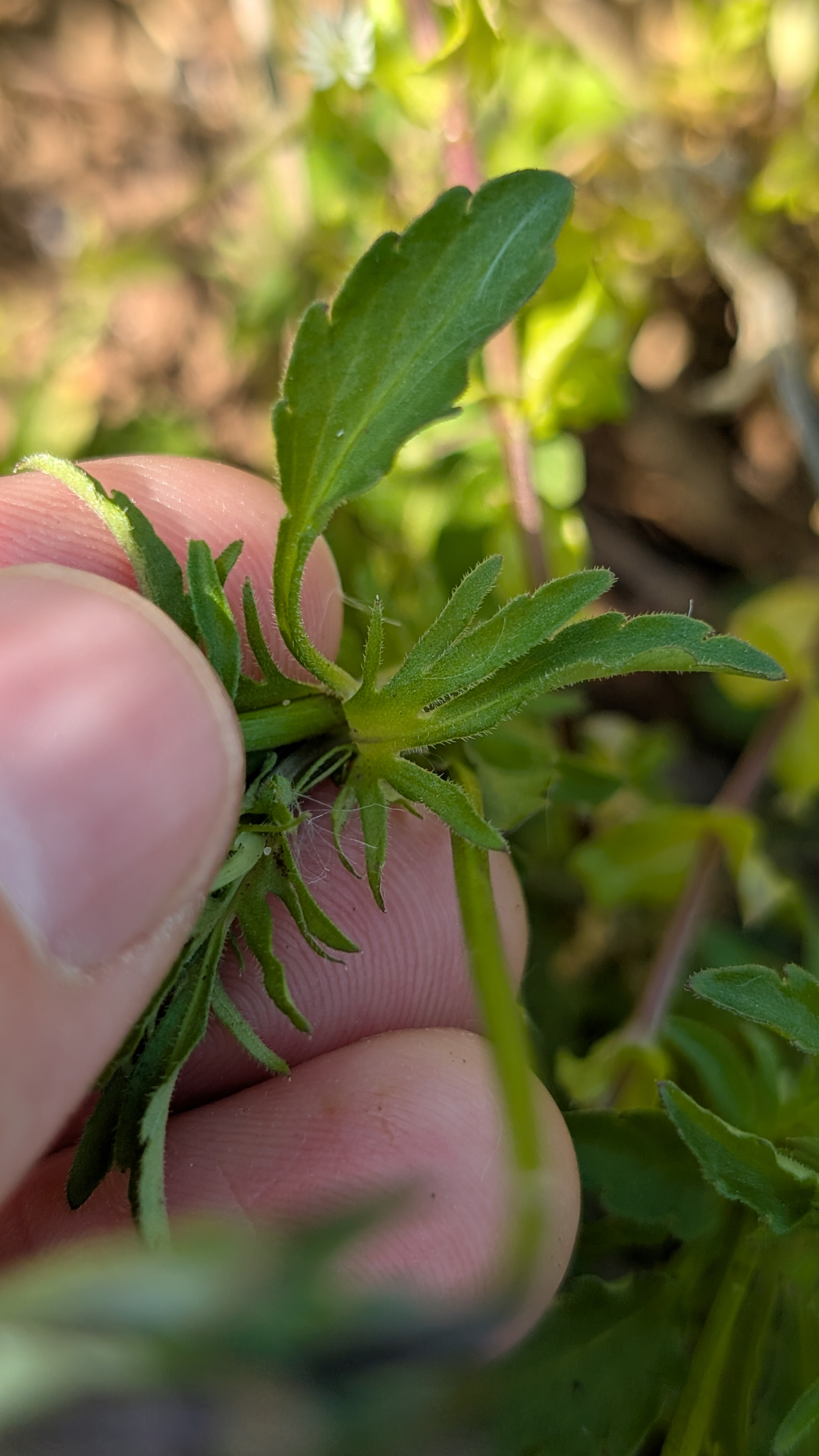
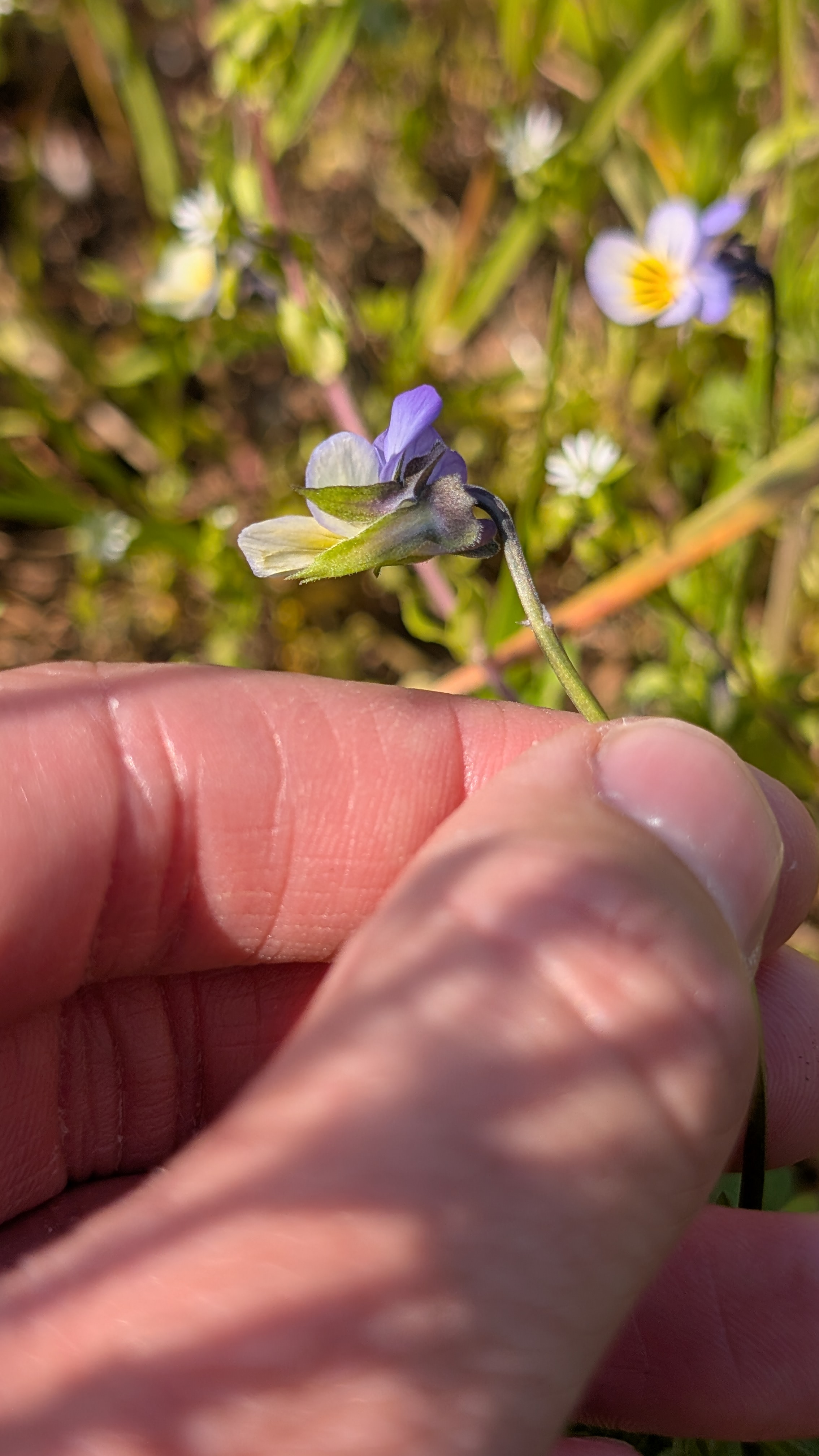
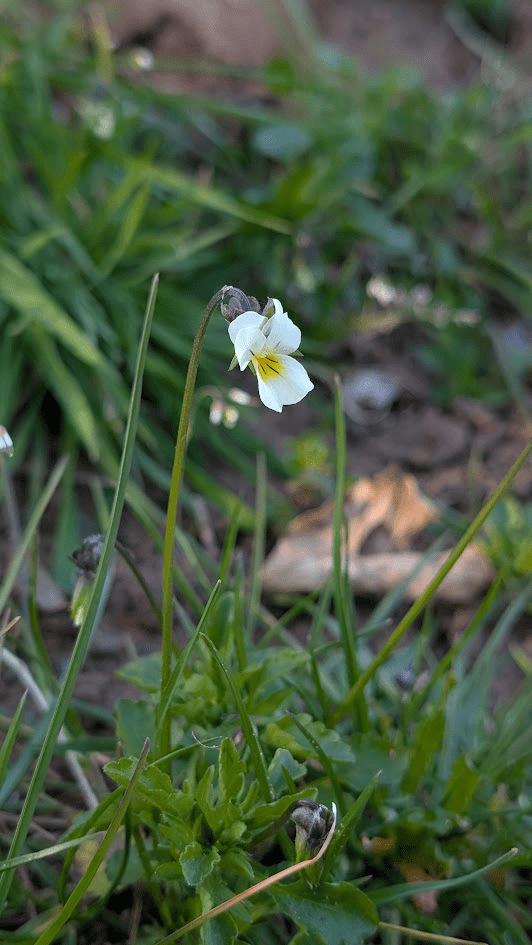
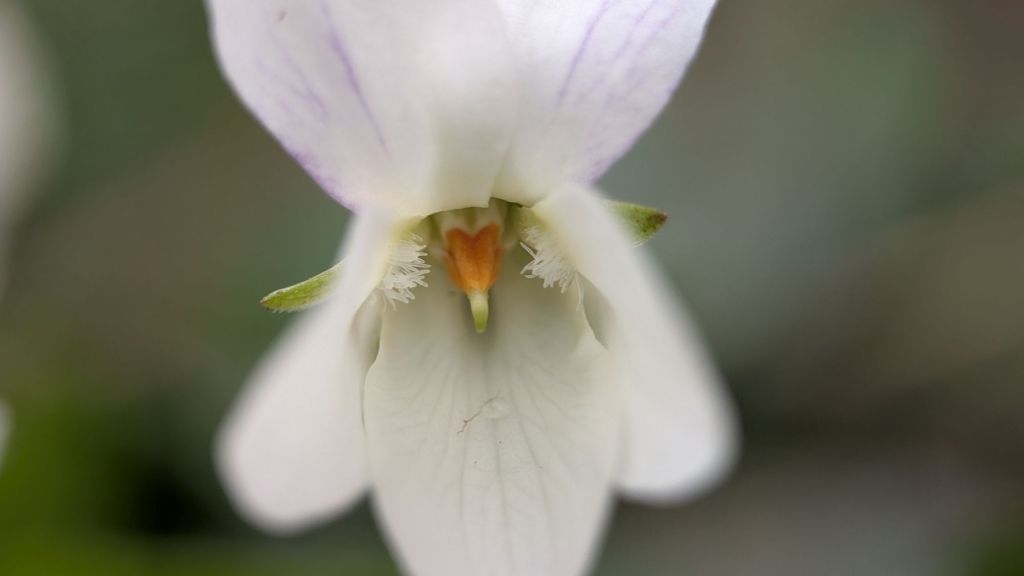
The other find that felt interesting, and is still a query was a violet growing in an arable field in Warwickshire at Elm’s Farm. Initially I thought it was Viola tricolor, but after consulting the BSBI violet handbook I’m considering Viola x contempta due to the colouration, the longer sepal length and blue-grey pedicel arch. I need to get this checked by the referee. I’ve provided a photo of ‘good’ Viola arvensis for reference below the three potential V x contempta photos.
A highly fertile hybrid, generally occurring with the parents, but occasionally in the absence of one or both. It is found on waste ground, tracksides and particularly the less disturbed margins of cultivated land (Porter & Foley, 2017). Lowland. A spontaneous hybrid (native × native). – BSBI Atlas
TO BE CONFIRMED
5th – 11 May (19)
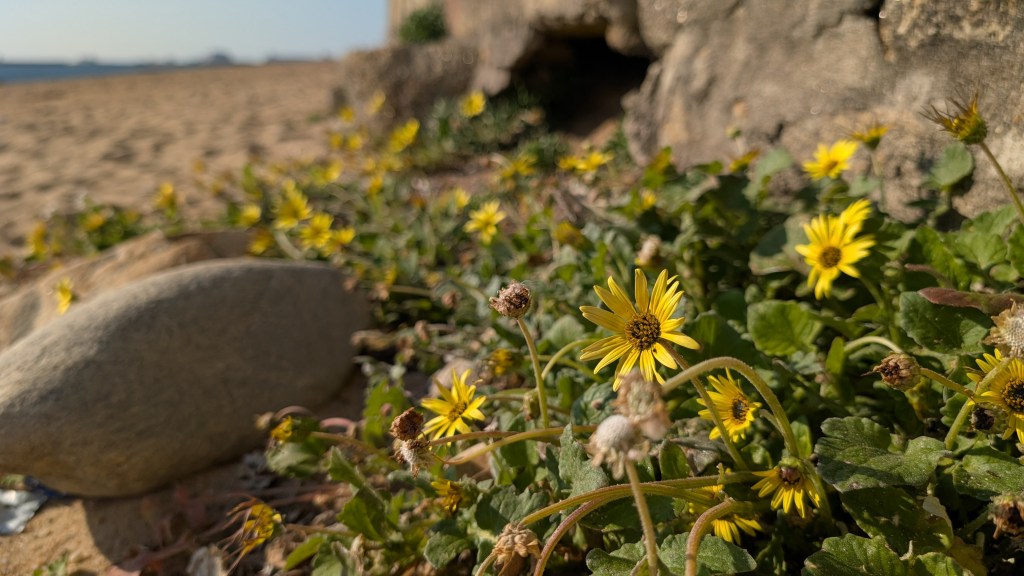
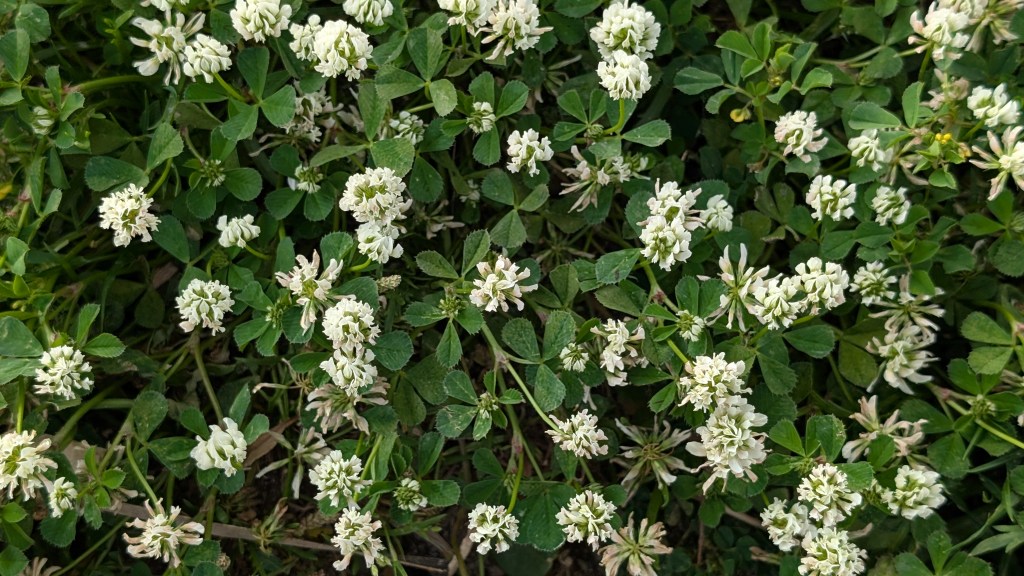
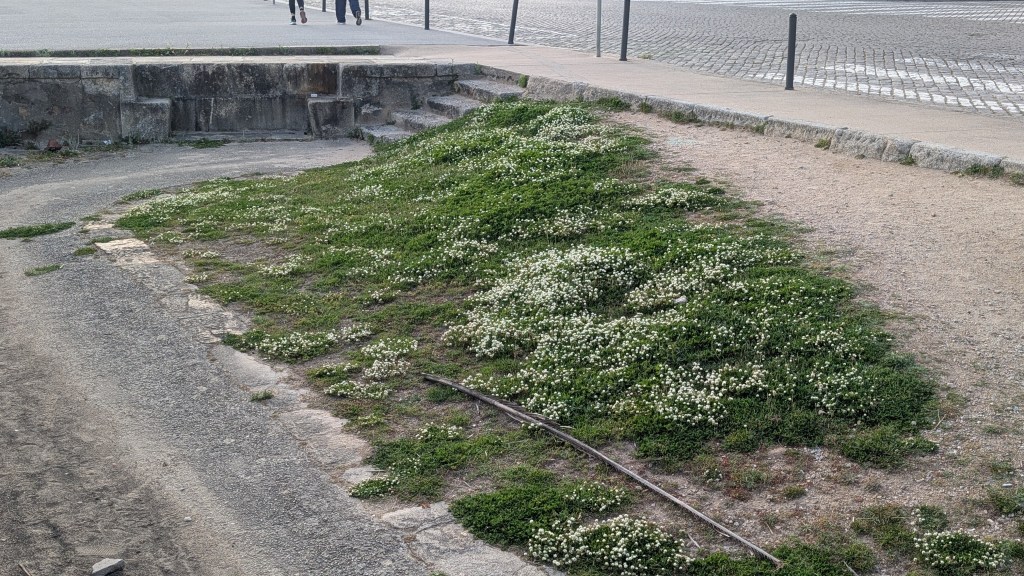
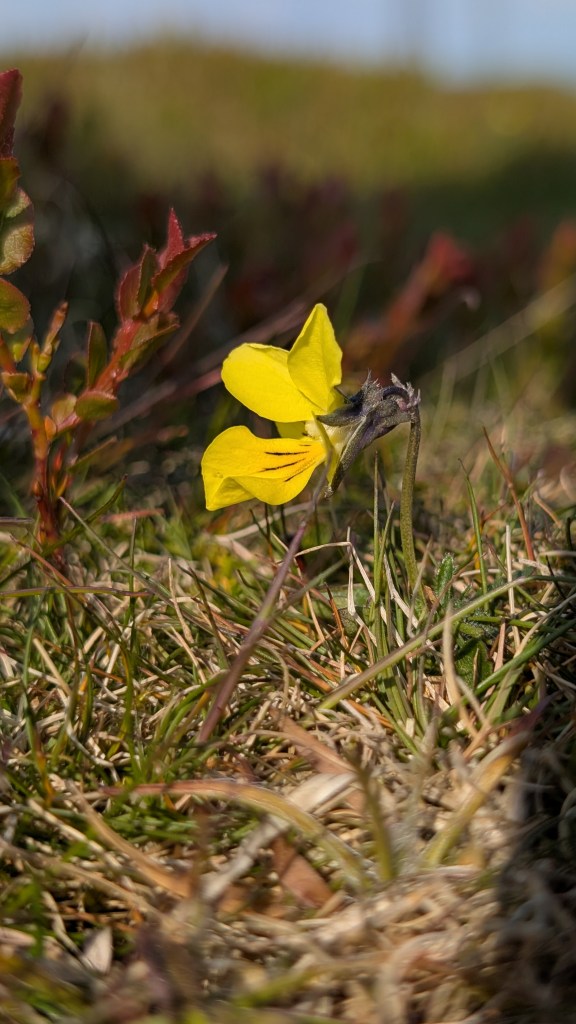
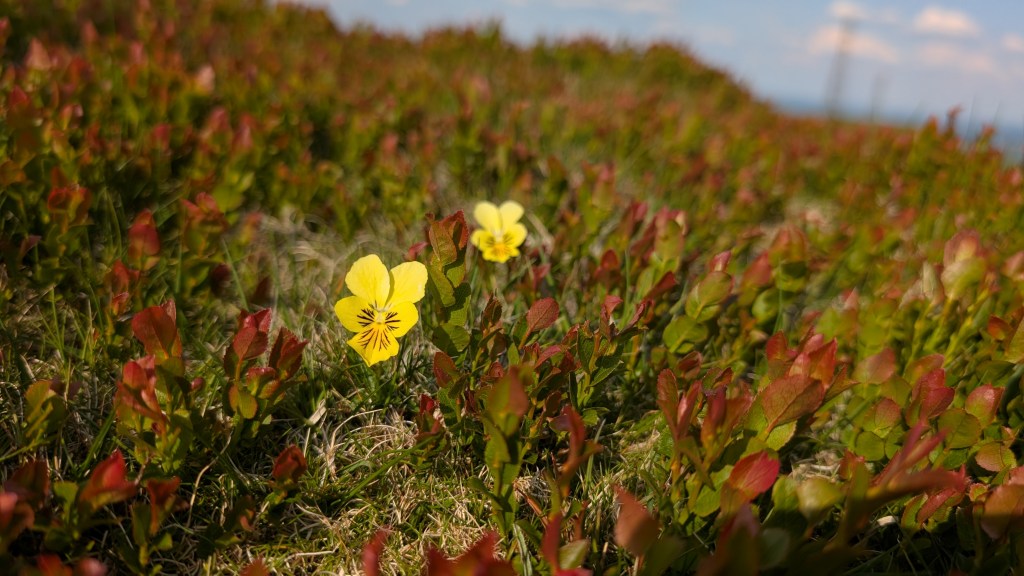
This week was mostly spent in Porto, Portugal. So I have included some finds from my holiday along with some more UK natives from Titterstone Clee Hill, including a new plant to me, Mountain Pansy Viola lutea.
Sites
- Porto: Foz do Douro, Crystal Palace Gardens
- Titterstone Clee Hill, Shropshire
Featured Find: Mountain Pansy
A perennial herb of extensively grazed, unimproved grassland on upland slopes and banks, and on rock ledges. Although often frequent in limestone districts, it prefers soils from which much of the calcium carbonate has been leached away but, nevertheless, avoids very acidic sites. It also grows on metalliferous soils around disused lead mines.. – BSBI Atlas
The Lists
Week 18
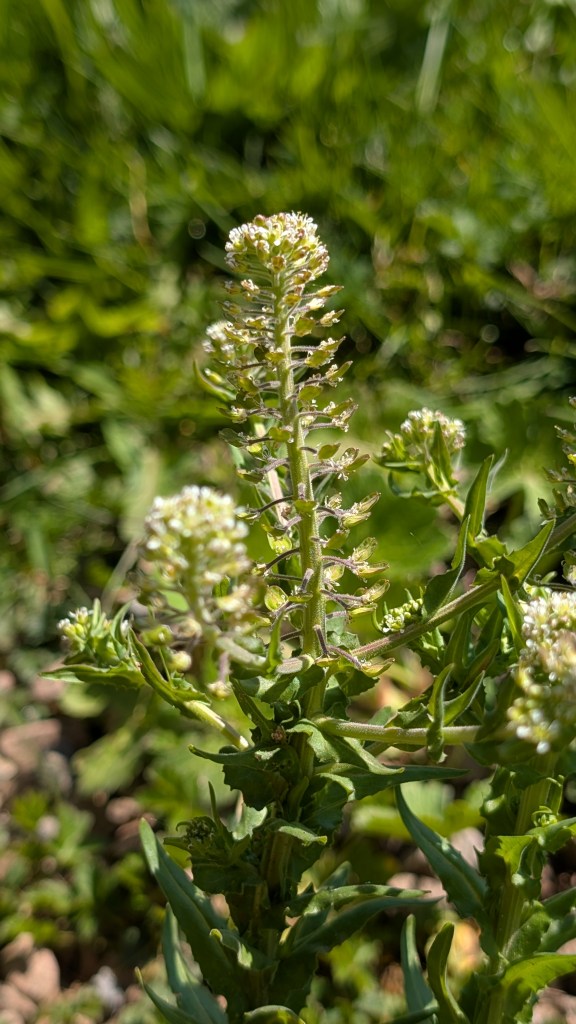
- Field Pepperwort (Lepidium sp. campestre?). Hopehouse Lane, Martley
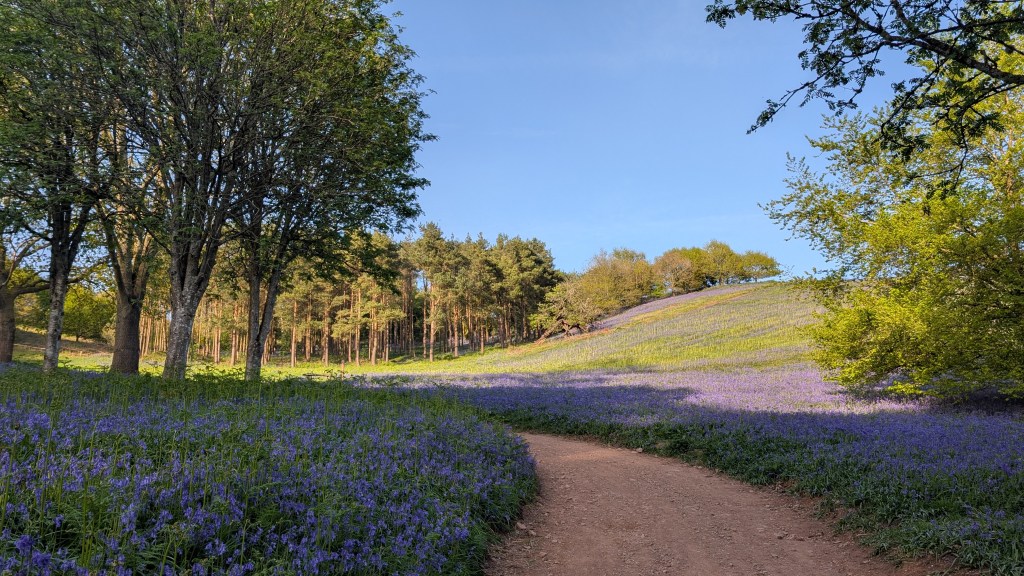
- Bluebells (Hyacinthoides non-scripta), Clent Hills
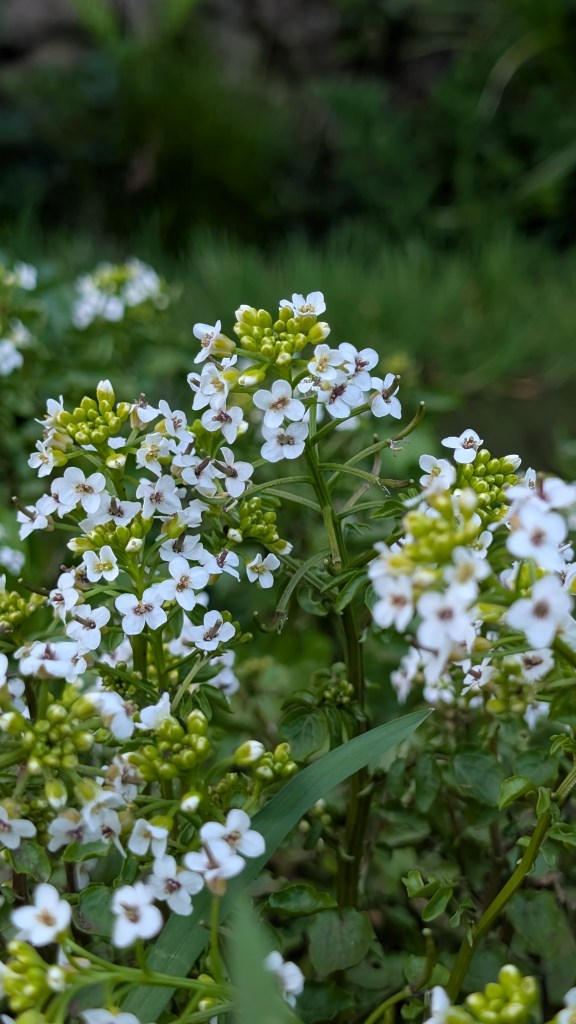
- Water-cress (Nasturtium officinale agg.), The Vine Inn, Clent
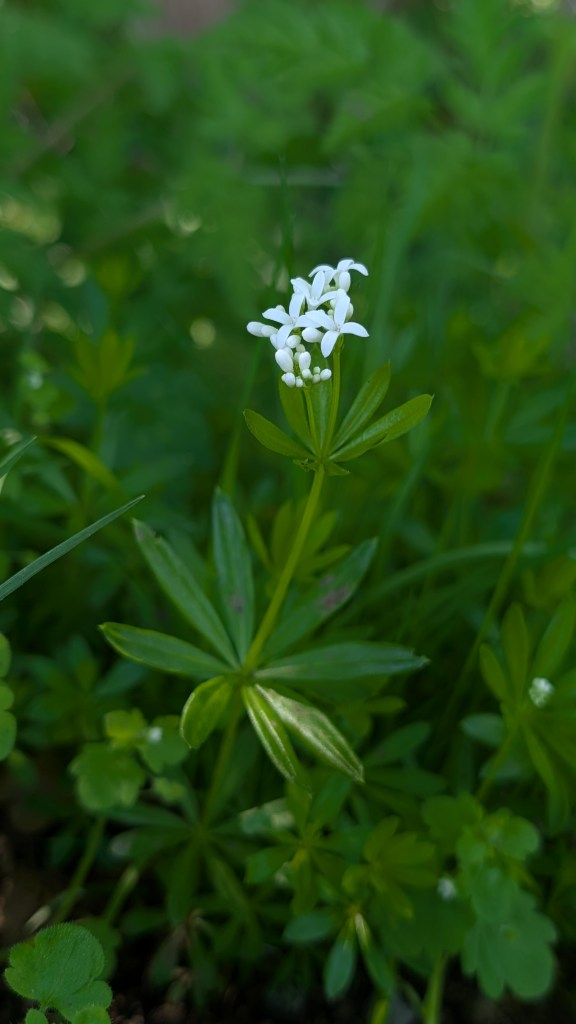
- Sweet woodruff (Galium odoratum). Pouk Lane, Teme Valley
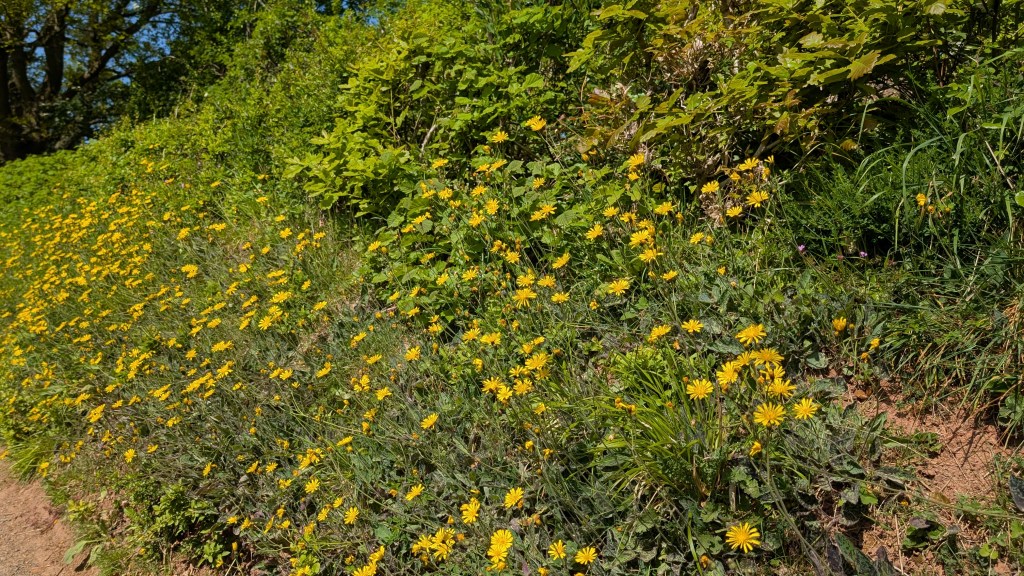
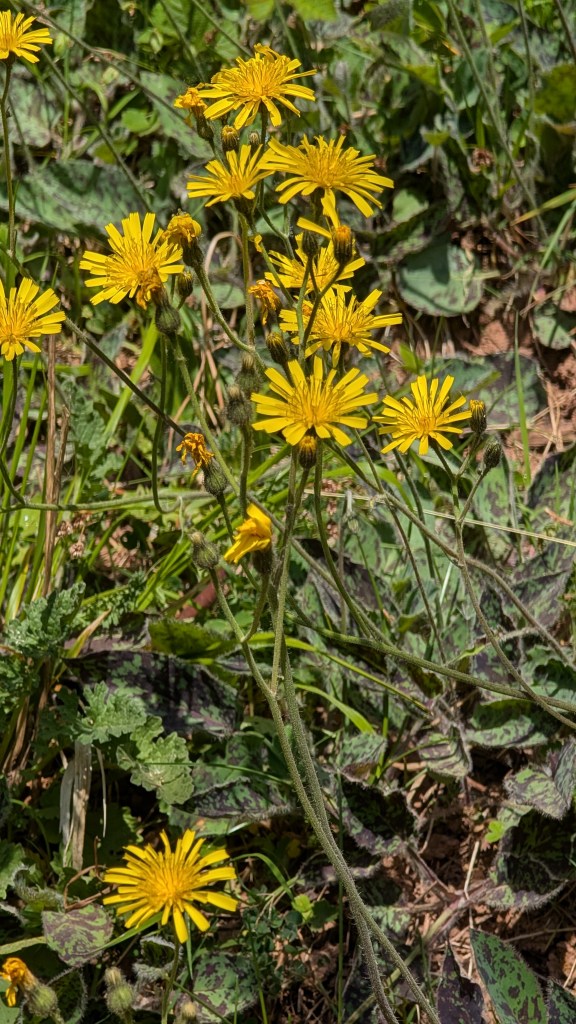
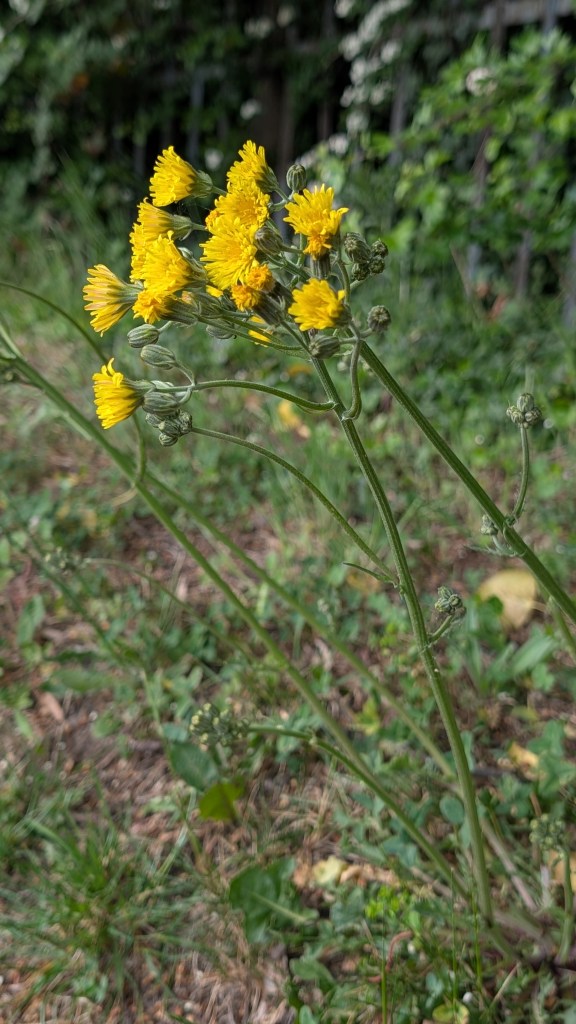
- Hieracium scotostictum. St Dunstan’s Lane
- Hieracium scotostictum. St Dunstan’s Lane
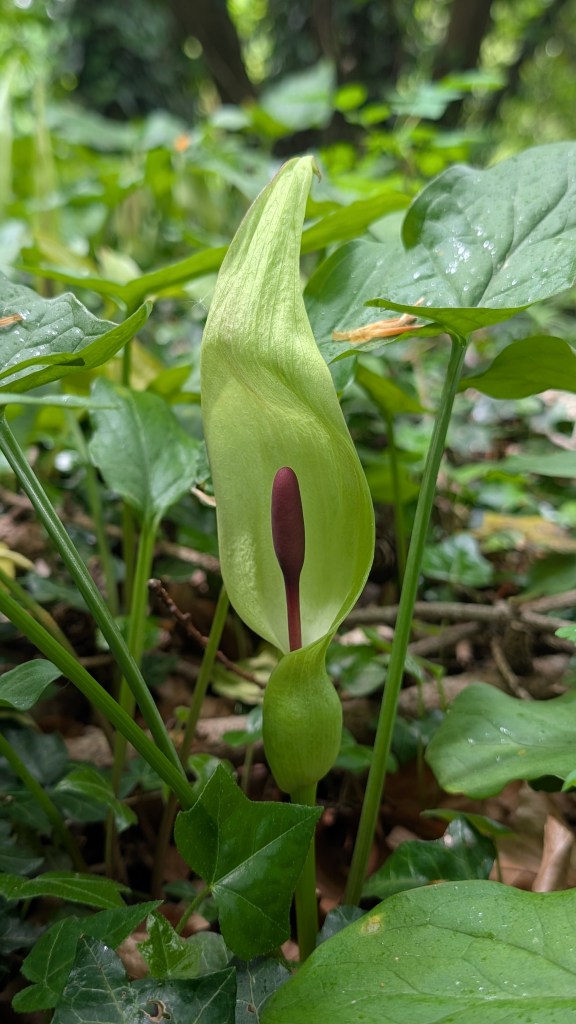
- Arum maculatum, Fish Hill
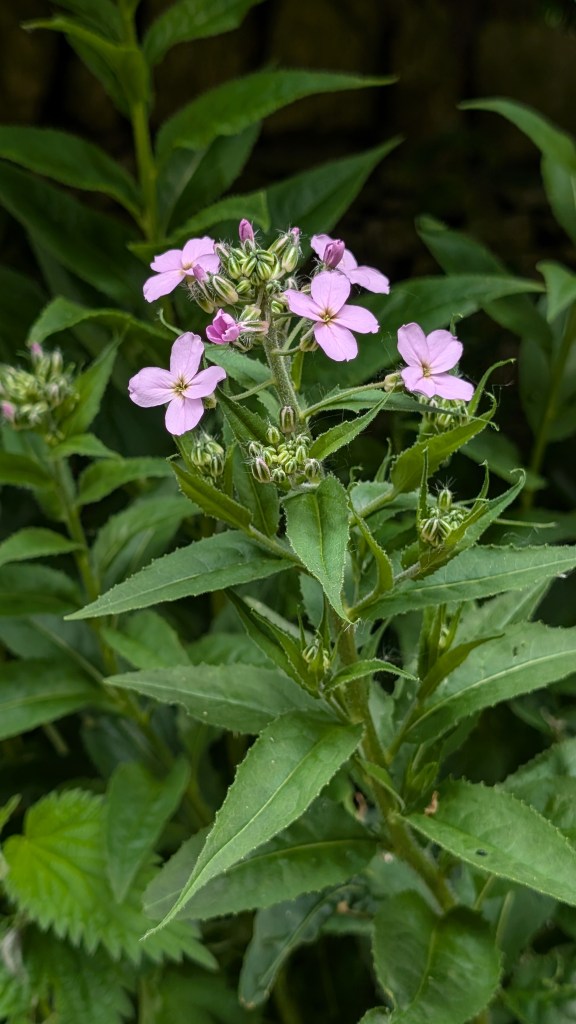
- Dame’s violet (Hesperis matronalis), Fish Hill
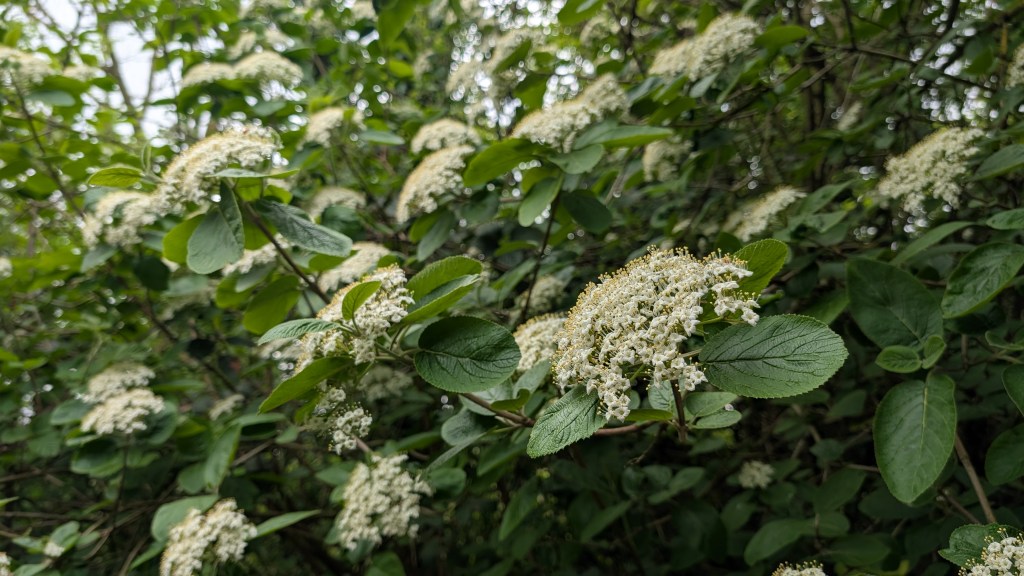
- Wayfaring Tree (Viburnum lantana). Fish Hill, Broadway
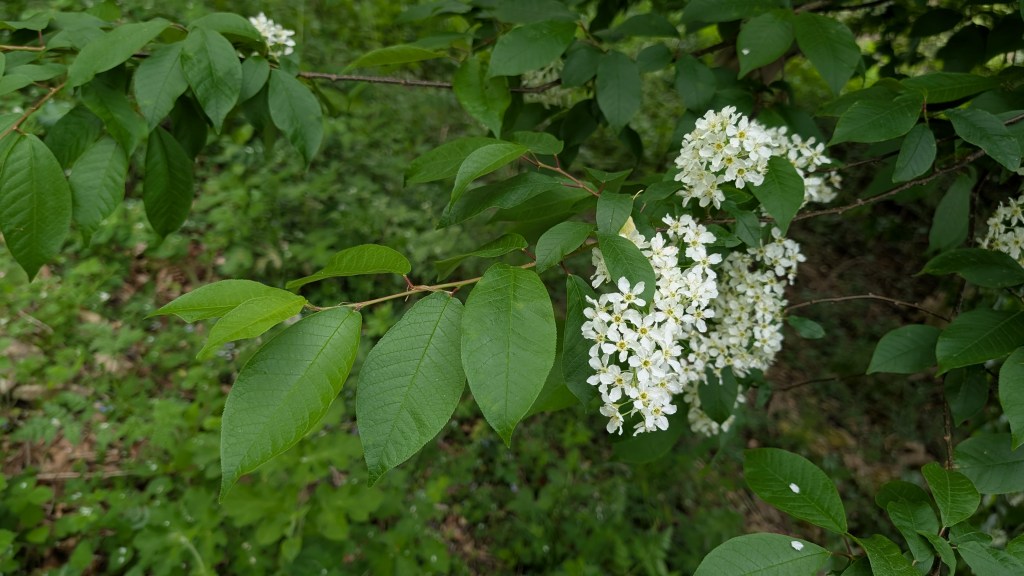
- Bird Cherry (Prunus padus). Fish Hill
- Cowslips galore. Broadway Tower
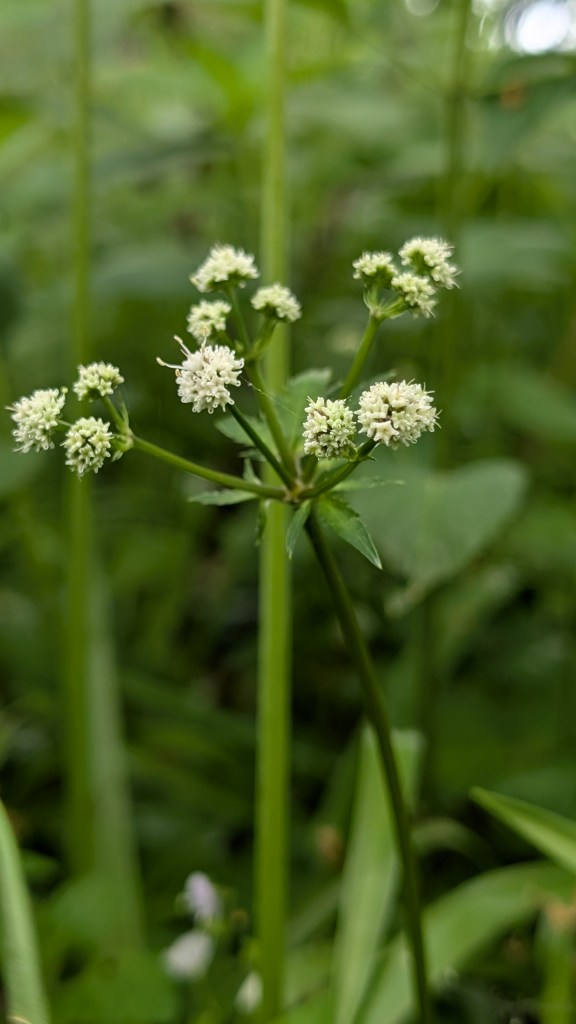
- Sanicle (Sanicula europaea). Fish Hill
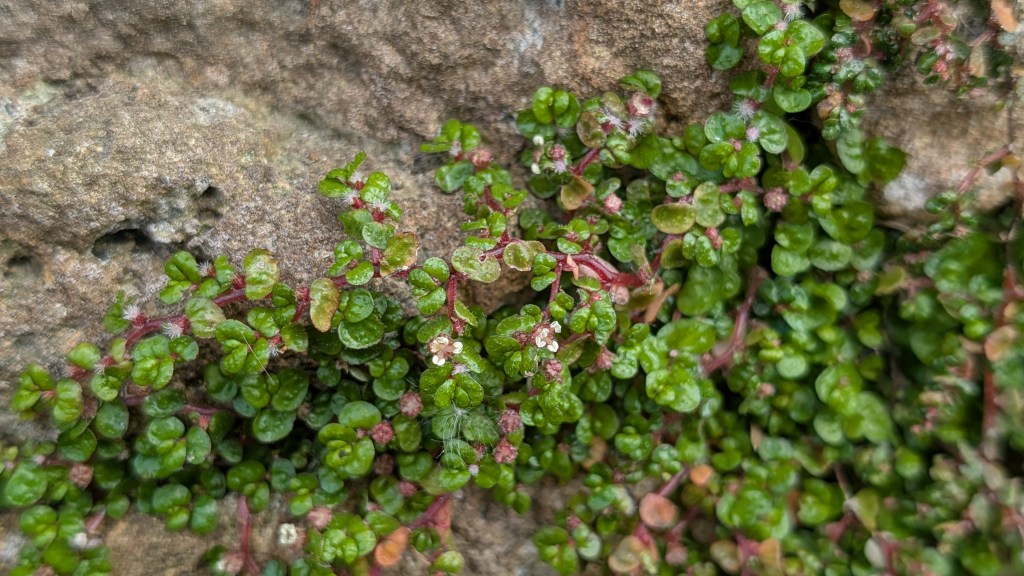
- Mind-your-own-business Soleirolia soleirolii, Broadway
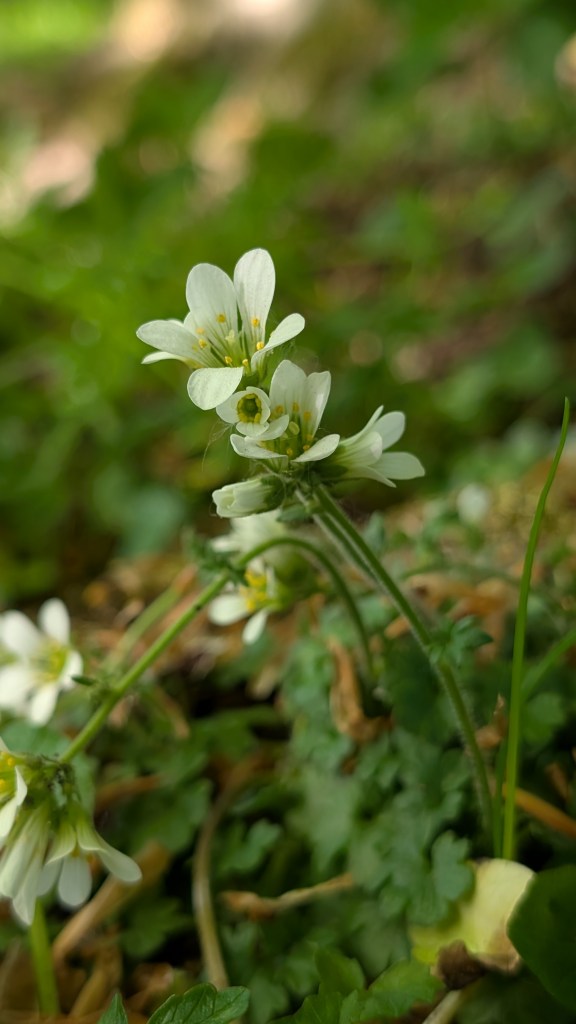
- Meadow Saxifrage (Saxifraga granulata). Fish Hill woodland
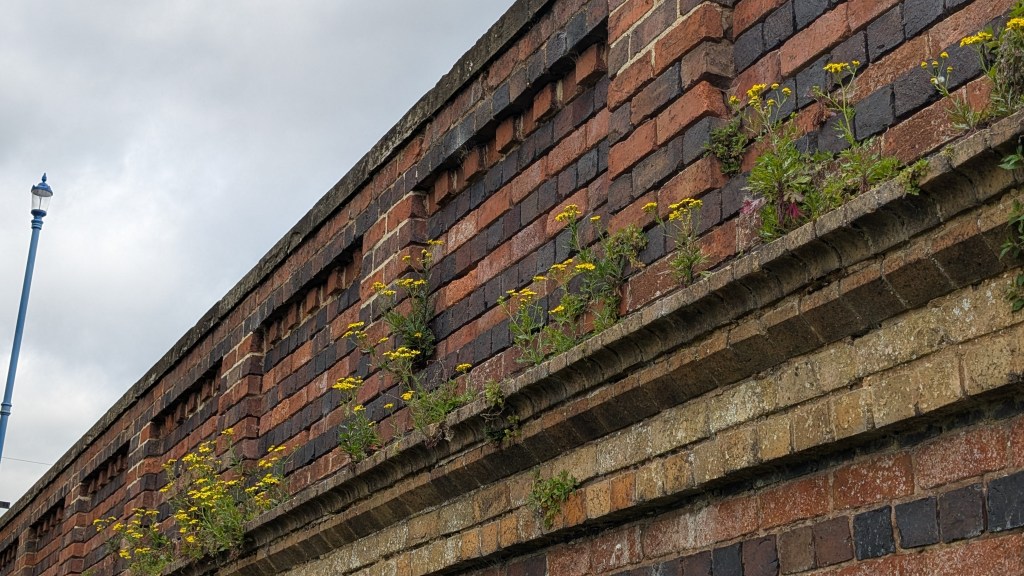
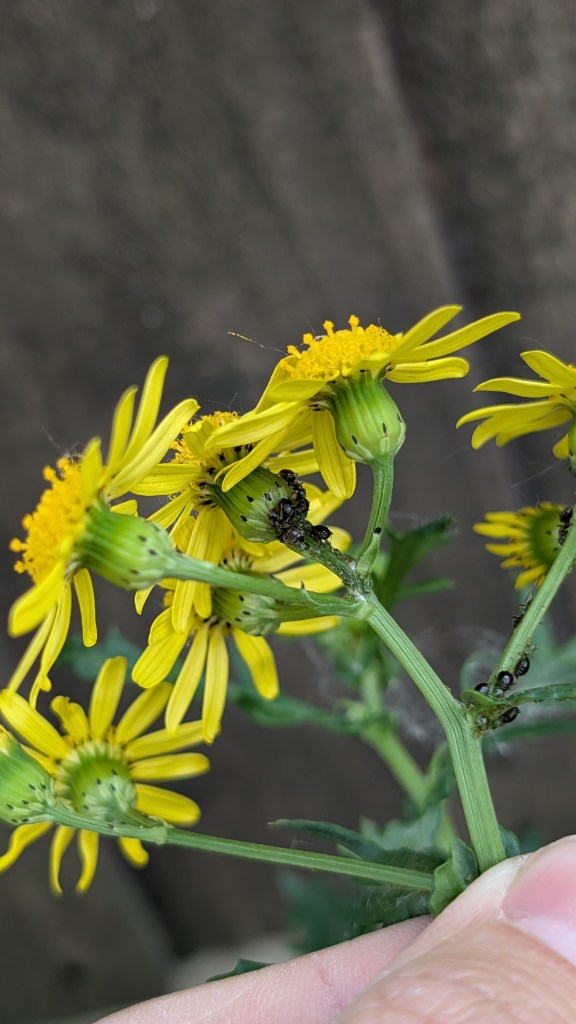
- Oxford Ragwort (Senecio squalidus). Stourport bridge
- Senecio squalidus — black-tipped phyllaries
- Beaked Hawk’s-beard (Crepis vesicaria). Stourport-on-Severn, B4193
Week 19
- Capeweed (Arctotheca calendula). Foz do Douro, Porto
- Trifolium nigrescens. Foz do Douro, Porto
- Trifolium nigrescens. Foz do Douro, Porto
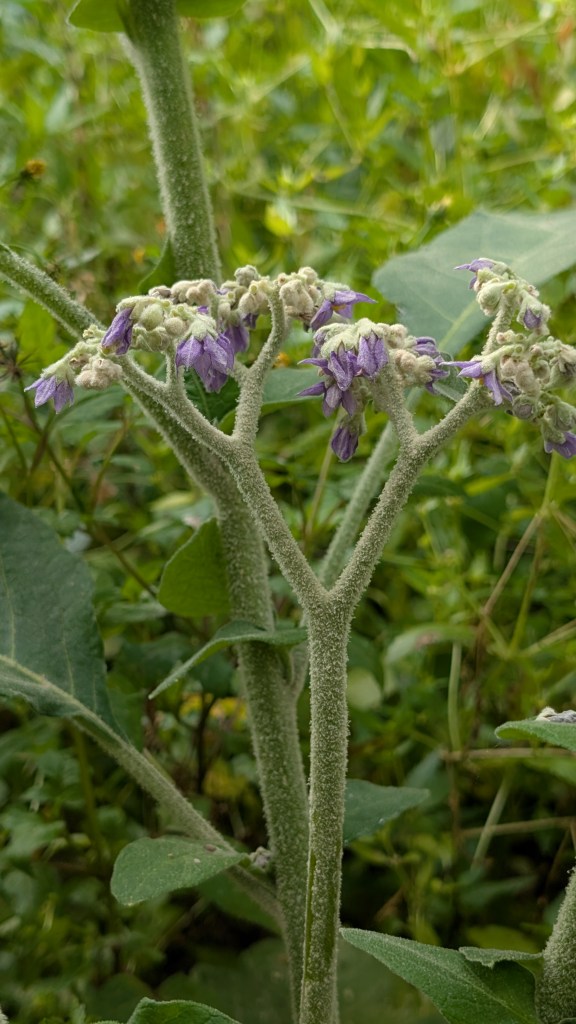
- Bugweed (Solanum mauritianum). Jardins do Palácio de Cristal
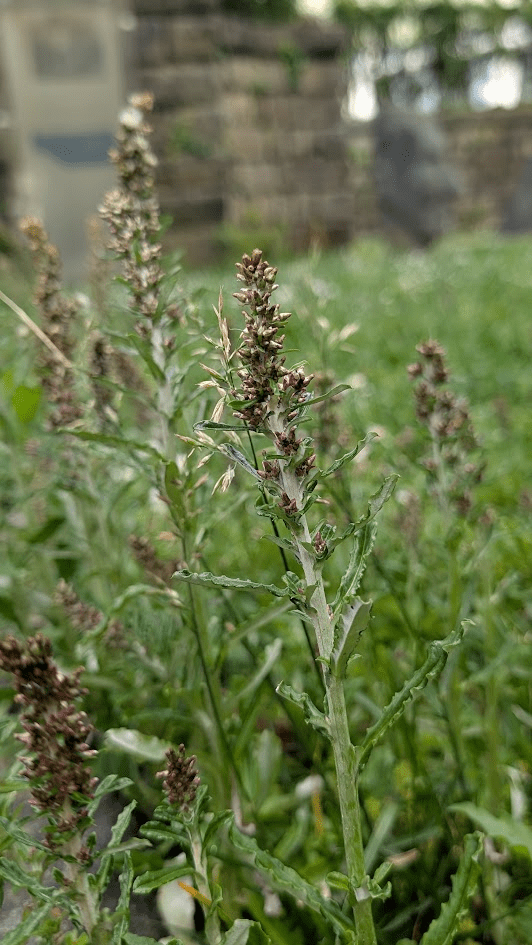
- Some kind of cudweed. Jardins do Palácio de Cristal
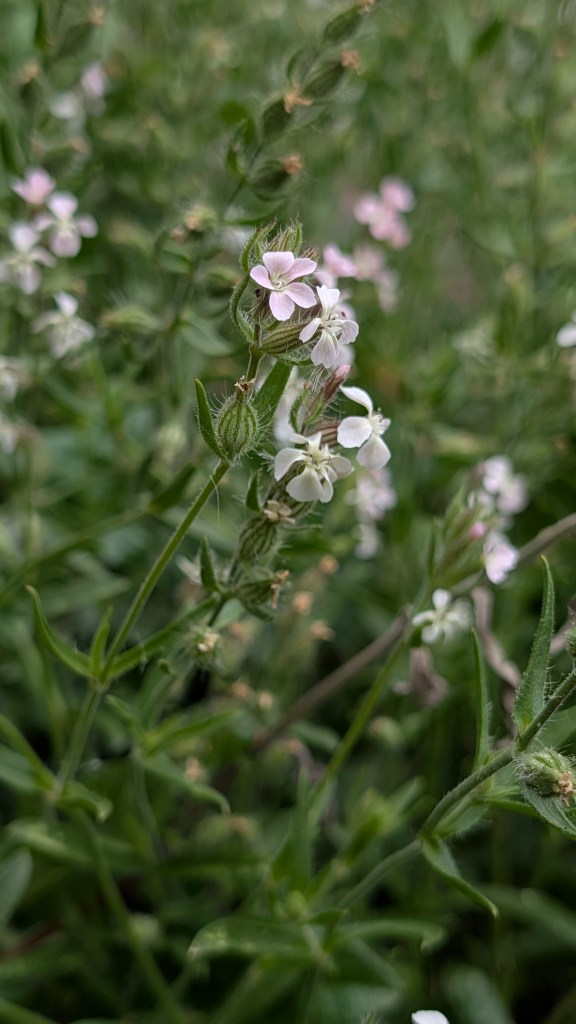
- Silene query (?) Jardins do Palácio de Cristal
- Mountain pansy (Viola lutea). Titterstone Clee Hill, Shropshire
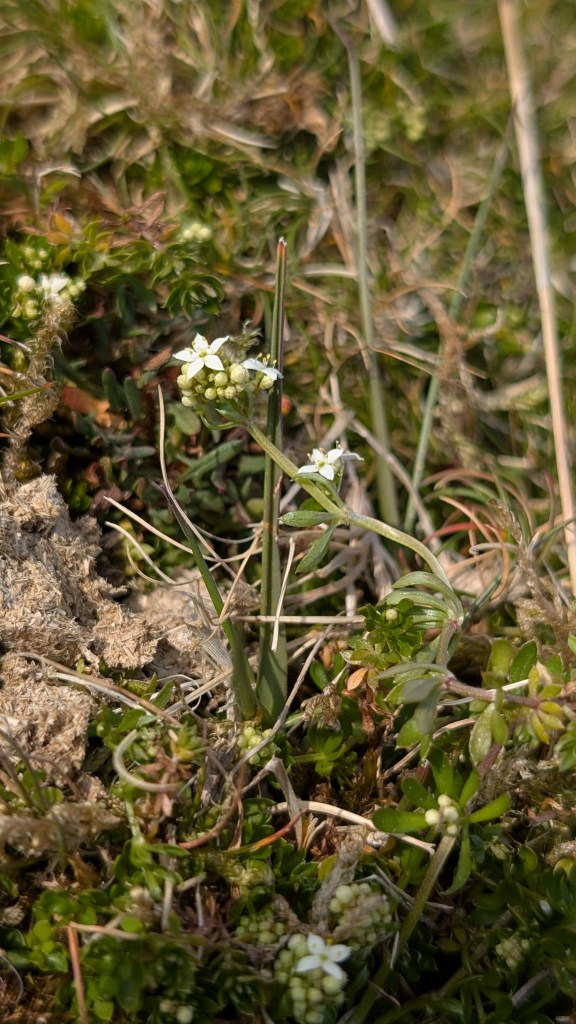
- Heath bedstraw (Galium saxatile). Titterstone Clee Hill, Shropshire
Queries
- What was the small, white-flowered plant in Broadway? Mind-your-own-business Soleirolia solerolii “An evergreen, procumbent, carpet-forming perennial herb, frequently escaping from gardens and greenhouses and found in lawns and on pavements, steps, damp paths, shaded banks, streamsides, sandstone outcrops, by drains, gutters, ditches, roadside walls, and in sheltered places in churchyards and cemeteries.”- BSBI Atlas
- Can a return visit to the Lepidium confirm that it is L. campstre – a Near Threatened species.
- The potential Viola x contempta would be a very exciting find if it can be confirmed.

 Tom the Botanist
Leave a comment